7 Best Sweater Stones For Pilling To Keep Knits Neat
Keep your knits looking pristine with our guide to the 7 best sweater stones. Discover top tools to effortlessly remove pilling and restore your favorite gear.
There is nothing more heartbreaking than pulling your favorite hand-knitted sweater from the drawer only to find it covered in unsightly fuzz. Pilling is an inevitable part of the fiber arts lifecycle, but it doesn’t have to mean the end of your garment’s lifespan. With the right maintenance tools, you can restore that freshly blocked look and keep your stitches looking crisp. Here are seven effective tools to help you manage pilling and preserve your hard work.
The Gleener Ultimate Fuzz Remover: Best Overall


The Gleener is a standout because it offers a modular approach to fabric care. Unlike static tools, it includes three different edges designed for varying fabric weights, from bulky fisherman sweaters to delicate fingering-weight lace.
This versatility is crucial because you don’t want to use the same abrasive intensity on a sturdy wool-blend coat as you would on a fine alpaca cardigan. By swapping the heads, you maintain better control over how much fiber you are actually removing.
The bottom line: It is the most comprehensive tool for a serious knitter’s kit. Keep it in your project bag to address pilling as soon as it appears, rather than waiting for it to become matted.
D-Fuzz-It Sweater Comb: Best for Travel Use
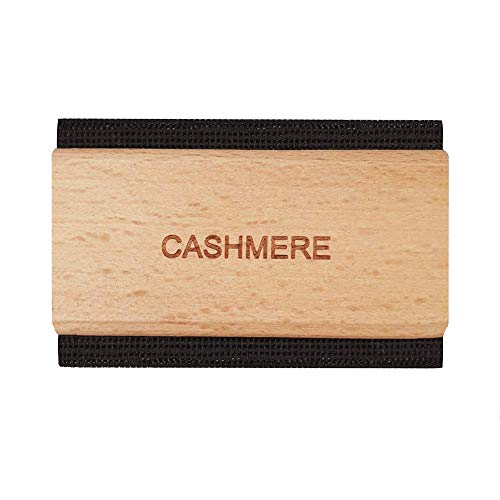
This tiny, unassuming comb is a staple for a reason. It fits easily into any notions pouch, making it the perfect companion for long knitting retreats or travel where you might be wearing your hand-knits daily.
Because it is small and manual, you have total tactile feedback while using it. You can feel exactly how much tension you are applying, which is vital when working on hand-spun yarns that might have uneven textures.
However, be aware that it requires a steady hand and patience. If you rush, you risk snagging a loose stitch, so take your time and work in small, gentle strokes.
Clothes Doctor Cedarwood Comb: Best Natural Tool

If you prefer to avoid plastic tools, this cedarwood comb is an elegant and effective alternative. The natural wood feels wonderful in the hand and adds a touch of ritual to your garment care routine.
The teeth are designed to gently catch pills without tearing the structural fibers of your yarn. This makes it an excellent choice for heirloom-quality garments made from luxury fibers like cashmere or fine merino.
While it is beautiful, cedarwood is softer than metal or hard plastic. Treat it with care to ensure the teeth don’t snap, and store it in a cool, dry place to prevent the wood from warping over time.
Conair Fabric Shaver: Best Electric Alternative

Sometimes, a sweater is so heavily pilled that a manual comb feels like an endless task. An electric fabric shaver uses rotary blades behind a mesh screen to safely trim away fuzz.
This is a massive time-saver for large-surface projects like blankets or oversized sweaters. The key is to keep the device moving in light, circular motions rather than pressing down hard, which can thin out the fabric.
Always test on a small, inconspicuous area first, especially if your yarn has a delicate halo or mohair content. You don’t want to accidentally shave off the beautiful fuzz that gives your project its soft, ethereal glow.
The Laundress Sweater Stone: Best Pumice Option
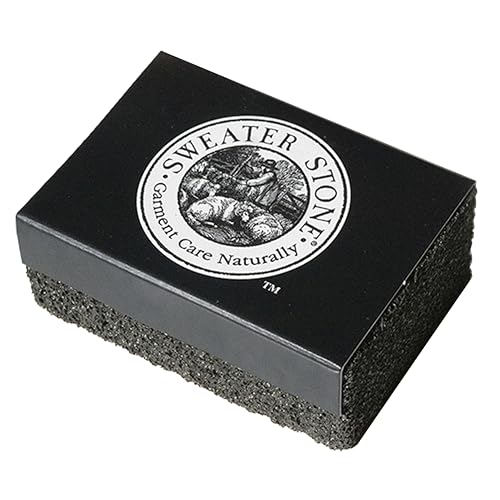
A sweater stone is essentially a block of natural pumice that acts like a gentle eraser for your knitwear. It is particularly effective on heavy-gauge wools that tend to pill after long periods of friction.
Because it is an abrasive stone, it works by "grabbing" the loose fibers and pulling them away from the fabric surface. It is incredibly satisfying to see the fuzz disappear in a few quick swipes.
Use this strictly on natural fibers like wool or alpaca. Synthetic fibers can sometimes melt or pill differently, and the stone can be too aggressive on delicate, tightly twisted yarns.
Ruri’s Fabric Shaver: Best for Delicate Knits

Not all fabric shavers are created equal, and some are far too aggressive for the fine-gauge work we spend months perfecting. This model is designed with a focus on precision and gentleness.
If you have spent weeks working on a fingering-weight sweater with intricate cable work, you need a tool that won’t catch on your stitches. The Ruri’s model offers a more refined mesh that keeps the blades away from the actual yarn structure.
It is a safer bet for those who are nervous about using electric tools on precious hand-knits. Even so, always maintain a light touch and avoid areas with complex texture or decorative buttons.
HiyaHiya Lint Shaver: Best for Small Projects
From the makers of your favorite knitting needles comes a lint shaver that understands the needs of a knitter. It is compact, portable, and designed to tackle the specific types of pilling common in hand-knit garments.
It is particularly useful for cleaning up the underside of sleeves or the sides of a sweater where friction from your arms causes the most wear. Because it is small, you can maneuver it around complex shaping with ease.
It is a fantastic "add-on" purchase for your next yarn shop visit. It bridges the gap between a full-sized electric shaver and a tiny manual comb, offering a great balance of power and precision.
How to Use a Sweater Stone Without Damaging Fiber
The golden rule of fabric care is to lay your garment completely flat on a hard, stable surface. Never try to de-pill a sweater while you are wearing it, as the lack of a firm backing makes it easy to snag or pull a stitch.
Start by working in one direction, using short, light strokes. You are trying to lift the pills, not scrub the fabric. If you find yourself having to press hard, stop immediately—you are likely using the wrong tool for that specific fiber.
Always remember that less is more. It is better to leave a tiny bit of fuzz than to over-process the fabric and create a thin, weak spot that could eventually become a hole.
Understanding Why Your Favorite Knits Start Pilling
Pilling is caused by friction, which causes short fiber ends to migrate to the surface and tangle together. This is most common in soft, high-twist yarns or fibers that haven’t been processed for long-staple strength.
Don’t be discouraged if your project pills; it is often a sign of high-quality, natural fiber. Superwash wools, for example, are often more prone to pilling because the scales have been removed to prevent felting, which also makes the fibers slicker.
Ultimately, pilling is a natural byproduct of wearing your clothes. If you choose yarns with a tighter twist or a multi-ply construction, you will find they pill significantly less than loose, single-ply roving yarns.
Essential Tips for Maintaining Your Woolen Garments
- Wash inside out: This reduces the friction against the outer surface of the garment during the wash cycle.
- Use a mesh bag: This protects delicate hand-knits from getting snagged on zippers or buttons of other garments in the machine.
- Rotate your knits: Give your favorite sweater a "rest day" to allow the fibers to recover their shape and elasticity.
- Store flat: Always fold your sweaters rather than hanging them to prevent the weight of the garment from stretching the shoulders.
By following these simple habits, you can extend the life of your knits by years. Remember that fiber arts are meant to be lived in, and a little maintenance is just part of the joy of owning handmade clothing.
Maintaining your hand-knits is a labor of love that honors the hours you spent with your needles. By choosing the right tool for your specific fiber and project, you can keep your favorite sweaters looking brand new for years to come. Don’t fear the fuzz; simply embrace these tools as part of your essential knitting toolkit. Your wardrobe—and your hard work—will thank you for the extra care.