7 Best Knitting Belt Accessories For Lever Knitting
Master lever knitting with our top 7 belt picks. This guide evaluates comfort, durability, and style to help you find the perfect support for your craft.
Lever knitting, often called cottage or belt knitting, is the secret weapon for knitters looking to increase their speed and reduce physical strain. By anchoring one needle into a sturdy belt, you transform your knitting motion into a fluid, ergonomic dance. This technique allows you to knit for hours without the typical hand fatigue associated with traditional continental or English styles. Finding the right knitting belt is the first step toward mastering this rhythmic and highly efficient craft.
The Original Hazel Tindall Style Knitting Belt


Hazel Tindall is a legend in the world of speed knitting, and her signature belt design reflects decades of practical experience. This belt is known for its minimalist, functional approach, prioritizing a secure hold for your needle without unnecessary bulk. It is designed to sit comfortably at the hip, allowing for a natural range of motion that doesn’t feel restrictive during long sessions.
The beauty of the Tindall style lies in its simplicity and the way it accommodates various needle lengths. If you are working on a large, heavy project like a wool-heavy blanket, the stability this belt provides is unparalleled. It prevents the needle from wobbling, which is essential for maintaining consistent tension across wide swaths of fabric.
However, because this design is quite streamlined, it requires a bit of practice to find your "sweet spot" for needle insertion. If you are new to lever knitting, you might find the initial setup slightly finicky. Once you calibrate the angle to your body, though, it becomes an extension of your own anatomy.
Schoolhouse Press Traditional Leather Belt

Schoolhouse Press has long been a champion of heritage knitting techniques, and their traditional leather belt is a testament to that commitment. Crafted from high-quality, durable leather, this belt is built to withstand years of daily use. It offers a firm, reliable anchor point that gives you the confidence to knit faster without worrying about needle slippage.
The leather will naturally soften and mold to your body over time, creating a custom fit that synthetic alternatives simply cannot replicate. This "breaking-in" period is a rite of passage for many lever knitters. It turns a piece of equipment into a personalized tool that tells the story of your knitting journey.
While the leather is robust, it can be slightly heavier than modern padded versions. If you have a sensitive waist or back, consider wearing it over a thicker layer of clothing to distribute the pressure more evenly. It is an investment piece, but one that will likely outlast your current stash of yarn.
Mary Galvin Custom Hand-Tooled Leather Belt
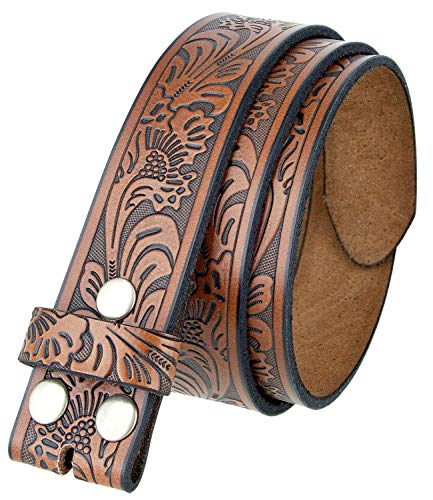
For those who view knitting as an art form, a custom hand-tooled belt from Mary Galvin offers both utility and aesthetic beauty. These belts are often functional works of art, featuring intricate designs that make them a joy to wear. Beyond the visual appeal, the craftsmanship ensures that the needle pad is perfectly positioned and reinforced.
A custom-fitted belt is a game-changer for ergonomics. When you order a piece made to your measurements, you eliminate the common issues of shifting or sagging that plague mass-produced belts. This stability is crucial when working with fine lace or slippery silk yarns where even a slight tremor can lead to dropped stitches.
Keep in mind that custom leatherwork comes at a premium price point and often involves a waiting period. If you are just experimenting with lever knitting, you might want to start with a standard model before committing to a bespoke piece. However, if you are a dedicated lever knitter, the comfort of a custom fit is worth every penny.
The Woolly Thistle Traditional Scottish Belt

The Woolly Thistle focuses on the authentic Scottish roots of lever knitting, providing tools that honor historical methods. Their traditional belt is designed for those who appreciate the rustic, no-nonsense approach of Shetland-style knitting. It is straightforward, reliable, and provides an excellent grip for your needle.
This belt is particularly well-suited for working with traditional wools, such as Shetland or Icelandic yarns. These fibers have a bit of "tooth" or grip, which pairs beautifully with the secure anchoring of this belt. If you are a fan of stranded colorwork, this setup will help you maintain the even tension required for those complex patterns.
Because it is a traditional design, it may feel a bit stiffer than modern padded belts. It is an excellent choice for the knitter who wants to connect with the heritage of the craft. It performs best when you have a dedicated space to knit where you can settle in for a long, productive session.
Purlescence Handcrafted Leather Knitting Belt
Purlescence offers a handcrafted approach that balances traditional leatherwork with modern ergonomic needs. Their belts are known for having a slightly softer, more pliable leather that feels comfortable against the body right out of the box. This makes them a fantastic entry point for knitters who are intimidated by the stiffness of older, traditional leather designs.
The padding on these belts is often more generous, which is a significant advantage if you tend to knit for several hours at a time. By cushioning the pressure point where the needle rests, you can avoid the bruising or discomfort that can occur with thinner, harder materials. It is a thoughtful design choice that prioritizes the knitter’s physical well-being.
When selecting this type of belt, pay close attention to the size of the needle hole. You want a snug fit that prevents the needle from wobbling, but you don’t want it so tight that you struggle to insert the needle. A little bit of experimentation with different needle materials—wood vs. metal—will help you find the perfect balance.
Etsy Artisan Custom Fit Knitting Waist Belt
Etsy is a treasure trove for finding independent artisans who specialize in unique, ergonomic knitting belts. Many of these makers use innovative materials, such as felted wool or reinforced webbing, which offer a different sensation than traditional leather. These belts are often highly adjustable, making them ideal for knitters who want a versatile tool.
The advantage of buying from an artisan is the ability to communicate your specific needs directly. If you have a specific way you hold your needles or if you prefer a belt that sits higher or lower on your waist, you can often request those modifications. This level of customization is rarely available from large-scale retailers.
Always check the reviews and look for photos of the needle pad construction. You want to ensure that the material is dense enough to hold the needle securely without it sliding through or tearing over time. It is a great way to support small businesses while finding a tool that fits your unique knitting style.
Heritage Crafts Traditional Lever Knitting Belt
Heritage Crafts provides a sturdy, utilitarian belt that feels like it belongs in a professional studio. These belts are designed for heavy-duty use, making them perfect for knitters who tackle large-scale projects like sweaters or blankets. The construction is focused on durability and maintaining a consistent angle for your needle.
If you are a knitter who switches between different needle sizes frequently, look for a belt with a versatile pad. Some of these models feature interchangeable or multi-sized holes, which can be incredibly convenient. It saves you from having to buy multiple belts if you oscillate between lace-weight shawls and chunky-weight pullovers.

The bottom line with Heritage Crafts is reliability. These are workhorse tools designed to get the job done efficiently. While they may lack the decorative flair of custom-tooled leather, they make up for it with sheer performance and long-term consistency.
Understanding Tension Control in Lever Knitting
Tension in lever knitting is managed differently than in other styles because the belt takes the weight of the project. Instead of your hands holding the needle up, the belt acts as a fulcrum. This allows your hands to focus entirely on the movement of the yarn, leading to a more consistent stitch size.
If you find that your stitches are too tight when you first start, it is likely because you are still subconsciously trying to "hold" the needle. You must trust the belt to do the work. Let the needle rest firmly in the pad, and focus your energy on the flicking motion of your fingers.
- Slick needles: Use these for faster speeds, but be careful of dropped stitches.
- Grippy needles: Ideal for beginners to maintain control and prevent slippage.
- Fiber choice: Wool is forgiving; silk and cotton require more precise tension control.
Ultimately, your tension will naturally even out as you build muscle memory. Don’t worry if your first few rows look uneven; this is a normal part of the learning curve. Keep your movements small and rhythmic, and the tension will follow.
How to Properly Fit Your First Knitting Belt
A well-fitted knitting belt should sit snugly around your waist, usually just above the hip bone. It should be tight enough that it doesn’t rotate as you knit, but loose enough that you can breathe comfortably. If it’s too low, you’ll be reaching too far; too high, and your shoulders will hunch.
When fitting the belt, sit in your favorite knitting chair to ensure the position is natural. The needle should be at a height where your forearm is roughly parallel to the floor. If you have to lift your arm to knit, the belt is too high; if you have to stoop, it is too low.
Don’t be afraid to adjust the belt throughout the day. As you settle into a project, your posture may shift, and a quick adjustment of the strap can prevent back pain. A good belt is a dynamic tool, not a static one, so treat it with the same care you would your needles.
Essential Tips for Faster Lever Knitting Speed
Speed in lever knitting comes from efficiency of movement, not from rushing. The goal is to move your hands the shortest distance possible to complete each stitch. Keep your fingertips close to the needle tips, and use a flicking motion rather than a wide, sweeping arm movement.
Another key to speed is the angle of your needle. By keeping the needle tip aimed slightly toward your work, you reduce the amount of time it takes to catch the yarn. This subtle adjustment can shave seconds off every row, which adds up significantly over the course of a large project.
- Minimize hand movement: Keep your fingers close to the action.
- Rhythmic breathing: Sync your knitting with your breath to maintain a steady pace.
- Needle choice: Use smooth, tapered needles to help the stitches glide off the tip.
Remember that speed is a byproduct of comfort and accuracy. If you are struggling to keep up, slow down and focus on the fluidity of your motion. Once the movement becomes automatic, the speed will naturally increase without you having to force it.
Lever knitting is a transformative skill that rewards patience with incredible efficiency and physical ease. By choosing a belt that suits your body and your knitting style, you open the door to a more sustainable and enjoyable practice. Take the time to experiment with these options, find your rhythm, and let the belt carry the weight while you enjoy the process. Happy knitting, and may your stitches always be even and your pace steady.