6 Best Cotton Muslin Cloths For Steam Pressing
Discover the top 6 cotton muslin cloths for steam pressing. Learn how these heat-resistant, breathable fabrics protect delicate garments during ironing.
Achieving a professional finish on your hand-knits often comes down to the final steam blocking process. A high-quality cotton muslin cloth acts as a vital barrier, protecting delicate fibers from the direct heat of your iron. Without this layer, you risk scorching your beautiful work or flattening the natural loft of your yarn. Choosing the right cloth is the difference between a pristine, ready-to-wear garment and one that looks overworked.
The Laundress Pressing Cloth: Best Overall Choice
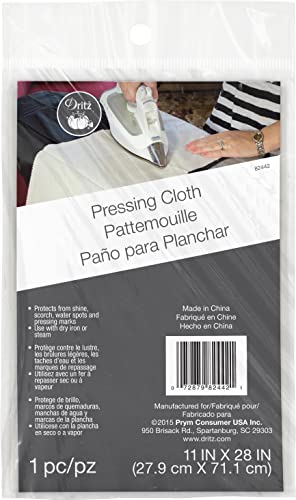

The Laundress Pressing Cloth is a staple in many professional studios because it balances weight and transparency perfectly. When you are blocking an intricate lace shawl, you need to see exactly where your pins are placed without moving the fabric. This cloth is thin enough to let you monitor your stitches while still providing a reliable heat buffer.
Its construction is remarkably consistent, which is essential when you are working with luxury fibers like cashmere or alpaca. These yarns are incredibly sensitive to heat, and even a slight temperature spike can cause irreversible damage to the halo. This cloth diffuses steam evenly across the surface, preventing the "hot spots" that often cause uneven blocking results.
The bottom line is that this cloth offers the best protection for your investment pieces. If you spend forty hours on a complex lace pattern, don’t leave the finishing to a random scrap of fabric. This is the gold standard for those who prioritize fiber safety above all else.
Reliable Corporation Cotton Pressing Cloth Set
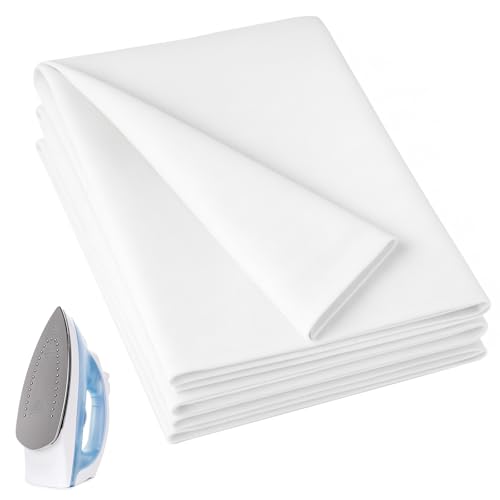
Reliable Corporation understands the mechanics of steam better than most, and their cloth set reflects that engineering mindset. These cloths are designed specifically for use with high-output steam stations, meaning they handle moisture without becoming instantly waterlogged. If you are blocking a heavy wool sweater that requires significant steam pressure to relax the stitches, this is your go-to.
The set typically includes different sizes, which is a massive advantage for the multi-project knitter. You can use the smaller piece for blocking socks or hats, while the larger sheet covers the entire back of a sweater. Having the right coverage means you don’t have to lift and reset your cloth repeatedly, which minimizes the risk of shifting your work while it is damp and vulnerable.
Because these cloths are slightly more absorbent, they hold onto steam longer than thinner alternatives. This allows you to "set" the yarn more effectively without needing to keep the iron moving constantly. It is an excellent choice for those who struggle with uneven stitch definition in their finished garments.
Dritz Deluxe Pressing Cloth for Delicate Fibers
Dritz has been a reliable name in sewing notions for decades, and their deluxe pressing cloth is a fantastic option for the budget-conscious knitter. It features a slightly looser weave, which allows steam to penetrate the fibers quickly. This is particularly helpful when you are working with superwash wools that sometimes resist relaxing during the initial soak.
The fabric is soft to the touch, which prevents the cloth from leaving any unwanted texture marks on your knitting. Some cheaper cloths are too stiff, which can actually transfer a grid-like pattern onto your yarn if you press too hard. Dritz avoids this by using a high-quality, pliable cotton that conforms to the shape of your cables or textured stitches.
This is a great "workhorse" cloth for everyday projects like baby blankets or simple stockinette scarves. It is durable enough to survive dozens of wash cycles, making it a reliable addition to your blocking kit. For the price, it is hard to beat the value and performance it provides.
Rowenta Professional Grade Steam Pressing Cloth

Rowenta is synonymous with high-end irons, and their pressing cloth is designed to complement high-heat steam settings. If you use a professional steam station, you need a cloth that can withstand high temperatures without degrading. This cloth remains stable under intense heat, ensuring that your yarn fibers don’t come into direct contact with the metal soleplate.
The material is treated to be semi-translucent, which is a huge benefit when you are aligning edges or seams. If you are blocking a cardigan front, you can clearly see your stitch markers through the fabric. This precision helps you maintain symmetry, which is often the hardest part of finishing a garment.
One minor tradeoff is that the fabric is slightly thicker, which means it requires a bit more steam to get the moisture through to the yarn. However, for those who are nervous about scorching their work, that extra thickness is actually a safety feature. It provides an extra layer of confidence when you are working with premium, expensive yarns.
Singer Heavy Duty Cotton Pressing Cloth Option
Singerâs heavy-duty option is built for those who do a lot of blocking on thick, worsted-weight wools. When you are blocking a dense cabled sweater, you need a cloth that can take the weight of a heavy iron without compressing the cables too much. This cloth has a tighter, more robust weave that stands up to repeated use and heavy pressure.
It is particularly useful for "steam setting" wools that have a tendency to spring back into their original shape. The weight of the cloth helps keep the garment flat while the steam does the heavy lifting. It feels substantial in your hands, which gives you more control when you are sliding the iron across the surface of your project.
While it might be overkill for delicate lace, it is an essential tool for structured garments. If you are a fan of heavy, rustic wools that require a bit of "persuasion" to lay flat, this is the cloth you want in your kit. It is a durable, long-term investment for the serious garment knitter.
June Tailor Pressing Sheet for Blocking Knits

The June Tailor pressing sheet is a specialized tool that bridges the gap between a standard cloth and a blocking mat. It is specifically designed to be used in conjunction with steam to help "shape" your knitting. If you are doing a lot of garment work, you know that blocking is essentially tailoring; this sheet helps you achieve those crisp, professional edges.
The material is engineered to be non-stick, which is a major convenience when you are working with yarns that have a high silk or mohair content. These fibers can sometimes be "grabby" when damp, but this sheet allows the iron to glide effortlessly. It is a very forgiving tool for those who are still learning how to manage steam pressure.
Just be aware that because it is designed for shaping, it may not be as breathable as a pure muslin. Use this primarily for setting edges, collars, and cuffs where you need a bit of extra structure. It is a fantastic addition to your arsenal for those final, crucial finishing steps.
Why You Need a Muslin Cloth for Steam Blocking
Steam blocking is essentially a controlled way to "relax" the yarn fibers, allowing them to bloom and settle into their final position. A muslin cloth acts as a physical barrier between your iron’s soleplate and your hand-knitted fabric. Without it, you are essentially ironing your yarn, which can crush the fiber structure and leave a permanent, shiny "press mark."
Muslin is the preferred material because it is 100% cotton, breathable, and heat-resistant. It allows the steam to pass through while trapping the heat just long enough to soften the yarn. This process is essential for:
- Even out stitches: Eliminating slight inconsistencies in your tension.
- Opening up lace: Helping delicate yarn-overs and decreases lay flat.
- Smoothing cables: Preventing them from looking bunched or tight.
- Adjusting drape: Helping the fabric achieve the intended flow and movement.
Using a cloth also protects your iron. Sometimes, especially with hand-dyed yarns, there can be a small amount of excess dye or residual spinning oil that could transfer to your iron’s soleplate. The muslin absorbs these impurities, keeping both your iron and your garment in pristine condition.
How to Properly Steam Block Your Finished Knits
Start by pinning your project to your blocking mats to the desired dimensions, ensuring that all edges are straight and symmetrical. Place your muslin cloth over the area you intend to block, making sure it is flat and wrinkle-free. If the cloth has wrinkles, those patterns can transfer to your damp knitting, which is the opposite of what you want.
Set your iron to the "steam" or "wool" setting, but never touch the iron directly to the project. Instead, hold the iron about an inch above the muslin cloth and release bursts of steam. You want the steam to do the work, not the weight of the iron.
Move the iron slowly across the surface, letting the steam penetrate the yarn. Once the area is damp and warm, let it sit undisturbed until it is completely dry. Moving the project while it is still damp can cause the fibers to stretch or distort, so patience is your best friend during this stage.
Cotton vs Synthetic Pressing Cloths Explained
There is a significant difference between natural cotton muslin and synthetic pressing cloths. Cotton is a plant fiber that handles heat exceptionally well and is highly absorbent, making it perfect for holding and distributing steam. It is also naturally textured, which helps grip the surface of your knitting without sliding around.
Synthetic cloths, often made of polyester or nylon blends, are generally designed to be "non-stick" and are often used for sewing interfacing. However, these materials can melt or warp if the iron gets too hot. They also tend to be less breathable, which can trap too much moisture and cause the yarn to become waterlogged rather than steamed.
For knitters, cotton is almost always the safer and more effective choice. It mimics the natural feel of the fibers you are working with, ensuring that the finish looks organic rather than "plastic-y." Always check the label to ensure you are buying 100% cotton muslin.
Essential Tips for Safe Steam Pressing at Home
Always test your iron on a small swatch before you go near your finished garment. Even if you think you know your iron’s settings, different fibers react differently to heat. A 100% wool swatch will behave differently than an alpaca or mohair blend, so err on the side of caution.
Keep your iron clean and free of mineral buildup. If your iron is spitting out brown flakes, that debris will end up on your muslin and potentially ruin your light-colored hand-knits. Regularly use a cleaning solution or distilled water to keep the steam vents clear and functional.
Finally, remember that steam blocking is a permanent process for many fibers. Once you have "relaxed" the yarn with steam, it is very difficult to reverse the effect. Take your time, work in small sections, and always prioritize the integrity of the fiber over the speed of the finish.
Investing in a quality cotton muslin cloth is a hallmark of a knitter who cares about the longevity of their work. It provides the necessary protection to ensure your stitches remain plump, defined, and beautifully shaped. By choosing the right tool for your specific project, you can elevate your finished pieces to a professional standard. Happy knitting, and may your blocking sessions be as rewarding as the time spent at your needles.