6 Best Yarn Cutters For Clean Edges Worth Trying
Discover the top 6 yarn cutters for precise, clean edges. This guide evaluates durability and ease of use to help you find the perfect tool for your projects.
Every knitter knows the frustration of a frayed yarn end that refuses to slide through a tapestry needle’s eye. Achieving a clean, crisp cut is the secret to professional-looking color changes and seamless weaving in of ends. Whether you are working with delicate lace-weight mohair or rustic, multi-ply wool, the right tool makes all the difference. Here are six reliable options to ensure your project finishing is as elegant as your stitches.
Clover Yarn Cutter Pendant: The Best Overall Choice


The Clover Yarn Cutter Pendant is a masterclass in functional design for the modern knitter. It hides a circular blade inside a decorative pendant, allowing you to snip yarn instantly without fumbling for scissors.
It is particularly useful when you are working on a crowded commute or a busy flight. Because the blade is recessed, you don’t have to worry about accidentally nicking your project or your fingers.
The trade-off, however, is that it doesn’t offer the precision of a pair of snips for trimming tails close to a knot. It is the ultimate convenience tool for quick cuts, not for intricate finishing work.
Colonial Needle Thread Cutter: Best Budget Option
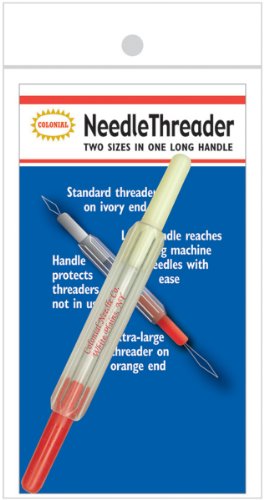
This classic, simple disc cutter is a staple in many sewing and knitting kits for good reason. It provides a sharp, reliable cut at a fraction of the cost of high-end specialty tools.
Because it is small and lightweight, it won’t weigh down your project bag. It’s perfect for the knitter who tends to lose their accessories and wants a reliable backup that doesn’t break the bank.
Keep in mind that these discs can become dull over time, especially if you are cutting through thicker, abrasive fibers like linen or hemp. Treat it as an affordable, replaceable essential rather than a lifetime heirloom.
Cocoknits Maker’s Keep: Best Wearable Accessory
The Cocoknits Maker’s Keep is a brilliant solution for the knitter who is constantly setting their tools down and losing them. It features a magnetic slap-bracelet base that holds your metal snips or needles right on your wrist.
This keeps your cutting tool within arm’s reach at all times, which is a lifesaver when you are in the middle of a complex row of stranded colorwork. You spend less time searching and more time knitting.
While the magnetic base is incredibly convenient, ensure your snips are compatible with the magnet strength. It is an investment in workflow efficiency that pays off during long knitting sessions.
Gingher Featherweight Snips: Best Precision Blade

When you need to trim a yarn tail flush against a delicate fabric, nothing beats the Gingher Featherweight Snips. These are essentially high-quality, ultra-sharp scissors designed for surgical precision.

The blades are exceptionally thin, allowing you to get into tight spots without disturbing the surrounding stitches. They are ideal for finishing projects where you want a perfectly clean, invisible end.
Because they are so sharp and precise, they require careful handling. Keep them in a protective sheath to maintain the edge and prevent accidental damage to your yarn.
Dritz Yarn Snip Tool: Best for Travel Knitting

The Dritz Yarn Snip is a compact, spring-loaded tool that fits comfortably in the palm of your hand. It is designed for one-handed operation, which is a significant advantage when your other hand is busy holding your knitting needles.
Its small size makes it an excellent companion for travel knitting. You can easily tuck it into a small notions pouch without worrying about it taking up valuable space.
Be aware that the spring mechanism can be a bit stiff for some users at first. It is a robust, travel-ready tool that balances portability with ease of use.
Singer ProSeries Thread Clips: Best for Durability

If you are a heavy-duty knitter who works primarily with thick, rugged wools or cottons, the Singer ProSeries Thread Clips are a reliable choice. These are built to last and can handle repeated use without losing their sharpness.
The metal construction feels substantial in the hand, offering a level of control that plastic-bodied cutters often lack. They are designed to withstand the wear and tear of a busy studio environment.
They are slightly heavier than other options, which might be a consideration if you prefer an ultra-lightweight kit. Choose these if you prioritize longevity and a solid, professional feel.
How to Choose the Right Cutter for Your Yarn Type
Not all yarns are created equal, and your tool choice should reflect the fiber you are currently using. A sharp, precision blade is non-negotiable for delicate fibers like silk or fine mohair, which can snag easily.
For thick, rustic wools or high-twist yarns, you need a tool with enough leverage to slice through the fibers cleanly. If your tool is dull, it will crush the yarn rather than cut it, leaving a messy, frayed end.
- Fine/Delicate Fibers: Use precision scissors with thin, sharp blades.
- Thick/Rustic Fibers: Use robust snips with a strong cutting action.
- Synthetic/Slippery Fibers: Ensure your blades are clean to prevent the yarn from sliding away.
Safety First: Using Sharp Tools Near Your Projects
It is tempting to snip yarn ends quickly, but always be mindful of the "snip zone" around your knitting. A stray cut can easily slice through a working yarn or a finished stitch, leading to a frustrating repair.
Always pull the yarn tail away from the main project body before cutting. This creates a buffer zone that protects your hard work from an accidental slip of the blade.
Never rush the process, especially when working on a project that has taken weeks to complete. A moment of caution saves hours of re-knitting.
Essential Maintenance for Your Knitting Scissors
Even the best tools will eventually lose their edge if they aren’t cared for properly. Never use your yarn scissors to cut paper, tape, or other materials, as these will dull the blades rapidly.
Periodically wipe the blades down with a soft cloth to remove any residual fiber dust or lanolin. If your snips have a pivot screw, a tiny drop of sewing machine oil can keep the action smooth and effortless.
Treat your scissors as a dedicated knitting tool, and they will serve you for years.
Why Clean Edges Matter for Finishing Your Knits
A clean, sharp cut isn’t just about aesthetics; it’s about the structural integrity of your finished garment. A frayed yarn end is more likely to work its way out of a weave, potentially causing a hole or a loose stitch over time.
When you start with a crisp, clean end, you can thread your tapestry needle smoothly and weave your tail securely into the back of the work. This results in a professional, long-lasting finish that can withstand washing and wear.
Taking the extra second to get a clean cut is the hallmark of a knitter who cares about the longevity of their craft.
Investing in a quality yarn cutter is a small step that yields significant rewards in the quality of your finished projects. By choosing the right tool for your specific fiber type and knitting style, you ensure that your hard work remains pristine. Keep your tools sharp, store them safely, and enjoy the satisfaction of a perfectly finished knit. Happy knitting, and may your yarn tails always be easy to weave in.