
6 Best Swift Maintenance Oils for Smooth Rotation
Keep your equipment running perfectly with our top six Swift maintenance oils. Discover the best lubricants for ensuring smooth rotation and peak performance.
A jerky, squeaky swift can turn a relaxing winding session into a frustrating battle against tangled yarn. Over my two decades in the craft, I’ve learned that a swift is only as good as its rotation, and maintenance is the secret to a smooth skein. Choosing the right lubricant ensures your yarn feeds evenly without the dreaded "thump-thump" of a sticking bearing. Here are the best oils to keep your fiber tools spinning effortlessly.
3-IN-ONE Multi-Purpose Oil for Swift Bearings
This is the classic, go-to solution for most wooden and metal swifts. It is a thin, penetrating oil that is excellent for clearing out dust and dried-up gunk that accumulates over years of heavy use.
Because it is very lightweight, it won’t create a gummy residue that attracts more lint. If your swift has an older, metal-on-metal central pivot, a single drop of this is usually enough to restore that "spin for days" feeling.
However, be careful with the application. Use it sparingly, as its thin viscosity means it can run if you aren’t precise.
Super Lube Synthetic Grease for Smooth Motion


If you are dealing with a plastic or nylon-based swift, standard petroleum oils can sometimes degrade the material over time. Super Lube is a synthetic grease that plays much nicer with modern, mass-produced swift components.
It provides a thicker, more cushioned feel to the rotation. This is perfect if your swift feels a bit "loose" or wobbly; the grease adds just enough resistance to keep the motion controlled and steady.
The trade-off is that grease is a magnet for stray fibers and dust. You will need to wipe the pivot point clean every few months to ensure it doesn’t turn into a gritty paste.
Singer Sewing Machine Oil for Precision Parts
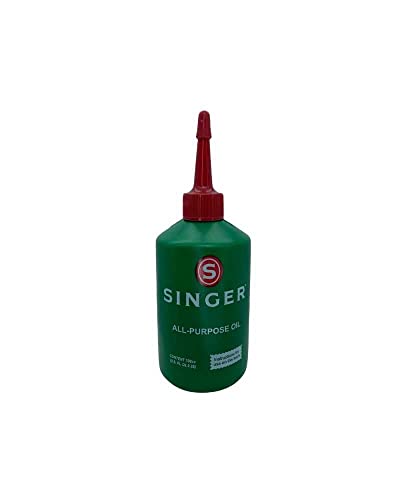
Many knitters overlook the oil specifically designed for sewing machines, which is a mistake. This oil is highly refined, clear, and designed to prevent rust without staining delicate fiber.
It is arguably the safest choice if you are worried about oil splatter hitting your expensive hand-dyed wool or silk. Because it is non-gumming, it stays liquid and effective in the tight tolerances of a swift’s central screw.
If you find that your swift is "ticking" as it turns, this oil is usually the best remedy. It penetrates deep into the pivot points where a thicker grease simply cannot reach.
Lucas Oil White Lithium Grease for Durability

White lithium grease is the heavy-duty option for those who wind massive quantities of yarn, such as large cones for machine knitting. It is incredibly durable and won’t wash away or dry out easily.
This is the best choice for swifts that get a lot of horizontal torque. If you tend to wind quickly or pull yarn with a heavy hand, the extra "staying power" of this grease protects the metal components from friction-induced wear.
Just remember that "more" is not "better" here. A tiny dab, about the size of a pinhead, is all you need to keep things moving for a very long time.
Liberty Oil Synthetic Lubricant for Swift Hubs

Liberty Oil is a boutique favorite among those who restore vintage wooden tools. It is a high-grade synthetic that is remarkably stable, meaning it won’t evaporate or become sticky in varying temperatures.
I often recommend this for wooden swifts because it doesn’t have the harsh chemical smell of some multi-purpose sprays. It feels clean and professional, and it won’t seep into the wood grain and cause swelling.
If you have a high-end, hand-crafted wooden swift, this is the premium choice. It preserves the integrity of the wood while ensuring the central hub rotates with near-zero friction.
Rem Oil Aerosol for Quick Swift Maintenance

Rem Oil is technically a firearm lubricant, but its ability to reach deep into tight spaces is unmatched. The aerosol version allows you to blast away tiny particles of dust that have settled deep into the swift’s mechanism.
It dries to a very thin, protective film that prevents oxidation on metal parts. This is a lifesaver if you live in a humid climate where metal swift components might be prone to surface rust.
The downside is the mess; you must shield your yarn and your workspace before spraying. Always apply this to a cloth first and then wipe it onto the pivot rather than spraying directly at the tool.
Why Proper Lubrication Matters for Your Swift
A swift is a mechanical tool, and like any tool, it suffers from friction. When a swift resists, you end up putting unnecessary tension on the yarn as you wind it into a ball or cake.
This extra tension can actually "stretch out" your fiber, especially if you are working with elastic yarns like wool or high-twist plied yarns. Once that yarn is wound tightly under stress, it loses its loft and can affect your final gauge.
Proper lubrication ensures that the swift does the work, not your hands. It protects the integrity of your yarn and makes the winding process a meditative, rather than a physical, chore.
How to Safely Clean Your Swift Before Oiling
Never add new oil on top of old, dirty, or caked-on lubricant. The combination creates a grinding paste that will wear down your swift’s pivot point faster than if you had used no oil at all.
Start by using a dry, lint-free cloth to wipe away any visible dust or debris. If the old grease is stubborn, a small amount of isopropyl alcohol on a cotton swab can help dissolve the buildup.

Make sure the area is completely dry before applying your fresh lubricant. Moisture trapped under new oil can lead to rust, especially on metal components.
Tips for Applying Oil Without Staining Yarn
Staining a beautiful, hand-dyed skein of yarn with machine oil is a knitter’s nightmare. The golden rule is to apply the lubricant to the pivot point, not the arms of the swift.
Use a cotton swab to apply the oil precisely where metal meets metal. Once applied, move the swift through several full rotations to work the oil into the mechanism, then wipe away any excess with a clean paper towel.
If you are still nervous, wait at least one hour after oiling before putting your yarn on the swift. This gives the oil time to settle into the grooves and ensures nothing "flings" off during the winding process.
Troubleshooting Common Swift Rotation Issues
If your swift is still sticking after oiling, check for mechanical misalignment. Sometimes the central screw is tightened too far, putting unnecessary pressure on the hub and preventing smooth rotation.
Look for bent arms or loose joints, which can cause the swift to wobble and catch. If the swift is made of wood, check for seasonal swelling; sometimes, a bit of light sanding on the friction points is more effective than any oil.
If the rotation is still jerky, it might be time to replace the central ball bearing or washer. Remember, even the best lubricant cannot fix a structural failure in the tool itself.
Maintaining your swift is a small investment of time that pays dividends in the quality of your yarn cakes and the ease of your knitting process. By choosing the right lubricant and applying it with care, you ensure that your tools remain as reliable as your favorite pair of needles. Keep your swift spinning smoothly, and your yarn will thank you with every stitch. Happy knitting!
