7 Best Wool Blends For Warm Winter Hats To Try
Discover the 7 best wool blends for winter hats. Learn which fibers offer the perfect balance of warmth, durability, and itch-free comfort for the season.
Choosing the right yarn for a winter hat is a balancing act between thermal insulation, skin comfort, and the structural integrity required to keep your ears warm. While pure wool is the classic choice, modern blends offer significant advantages in longevity and ease of care. This guide explores the best wool-based yarns to ensure your next beanie is both a joy to knit and a staple in your cold-weather wardrobe.
Cascade 220 Superwash: The Reliable Wool Standard


Cascade 220 Superwash is the workhorse of the knitting world for a reason. Its consistent twist and predictable gauge make it the gold standard for testing new hat patterns or gifting to non-knitters who aren’t ready to hand-wash delicate items.
Because it is a superwash treated wool, the fibers have been processed to resist felting. This means your hat will hold its shape even if it accidentally ends up in a standard laundry cycle, though I always recommend a gentle wash to be safe.
The trade-off here is a slight loss of the "grab" found in non-superwash wool. If you are working on complex colorwork, the yarn may feel a bit slicker on your needles, so consider using wood or bamboo needles to maintain control over your tension.
Malabrigo Rios: Best for Luxurious Color Depth
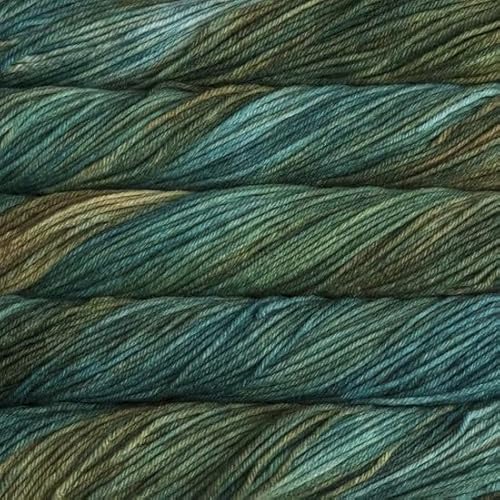
If your primary goal is a hat that looks like a high-end boutique piece, Malabrigo Rios is unparalleled. This yarn is kettle-dyed, resulting in subtle, beautiful color variations that add depth to even the simplest stockinette stitch.
The 4-ply construction gives it a round, plump finish that makes cables pop with incredible definition. When you knit a hat with Rios, the fabric feels dense and substantial, which is exactly what you want when the wind chill starts to drop.
Keep in mind that because it is hand-dyed, no two skeins are identical. Always alternate skeins every few rows if you are worried about color pooling or slight shade shifts, especially in larger hats that require more than one skein.
Berroco Ultra Wool: The Perfect Softness Balance
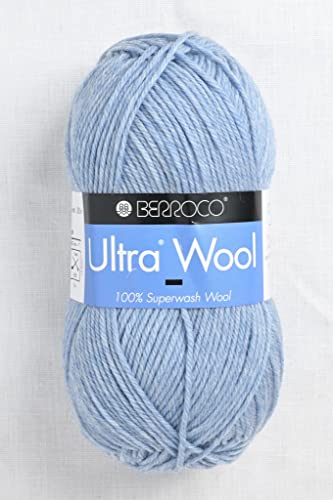
Berroco Ultra Wool is a fantastic choice for those who find traditional sheep’s wool slightly itchy against the forehead. It manages to mimic the structure of a classic wool yarn while maintaining a remarkably soft hand.
This yarn is incredibly forgiving, making it an excellent choice for beginners who might need to rip back their work multiple times. The fibers don’t fray or split easily, which keeps the knitting process stress-free and smooth.
It provides a very clean stitch definition, making it the ideal candidate for hats featuring intricate ribbing or twisted stitches. You’ll find that your finished hat maintains its elasticity well, ensuring it stays snug against your ears throughout the winter.
Rowan Felted Tweed: Ideal for Textured Patterns
Rowan Felted Tweed is a unique blend of merino, alpaca, and viscose that behaves unlike any other yarn on this list. It has a rustic, heathered appearance that feels like a traditional heritage wool but with a surprisingly lightweight feel.
The "felted" nature of the yarn means it blooms beautifully after blocking. If you are knitting a hat with lace or complex texture, this yarn will fill in the gaps, creating a fabric that is wind-resistant and exceptionally warm for its weight.
Be aware that it is a slightly thinner yarn than typical worsted weights. I suggest checking your gauge carefully and perhaps dropping down a needle size to ensure your hat isn’t too loose or drafty.
Patons Classic Wool Blend: Best for Durability

Patons Classic Wool Blend is a reliable mix of wool and nylon that is built to last. The addition of synthetic fiber significantly increases the tensile strength, making this an excellent choice for a hat that will be thrown into a backpack or coat pocket daily.
This is a denser, slightly firmer yarn, which makes it perfect for structured beanies or hats with a tight, crisp brim. It won’t stretch out of shape as quickly as 100% merino yarns, which tend to grow over time.
While it lacks the "cloud-like" softness of higher-end wools, it is incredibly practical. If you are knitting for someone who works outdoors or is hard on their accessories, this is the yarn that will survive the season without pilling.
Drops Lima: Superior Wool and Alpaca Warmth

Drops Lima is a sport-weight blend of wool and alpaca that offers a high warmth-to-weight ratio. The alpaca content adds a luxurious halo and significant thermal insulation without adding excessive bulk to your hat.
Because alpaca is a hollow fiber, it traps heat more efficiently than sheep’s wool alone. This makes Lima a top-tier choice for extreme cold, especially if you prefer a hat that isn’t overly heavy or cumbersome.
Note that alpaca can sometimes be a bit "fuzzier" than pure wool. If you are sensitive to textures, ensure you are knitting a brim that is long enough to fold over, providing a double layer of protection between the yarn and your skin.
KnitPicks Swish Worsted: Great for Sensitive Skin

KnitPicks Swish is made from 100% fine merino wool, which is known for its high crimp and soft touch. It is specifically designed to be gentle enough for those with very sensitive skin, making it the go-to for hats worn by children or those prone to irritation.
The yarn has a nice bounce and elasticity, which is crucial for a hat that needs to fit snugly. When you stretch the finished fabric, it snaps back into place, ensuring the hat doesn’t become baggy after a few wears.
It is a very affordable option for the quality provided, allowing you to experiment with complex patterns without breaking the bank. Just be mindful of the "superwash" nature—avoid high heat when drying to keep the fibers from losing their spring.
Why Blends Outperform Pure Wool for Winter Hats
Many knitters assume that 100% natural wool is the pinnacle of performance, but blends often offer superior real-world utility. Pure wool, particularly soft merino, can be prone to pilling and stretching out when subjected to the friction of daily wear.
By introducing fibers like nylon, alpaca, or even acrylic, we can reinforce the structural integrity of the yarn. A blend often retains the temperature-regulating properties of wool while gaining the durability required for a high-use item like a winter hat.
- Nylon adds elasticity and prevents the hat from losing its shape.
- Alpaca increases thermal retention while keeping the fabric lightweight.
- Viscose/Acrylic can add a subtle drape and softness, making the hat more comfortable against the forehead.
Understanding Fiber Content for Maximum Warmth
To maximize warmth, look for fibers that create a "halo"—the fuzzy, soft fibers that stand up from the strand. This halo traps air, and since trapped air is the best insulator, it keeps your head significantly warmer than a smooth, tightly twisted yarn.
Don’t ignore the importance of yarn weight in relation to your pattern. A heavier yarn will inherently create a thicker fabric, but a well-knit, tighter-gauge hat in a medium-weight yarn can be just as warm and much more comfortable to wear for long periods.
Ultimately, the best yarn for warmth is one that allows for a dense gauge. If you can see through your stitches when you hold the fabric up to the light, your hat will let the cold air in; choose a needle size that gives you a firm, wind-blocking fabric.
Essential Care Tips for Your Hand-Knit Beanies
Even superwash yarns benefit from gentle care. Always wash your hats by hand in lukewarm water with a wool-specific wash to remove oils and dirt that can break down fibers over time.
Never hang your hat to dry, as the weight of the water will stretch the fabric and ruin the fit. Instead, lay your hat flat on a towel and gently roll it up to remove excess moisture, then reshape it on a dry surface.
- Avoid fabric softeners: They coat the fibers and reduce the natural moisture-wicking properties of the wool.
- Store carefully: Keep your hats in a cool, dry place away from direct sunlight to prevent fading.
- Use a sweater stone: If you notice pilling after a season of wear, use a dedicated sweater stone to gently remove surface fuzz without damaging the yarn.
Selecting the perfect wool blend for your winter hat is a rewarding process that balances personal comfort with practical durability. Whether you prioritize the luxurious feel of merino or the rugged strength of a nylon-blend, your choice will dictate the longevity of your handiwork. Remember to swatch, wash, and block your yarn before committing to a full project to ensure the best results. Happy knitting, and may your hats keep you warm through the coldest of days.