
7 Best Cable Needles For Creating Glove Patterns
Mastering glove cables requires the right tools. We review the 7 best cable needles to ensure your intricate patterns remain secure, smooth, and snag-free.
Knitting cables into gloves requires a delicate balance between tool maneuverability and stitch security. Because glove fingers and palms are cramped, you need a cable needle that won’t snag or slip while you work in tight quarters. Choosing the right tool can turn a frustrating, fiddly project into a satisfying exercise in texture. Here are the top seven cable needles that help you maintain your rhythm without losing your stitches.
Clover Takumi Bamboo Cable Stitch Holders
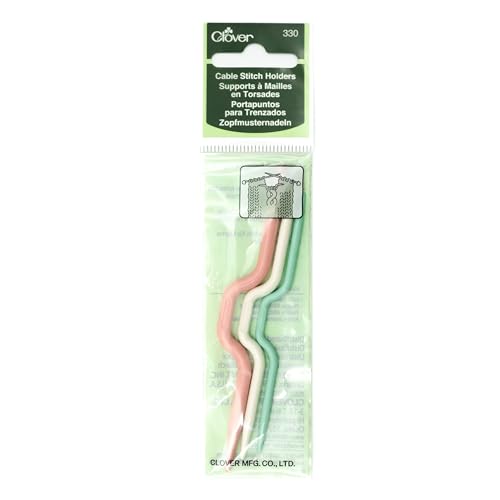

Clover Takumi needles are a staple for a reason: the natural bamboo provides a subtle "grip" that keeps stitches from sliding off unexpectedly. When you are working on the gusset of a glove, that extra bit of friction is a lifesaver.
Because bamboo is lightweight and warm to the touch, it is ideal for long knitting sessions where hand fatigue is a concern. The wood is smooth enough to move through yarn easily, but it lacks the extreme slickness of metal.
If you are working with slippery fibers like silk or high-twist superwash wool, these are your best bet. The natural surface prevents the cable stitches from "pinging" off the needle while you focus on the main glove fabric.
ChiaoGoo Stainless Steel Cable Needles
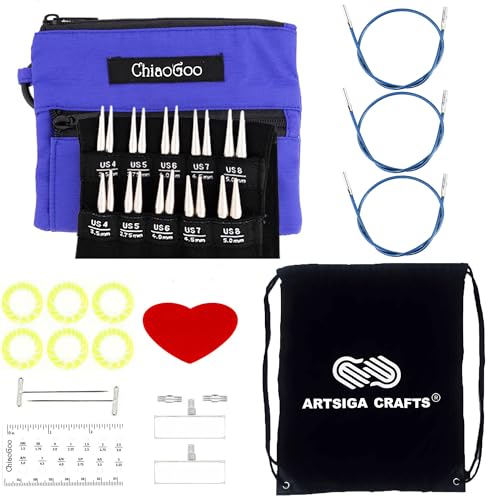
ChiaoGoo needles are engineered for the knitter who values speed and precision above all else. The stainless steel finish is incredibly smooth, allowing your yarn to glide effortlessly during complex crosses.
These needles are particularly well-suited for fine-gauge glove patterns where space is at a premium. Because the material is so durable, the needles can be made very thin without bending, which is essential for working with sock-weight yarn.
Keep in mind that their slickness can be a double-edged sword. If you have a loose tension, stitches may slide off these needles more easily than they would on wood or plastic.
Knitter’s Pride Ginger Cable Needles

The Ginger line features a beautiful, polished laminated wood that feels substantial in the hand. These needles offer a perfect middle ground between the grip of bamboo and the speed of metal.
The tapered ends are sharp enough to pick up stitches without splitting the plies of your yarn. This is critical when you are working on the intricate, tiny cables often found on the back of a glove.
These are an excellent choice if you find metal needles too cold or bamboo too slow. The density of the wood provides a satisfying weight that helps you maintain consistent tension throughout your project.
Brittany Birch Wood Cable Needles
Brittany needles are crafted from sustainably harvested birch, offering a classic aesthetic paired with functional performance. They are remarkably smooth, yet they retain that signature wood-fiber "bite" that keeps your stitches exactly where you place them.
For those who enjoy the tactile experience of knitting, birch is hard to beat. It doesn’t clatter against your main needles, making it a quiet, meditative tool for working in public or late at night.
Because birch is a natural material, it is gentle on your hands. If you suffer from joint pain while knitting small items like gloves, the warmth of these needles can provide significant relief.
Susan Bates Crystalites Cable Needles

Crystalites are made from a lightweight, smooth plastic that is surprisingly versatile for the price. They are transparent, which makes it easy to see your yarn color against the needle, preventing "lost" stitches.
These needles are quite slick, making them a good match for wools that have a bit of "halo" or fuzz. The smooth surface helps the yarn travel over the cable cross without catching on the fibers.
They are an affordable, no-nonsense option for your knitting bag. They are virtually indestructible and lightweight enough that you won’t even notice them hanging in your work as you finish a row.
Addi Metal Cable Needle Set Review

Addi is legendary for its high-quality metal finishes, and their cable needles are no exception. They feature a slight "bend" in the center that helps keep the needle securely positioned within the cable cross.
This ergonomic shape is a game-changer for glove work. It prevents the needle from rotating or falling out of the stitches, which is a common problem when you are trying to maneuver around a thumb gusset.
While they are an investment, the quality is evident in the seamless finish. If you knit frequently, the durability of these nickel-plated needles makes them a long-term staple that will last for years.
Boye Aluminum Cable Selection
Boye aluminum needles are the classic, reliable choice that most knitters start with, and for good reason. They are incredibly strong, thin, and offer a consistent, predictable glide.
Because they are made of metal, they are thin enough to handle even the finest fingering-weight yarns used in glove patterns. They provide a clear "click" when they touch your working needles, which can help you keep track of your progress.
Don’t overlook these just because they are common. Their thin profile makes them ideal for tight cables where a thicker wooden needle might stretch the stitches too much.
Essential Features for Glove Cable Needles
When selecting a cable needle for gloves, you must prioritize size and surface texture. A needle that is too thick will distort your gauge, making the cable look bulky compared to the rest of the glove.
Consider these factors before you buy:
- Needle Diameter: Always choose a needle that is the same size or slightly smaller than your working needles.
- Surface Texture: Choose wood for slippery yarns and metal for sticky or high-friction yarns.
- Tip Sharpness: A sharper tip helps navigate dense, cabled fabric without splitting the yarn.
The goal is to find a tool that disappears into your workflow. If you are constantly fighting the needle to keep it in place, it is the wrong tool for that specific project.
Why Shape Matters for Intricate Glove Work
The shape of a cable needle dictates how it interacts with the surrounding stitches. Straight needles are fine for simple cables, but curved or "U-shaped" needles are superior for glove work.
A curve allows the needle to "nestle" into the fabric, staying out of your way while you knit the remaining stitches. This is vital when you are working in the small circumference of a glove finger or palm.
Avoid needles that are too long. Excess length is a liability in small-scale knitting, as the needle will constantly bump into your fingers or the other side of the glove.
Tips for Managing Cables in Small Projects
Knitting cables in a small space requires patience and the right technique. Always try to keep your cable needle in the front or back position consistently to avoid confusing the twist direction.
If you find yourself dropping stitches, use a smaller needle size to "lock" the cable stitches in place. You can also block your gloves aggressively once finished to smooth out any tension irregularities caused by the cable cross.
Finally, remember that practice is the only way to build muscle memory for these small, intricate movements. Take your time with the first few rows of the cable pattern until your hands adjust to the new rhythm.
Selecting the right cable needle is a personal journey that depends on your tension, the yarn you choose, and the complexity of the glove pattern. By experimenting with different materials and shapes, you will eventually find the perfect tool that makes your knitting flow effortlessly. Remember that the best needle is the one that allows you to focus on the beauty of the pattern rather than the mechanics of the tool. Happy knitting, and enjoy the process of creating your own custom-fit, cabled gloves.
