6 Best Needle Point Caps For Delicate Fibers
Protect your delicate fibers with these 6 top-rated needle point caps. Discover essential tools that prevent snags and maintain stitch integrity during work.
We have all experienced the heart-sinking moment of pulling a project from our knitting bag only to find half the stitches have slid off the needles. When working with delicate fibers like silk, alpaca, or fine mohair, this mishap can lead to dropped stitches or snagged yarns that ruin hours of work. Investing in high-quality point protectors is not just about convenience; it is a vital step in preserving the integrity of your handmade textiles. This guide explores the best caps on the market to ensure your stitches stay exactly where you left them.
Clover Point Protectors: The Reliable Standard


Clover point protectors are the ubiquitous workhorses of the knitting world for a reason. They feature a soft, pliable rubber construction that creates a snug seal over the needle tip without putting undue stress on the join or the metal.
If you are working on a project with a high-twist wool, these caps are ideal because they don’t catch on the yarn fibers when you slide them on. They come in various sizes, color-coded for quick identification, which saves time when you are juggling multiple WIPs (works-in-progress).
The trade-off here is that they can occasionally loosen after years of heavy use. However, for the price and consistent performance, they remain the baseline against which all other protectors are measured.
ChiaoGoo Silicone Needle Caps: Secure Grip

ChiaoGoo has built a reputation for precision, and their silicone needle caps follow suit. These are specifically engineered to stay put, making them a favorite for knitters who travel frequently with their projects.
The silicone material provides a slightly tacky surface that grips the needle shaft firmly. This is particularly helpful if you use slick nickel-plated needles, which are notorious for letting stitches migrate off the ends during transit.
Because they are so secure, they can be a bit difficult to remove if you have arthritis or grip strength issues. If you prioritize security over ease of removal, these are the gold standard for your knitting bag.
KnitPicks Needle Point Protectors: Best Value
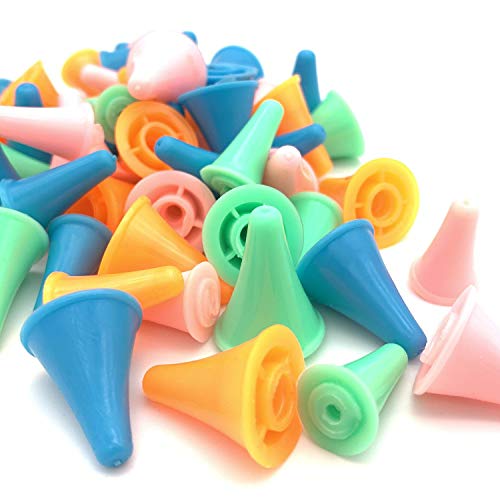
When you are a prolific knitter with a dozen projects on the needles at once, you need a cost-effective solution. KnitPicks offers simple, functional caps that get the job done without any unnecessary bells or whistles.
These are best suited for standard-sized needles, ranging from US 1 to US 10. They are lightweight and won’t add noticeable drag to your project, which is important if you are working on a long circular cable that is already heavy.
While they may not have the premium feel of leather or the advanced grip of silicone, they are perfectly adequate for most everyday projects. They are the ideal choice to keep in bulk for your "emergency" knitting kit.
Cocoknits Leather Point Protectors: Premium
Cocoknits brings a touch of luxury to the knitting experience with their vegetable-tanned leather point protectors. They are designed to age beautifully, developing a unique patina over time that plastic or silicone simply cannot replicate.
Beyond the aesthetics, the leather offers a firm, structured fit that keeps the needle points from poking through your project bags. They are particularly effective for larger needle sizes, where plastic caps might pop off due to the tension of the needle shaft.

They are an investment piece, but they are durable and sustainable. If you want a tool that feels as high-quality as the hand-dyed yarn you are using, these are the clear choice.
HiyaHiya Puppy Point Protectors: Best for Kids

Knitting is a wonderful skill to pass down, and HiyaHiya makes the process more engaging with their adorable puppy-shaped point protectors. These aren’t just toys; they are functional tools that provide a great grip for small hands.
The wide, molded ears of the puppy caps make them very easy to grab and remove, which is helpful for children who are still developing their fine motor skills. They are made from a soft, non-toxic material that is safe and pleasant to touch.
Even for adults, the whimsical design can make a tedious task, like putting away a project, feel a bit more fun. They perform just as well as standard silicone caps while adding a bit of personality to your toolkit.
Lykke Interchangeable Caps: Sturdy Protection

If you primarily use Lykke interchangeable needles, their branded caps are a must-have. These are designed to screw onto the threaded ends of your needles, providing a physical lock that is impossible to shake off.
Because they connect to the threads, they act as a stopper, ensuring your stitches stay on the cable and off the needle tips entirely. This is the ultimate protection for delicate lace projects where a single dropped stitch could take hours to repair.
The only downside is that they are specific to the Lykke system and won’t work on your fixed circulars or DPNs (double-pointed needles). If you are already invested in the Lykke ecosystem, these caps are the most secure option available.
Why Delicate Fibers Require Needle Point Caps
Delicate fibers like angora, mohair, and silk are prone to "haloing" or snagging. If a needle tip is left exposed, it can easily catch a loose strand of fiber, causing it to pull or break, which ruins the texture of your fabric.
Furthermore, these fibers are often slippery. Without a cap, the weight of the project can cause the needles to slide out of the stitches, leading to a "ladder" of dropped stitches that is difficult to fix in high-twist or fuzzy yarns.
Using a cap preserves the tension of the stitches at the ends of the row. It acts as a barrier, ensuring that when you pick up your work again, your gauge remains consistent from start to finish.
How to Prevent Stitch Slippage During Storage
Stitch slippage is often a result of how the needles are stored rather than just the caps themselves. Always ensure that your project is resting in a bag that is large enough to contain the needles without bending them.
If you are using DPNs, I recommend sliding all your stitches to the center of the needles and securing both ends with caps. This prevents the needles from splaying out and creating tension imbalances in your work.
Avoid storing your projects in bags with sharp zippers or rough interior seams. Even with point protectors, a stray yarn tail can catch on the bag’s hardware, leading to unwanted snags or pulled stitches.
Material Matters: Silicone vs. Plastic Caps
The choice between silicone and plastic often comes down to the friction of your needle material. Silicone provides a tacky surface that is excellent for metal needles, which are naturally very slick.
Plastic caps are generally more rigid and work well for bamboo or wooden needles. Because wood has a natural "grab," you don’t need the extra tackiness of silicone; you just need a cap that stays physically seated on the tip.
Always consider the weight of your project. Heavy wool projects can pull on the needles; in these cases, a tighter-fitting silicone cap is usually more reliable than a loose-fitting plastic one.
Caring for Your Needles and Fiber Projects
Taking care of your tools is just as important as choosing the right yarn. Periodically clean your point protectors with a damp cloth to remove any dust or lint that might reduce their grip over time.
When you finish a project, don’t just toss your needles into a bin. Use your point protectors to keep them organized and prevent the tips from dulling, especially if you are using high-end metal or wood needles.
By protecting the tools, you are ultimately protecting the hours of labor you put into your knitting. A small investment in quality caps pays dividends in the longevity of your needles and the success of your delicate fiber projects.
Selecting the right needle point caps is a simple way to elevate your knitting practice and protect your most delicate creations. Whether you prefer the secure grip of silicone or the tactile beauty of leather, there is a solution that fits your specific needs. Keep your tools clean, store your projects mindfully, and you will find that your knitting remains as pristine as the day you started. Happy knitting, and may your stitches always stay right where they belong.