6 Best Wool Soak Solutions For Delicate Fibers
Maintain your delicate woolens with our top six soak solutions. Discover gentle, effective formulas that clean, protect, and preserve your favorite garments.
Caring for your hand-knitted garments is just as important as the hours you spent perfecting your tension and stitch definition. Using the wrong detergent can strip natural oils, felt your fibers, or leave behind residues that attract unwanted pests. This guide breaks down the best wash solutions to ensure your heirloom-quality projects remain soft and structurally sound for years to come.
Eucalan Delicate Wash: Best Overall for Wool


Eucalan is the gold standard for a reason, acting as both a gentle cleanser and a conditioner for natural fibers. Its formula includes lanolin, which helps replenish the natural oils lost during the manufacturing and washing processes.
For a knitter working with rustic, non-superwash wools, this is a game-changer. It keeps the fibers supple, preventing that "crunchy" feeling that sometimes occurs after a wash.
Because it is a no-rinse formula, you avoid the agitation that comes with multiple dunkings. Agitation is the primary enemy of delicate wool, as it encourages the scales on the fiber to interlock and felt.
Bottom line: If you want a reliable, all-purpose wash that protects your investment, keep a bottle of Eucalan on your shelf. It is the safest bet for everything from delicate lace shawls to heavy, cabled sweaters.
Soak Wash: The Top Choice for Fragrance-Free
Many knitters are sensitive to the heavy, floral perfumes found in standard laundry detergents. Soak offers a "Scentless" version that is completely neutral, making it perfect for those with allergies or for items that will be worn against sensitive skin, like baby garments.
The chemistry behind Soak is designed to lift dirt and oils away from the fiber without the need for scrubbing. You simply dissolve a capful in a basin of cool water, submerge your project, and let it sit for fifteen minutes.
I often recommend this for projects that have been sitting in storage for a season. It refreshes the yarn without leaving a lingering scent that might clash with your personal perfume or cologne.
The tradeoff is that it lacks the heavy-duty conditioning agents found in lanolin-based washes. Use this when you want a clean slate for your fibers without adding extra weight or scent.
Kookaburra Wool Wash: Best for Natural Fibers
Kookaburra is unique because it utilizes a proprietary blend of essential oils to clean and deodorize. It is particularly effective for those who source their own fleece or work with unwashed, "raw" yarns that still carry some natural lanolin and barnyard scent.
The formula is highly concentrated, meaning a small bottle lasts through dozens of projects. It is excellent at breaking down the natural grease in wool, which can often trap dust and debris over time.
Be careful not to overuse it, as the concentrated formula can be potent. A little goes a long way, and you should always ensure it is fully dispersed in your water before adding your knitwear.
This is the best choice for the "farm-to-needle" knitter. If you are working with breed-specific wools that need a deep, thorough clean, Kookaburra is your best ally.
The Laundress Wool & Cashmere: Premium Care
When you have spent weeks knitting with luxury fibers like cashmere, silk, or angora, you want a wash that feels equally sophisticated. The Laundress provides a specialized formula that is gentle enough for the most delicate animal fibers.
This wash is designed to protect the integrity of the fiber’s surface. It helps maintain the "halo"—that soft, fuzzy aura—on cashmere and mohair without causing the fibers to mat or clump together.
While it is more expensive than other options, it is worth the investment for high-end garments. You aren’t just buying a soap; you are buying insurance for your most precious, time-intensive projects.
Keep in mind that it does have a distinct, clean scent. If you are extremely sensitive to fragrance, you might prefer a more neutral option, but for most, the cedar-based aroma is a pleasant touch.
Unicorn Fibre Wash: Best for Hand-Dyed Yarns
Hand-dyed yarns are a labor of love, and the last thing you want is for your colors to bleed or fade during the first wash. Unicorn Fibre Wash is specifically formulated to be color-safe and gentle on the pH-sensitive dyes used by indie dyers.
It is a concentrated, professional-grade cleaner that rinses away easily. Many knitters find that it leaves the yarn feeling "springy" and vibrant, restoring the original luster of the fiber.
I suggest using this for your stranded colorwork projects, especially those using high-contrast colors like black and white. It helps prevent the darker dyes from migrating into the lighter ones during the soaking process.
The bottom line: If your stash is full of vibrant, hand-painted skeins, this is the wash that will keep them looking as bold as the day you bought them.
Eucalan Lavender: Best Scent for Moth Defense
Moths are the silent nightmare of every knitter, capable of destroying a hand-knit sweater in a matter of days. Eucalan Lavender uses natural essential oils that are known to act as a mild, natural deterrent against these pests.
While no wash can replace proper storage in sealed containers, using a lavender-scented wash adds a secondary layer of protection. It leaves a subtle, clean scent that keeps your closet smelling fresh.
This is my go-to for winter accessories that get packed away for the summer months. It ensures that when I pull my wool mittens out in November, they are clean and moth-free.
Remember that the scent will fade over time, so it isn’t a permanent repellent. However, it is a fantastic, proactive step in your seasonal laundry routine.
Why You Should Never Rinse Your Delicate Knits
One of the most common mistakes beginners make is rinsing their woolens after a "no-rinse" wash. These formulas are designed to be left in the fiber to provide protection, conditioning, and anti-static properties.
By rinsing, you are essentially washing away the very ingredients that keep the wool soft and protected. You are also introducing unnecessary agitation, which puts your garment at risk of felting or stretching.
If you are worried about residue, rest assured that these products are formulated to be safe. Once the garment is dry, the product is fully integrated into the fiber, leaving it soft rather than soapy or tacky.
Trust the chemistry of the product. If it says "no-rinse," leave it in the basin, squeeze out the excess water gently, and move straight to the blocking stage.
Essential Tips for Blocking Your Woolen Projects
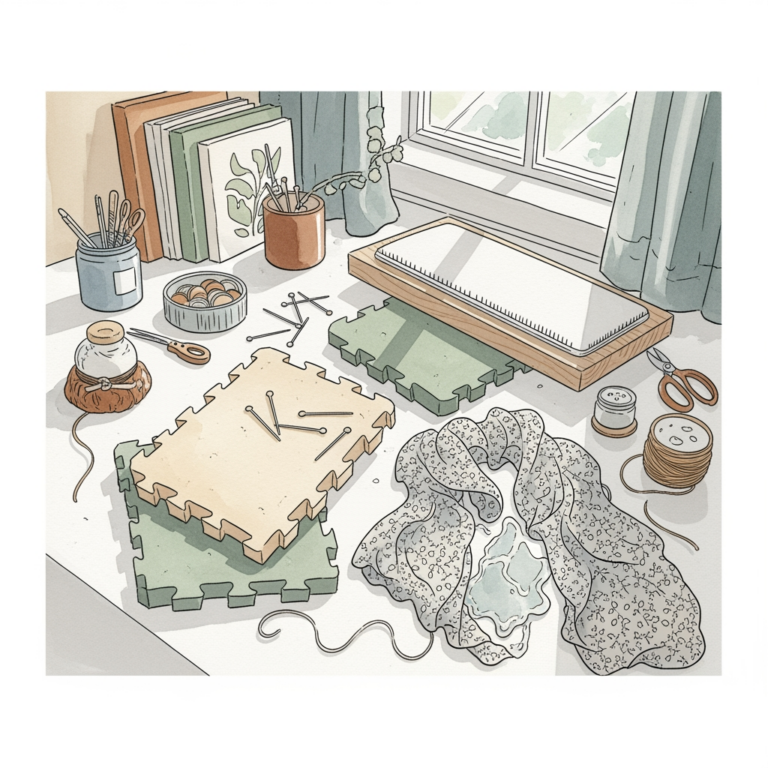
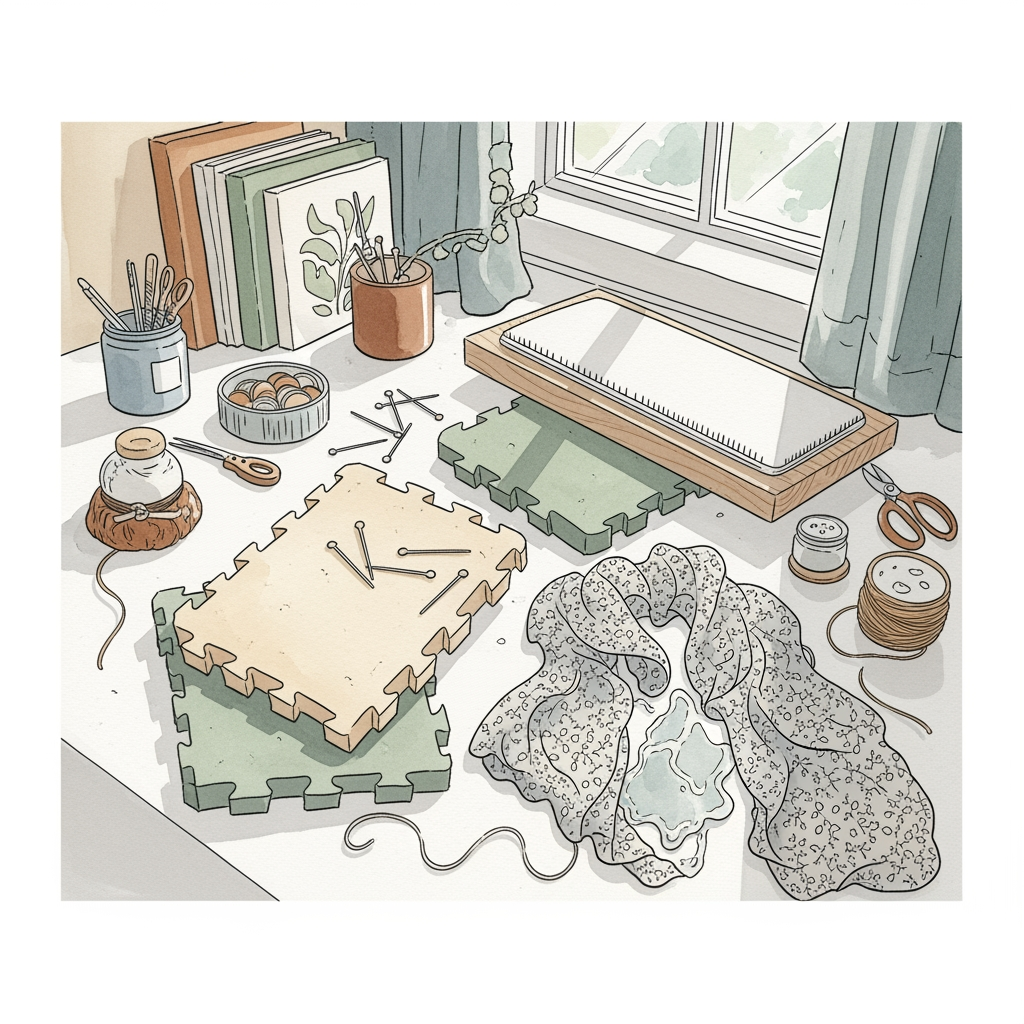
Blocking is the final step of the knitting process, where you shape your garment to its final dimensions. Always use a flat surface and a set of blocking mats, as this allows for proper airflow through the fabric.
When blocking, never stretch the fabric beyond its intended size. Instead, gently nudge it into the correct shape, using rust-proof pins to hold the edges in place.
Be mindful of the fiber type when blocking. Superwash wool, for example, has a tendency to grow significantly when wet, so you should handle it with extra care and avoid over-stretching.
Take your time with this step. Proper blocking transforms a lumpy, uneven piece of knitting into a professional-looking garment with perfect stitch definition.
Understanding PH Levels in Gentle Fiber Washes
Wool is a protein fiber, similar to human hair, and it thrives in a slightly acidic environment. Most high-quality wool washes are pH-balanced to keep the fiber scales closed and smooth.
If a detergent is too alkaline, it can damage the fiber, making it brittle and prone to breaking. This is why you should never use standard laundry detergents, which are often too harsh for delicate animal proteins.
When you choose a dedicated wool wash, you are choosing a product that respects the biology of the fiber. This keeps the yarn strong and elastic, allowing it to hold its shape over years of wear.
Check the labels of your favorite washes; if they mention being "pH-balanced," it is a sign of a high-quality, fiber-safe product.
How to Properly Store Your Hand-Knitted Garments
Storage is just as important as washing when it comes to long-term garment care. Never hang your heavy woolen sweaters on hangers, as the weight will cause them to lose their shape and develop "shoulder bumps."
Instead, fold your garments neatly and store them in breathable, cotton bags or archival-quality boxes. Avoid plastic bags, which can trap moisture and create a breeding ground for mildew.
For extra protection, include a cedar block or a sachet of dried lavender in your storage bin. These natural repellents help keep pests at bay without the harsh chemical smell of traditional mothballs.
Rotate your stored items occasionally to ensure they are clean and free of pests. A little bit of maintenance twice a year will keep your hand-knitted collection in pristine condition for a lifetime.
Taking the time to choose the right wash and caring for your garments with intention is the mark of a true fiber artist. By understanding how these solutions interact with your yarn, you ensure that every stitch you’ve labored over remains a beautiful, functional piece of art. Treat your wool with the same respect you gave it while it was on your needles, and it will reward you with years of comfort and warmth.