7 Best Ergonomic Handles For Manual Winding To Try
Upgrade your manual winding with these 7 ergonomic handles. Discover designs that reduce strain, improve grip, and boost efficiency for every daily task.
Winding yarn by hand is a meditative ritual for many, but it can quickly become a repetitive strain nightmare if your equipment isn’t up to the task. The difference between a smooth, ergonomic handle and a standard plastic crank is the difference between a relaxing evening of prep and a sore wrist that keeps you from your needles. In this guide, we’ll explore the best manual winders designed to save your joints while perfecting your yarn cakes. Choosing the right tool ensures your fiber is stored correctly without sacrificing your physical comfort.


Stanwood Needlecraft Large Metal Yarn Winder

This winder is the gold standard for those who handle large, bulky skeins regularly. Its heavy-duty metal construction provides a stability that plastic models simply cannot match, preventing the dreaded "wobble" that leads to tangled yarn.
The ergonomic handle is designed with a generous grip, allowing you to maintain a steady rhythm without cramping your fingers. Because it handles significant yardage, the smooth rotation is crucial for maintaining consistent tension, which prevents the yarn from stretching or losing its loft.
If you are a fan of hand-dyed wools that come in massive hanks, this is your best friend. It manages weight exceptionally well, ensuring that even the heaviest superwash merino doesn’t cause the gears to slip.
Knit Picks Yarn Ball Winder: Best Value Pick
For the knitter who is just starting to build their stash, this winder offers a perfect balance of affordability and functionality. It is lightweight and portable, making it an ideal choice for those who don’t have a dedicated craft room.
While the handle is smaller than professional-grade models, it is ergonomically shaped to fit comfortably in the palm. It requires less torque to turn, which is great if you are winding smaller portions of yarn for colorwork or sock heels.
Don’t let the price tag fool you; this winder is surprisingly durable if treated with care. Just be mindful not to force the crank if you encounter a knot, as the plastic components are less forgiving than metal ones.
Lacis Wooden Hand-Operated Yarn Winder Review

There is a distinct, tactile pleasure in using a wooden tool that feels like a natural extension of your knitting kit. The Lacis winder brings a classic aesthetic to your workspace while providing a very smooth, quiet winding experience.
The wooden handle is polished to a smooth finish, which is gentle on the skin during long winding sessions. Unlike plastic, wood offers a bit of natural friction that helps you maintain a steady, controlled pace, preventing the "runaway cake" effect.
This is an excellent investment for someone who appreciates heirloom-quality tools. While it requires a bit more maintenance to keep the wood in prime condition, the ergonomic feel of the handle is unmatched in its comfort.
U-nitt Heavy Duty Metal Yarn Ball Winder Tool
When you are dealing with high-friction fibers like cotton or linen, you need a winder that won’t buckle under the resistance. The U-nitt is built like a tank, featuring a robust gear system that makes winding even the most stubborn cordage feel effortless.
The handle is designed for a firm, ergonomic grip, which is essential when you have to apply extra pressure to keep the yarn taut. The metal construction ensures that the handle won’t flex or bend, providing reliable feedback as you wind.
This tool is a powerhouse for those who wind large quantities of yarn for home decor projects. It is a serious piece of equipment that rewards the user with consistent, perfectly shaped cakes every time.
Nancys Knit Knacks Heavy Duty Yarn Winder
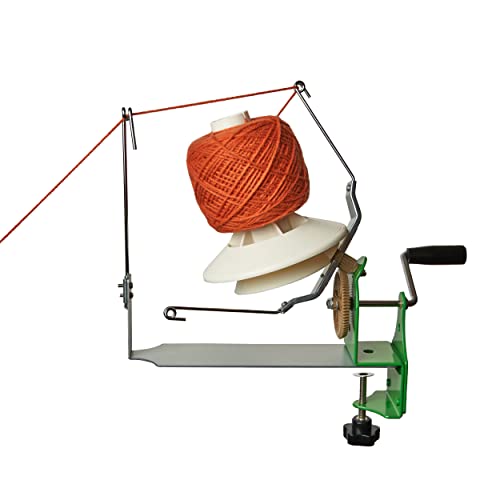
If you are a professional or a high-volume knitter, you understand that time spent winding is time away from your needles. This winder is engineered for speed and endurance, featuring a handle that is optimized for high-speed, low-effort rotations.
The ergonomics here are focused on reducing repetitive stress. The handle’s shape allows you to use your whole arm rather than just your wrist, which is a game-changer for those who suffer from occasional joint fatigue.
It is a significant investment, but the mechanical precision is evident in the final result. Your cakes will be uniform, stable, and ready to pull from the center without collapsing, even with slippery silk or mohair blends.
ChiaoGoo Hand-Operated Yarn Winder Features
ChiaoGoo is a brand synonymous with quality in the knitting world, and their winder lives up to that reputation. It is compact, efficient, and features a handle that is specifically contoured to prevent slipping.
The handle’s texture provides just enough grip to maintain control, even if your hands are a bit tired from a long day of knitting. It is particularly well-suited for winding delicate lace-weight yarns, where tension control is absolutely paramount.
I appreciate how this winder feels balanced in the hand. It doesn’t feel top-heavy, which means your wrist stays in a neutral position throughout the process.
Amish Style Wooden Yarn Swift and Winder Set
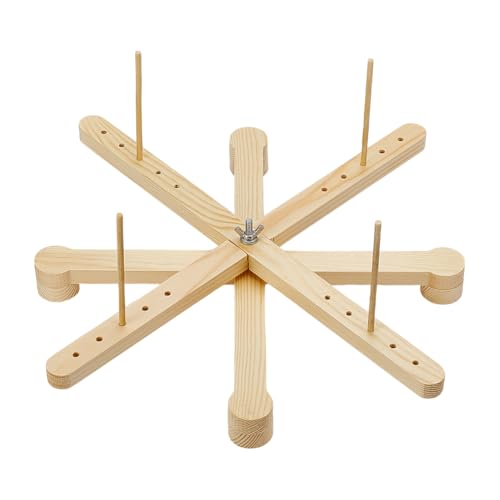
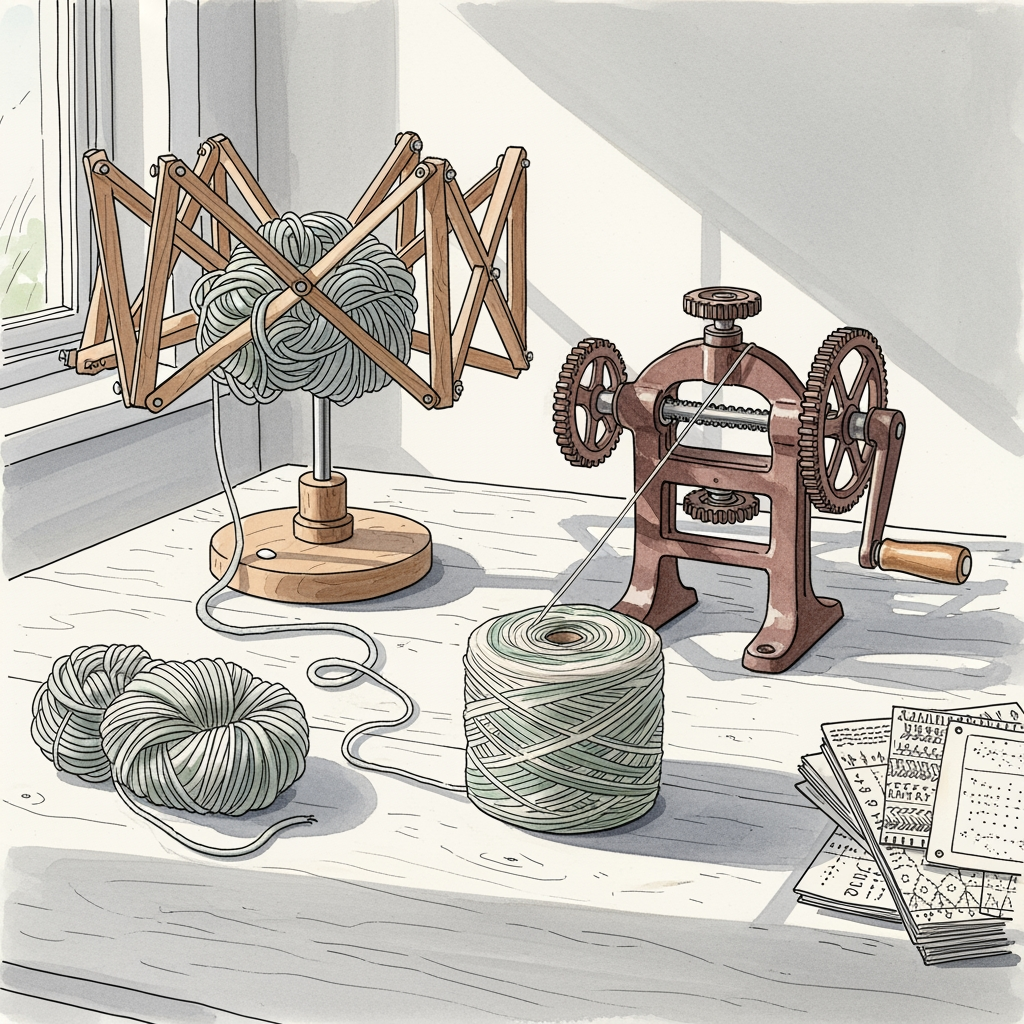
Often, the ergonomics of winding aren’t just about the handle, but the entire setup. This set includes a swift that rotates with zero resistance, allowing you to focus entirely on the winder’s handle.
The wooden handle on the winder is designed to be ergonomic for a wide variety of hand sizes. Because the swift does the heavy lifting of feeding the yarn, the winder handle requires very little force, making this an ideal setup for those with arthritis.
Using a matched set ensures that the speed of the swift and the winder are synchronized. This prevents the yarn from snapping or becoming over-stretched, protecting the integrity of your fiber.
Why Ergonomic Handles Matter for Hand Winding
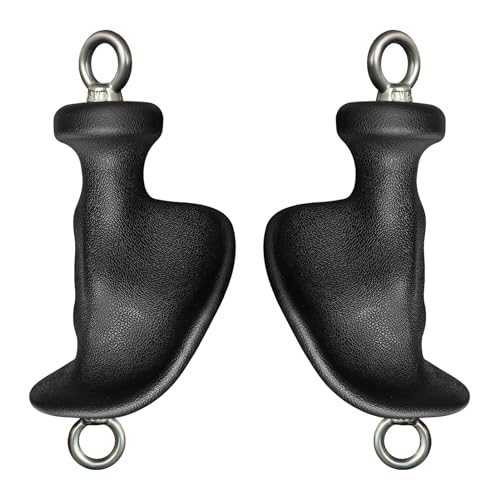
Hand winding is a repetitive motion that can easily lead to tendonitis if your tools are poorly designed. A good handle should allow your hand to remain in a neutral, relaxed position rather than a pinched or cramped grip.
When you choose an ergonomic handle, you are choosing to prioritize your longevity as a knitter. You want to be able to wind a full sweater’s worth of yarn without needing to ice your wrist afterward.
Remember that "ergonomic" doesn’t just mean a rubber grip; it means a handle that fits the natural arc of your hand. Pay attention to the diameter and the length of the crank; if it feels like you are straining to reach or grip it, it will eventually cause discomfort.
Tips for Maintaining Your Manual Yarn Winder
A well-maintained winder is a long-lasting winder. Regularly check the gears for any stray yarn fibers that may have worked their way into the mechanism, as these can cause friction and eventually damage the plastic or metal teeth.
If your winder has moving metal parts, a tiny drop of sewing machine oil can keep the rotation buttery smooth. For wooden winders, a light rub with a wood conditioner will keep the handle from drying out or splintering over time.
Always store your winder in a clean, dry place. Dust and grit can act as an abrasive inside the gear housing, which will quickly degrade the smooth operation of your handle.
Troubleshooting Common Yarn Winding Problems
If your yarn cake is coming out lopsided, check your tension guide first. Often, the problem isn’t the handle, but the angle at which the yarn is entering the winder; ensure the yarn is feeding smoothly from the swift.
If the handle feels "sticky" or jerky, stop immediately and inspect the gears. Forcing a stuck winder is the fastest way to break the handle or strip the internal teeth, rendering the tool useless.
If you find that your cakes are collapsing, you are likely winding too loosely or too quickly. Slow down your cranking speed and ensure the yarn is feeding with a consistent, light tension to create a firm, stable cake.
Investing in a manual yarn winder with an ergonomic handle is a small change that yields massive benefits for your physical comfort and the quality of your yarn storage. By selecting a tool that aligns with your specific knitting habits and fiber preferences, you ensure that your prep work is just as enjoyable as the knitting itself. Take the time to find the handle that feels right in your hand, and your wrists will thank you for years to come. Happy winding, and may your cakes always pull from the center without a hitch.