6 Best Skein Labels For Fiber Organization To Try
Organize your yarn stash efficiently with these 6 top-rated skein labels. Discover durable, stylish options to keep your fiber projects orderly and accessible.
Every knitter eventually faces the "mystery yarn" dilemma, where a beautiful, unlabeled ball of wool leaves you guessing about its fiber content or weight. Proper labeling isn’t just about neatness; it is the difference between a successful project and a heartbreaking frogged mess. By implementing a consistent system, you protect your investment and ensure your future self can easily match gauge. These tools turn chaotic yarn stashes into organized, accessible libraries of potential.
KnitPicks Yarn Ball Winder Labels: Best Overall
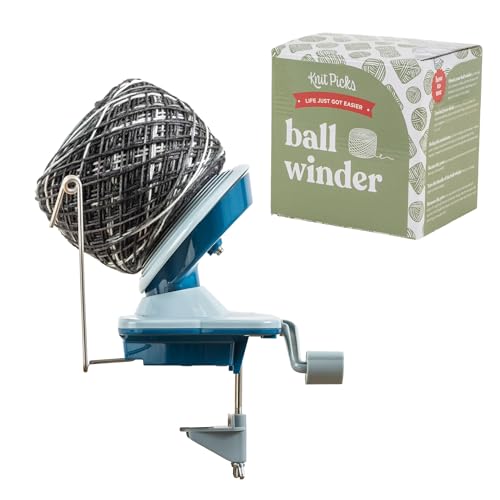

These labels are designed specifically to slide onto the center of a wound yarn cake. They provide a clean, dedicated space to jot down the yarn brand, colorway, and dye lot number.
For those who rely on a ball winder to keep yarn from tangling, these are a game-changer. They stay securely in place within the center hole, preventing the label from getting lost in your project bag.
The primary tradeoff here is that they are paper-based and can tear if handled roughly. However, for a low-cost, effective solution that integrates perfectly with your existing winding workflow, they are hard to beat.
Cocoknits Kraft Yarn Skein Tags: Best Reusable

Cocoknits has mastered the art of functional, eco-friendly knitting accessories. These kraft paper tags are designed to be attached to your yarn with a simple looped string or a stitch marker.
Because they are durable and reusable, they are perfect for long-term stash management. You can write on them with a pencil and erase the information later if you decide to swap the yarn into a different project.
They offer a tactile, professional look that appeals to makers who value aesthetic consistency. While they require a moment of effort to attach, the ability to reuse them makes them a sustainable choice for the conscious knitter.
Namaste Maker’s Yarn Clips: Best for Projects
These clips are essentially heavy-duty, stylized clothespins that grip your yarn label or a piece of scrap paper directly to the skein. They are robust enough to hold onto bulky, thick-plied wools without slipping off.

If you are working on a large sweater project with multiple skeins, these clips keep your information front and center. You won’t have to hunt for a stray paper label at the bottom of your project bag while you’re in the middle of a complex lace pattern.
The downside is that they can be slightly bulky if you are packing for travel. If you prefer a minimalist kit, these might feel like overkill, but for home storage, they provide unmatched security.
Della Q Canvas Skein Labels: Best for Storage
Della Q is known for high-quality construction, and these canvas labels are no exception. They are designed to last, resisting the wear and tear that usually destroys paper labels over time.
These are an investment piece for the serious collector who wants to organize their stash for years to come. The canvas material is sturdy, and the design allows for pinning or clipping onto yarn cakes or hanks.

While they are more expensive than disposable options, they offer a premium, organized feel. If you have an extensive collection of luxury fibers, these labels ensure your information doesn’t fade or disintegrate.
Clover Yarn Tagging Clips: Best for Beginners
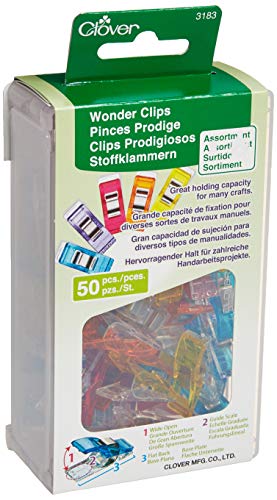
Clover’s tagging clips are simple, intuitive, and incredibly easy to use. They function like a secure plastic tag that locks onto your yarn, ensuring the label stays with the fiber throughout the entire project lifespan.
These are perfect for beginners who might be intimidated by complex organization systems. You don’t need special pens or storage containers; you just clip and go.
The plastic construction is virtually indestructible, meaning you don’t have to worry about moisture or humidity affecting your labels. They are a reliable, no-nonsense tool that does exactly what it promises without any fuss.
Tulip Knitter’s Skein Markers: Best Precision
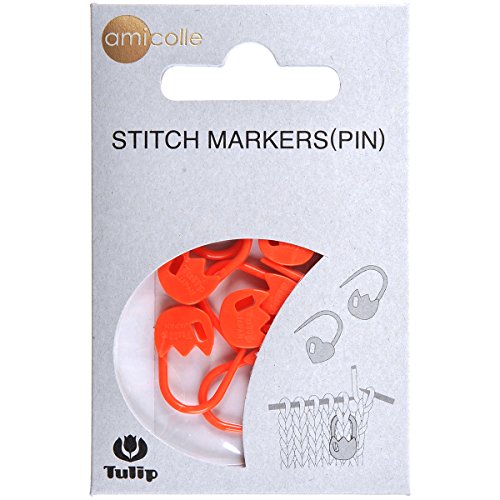
Tulip is renowned for its high-end crafting tools, and their markers offer a level of precision that other brands miss. These are ideal for markers that need to stay attached without snagging on delicate fibers like silk or mohair.
If you are working with fine-gauge yarn or intricate colorwork, you need a label that won’t distort the yarn or create tension issues. These markers are lightweight and unobtrusive.
They are best suited for the detail-oriented knitter who wants a clean, professional finish. While they are a bit more specialized, the quality of the material ensures they won’t damage your most expensive skeins.
Why Proper Skein Labeling Saves Your Stash Time
Every knitter has experienced the frustration of finding a beautiful, half-used ball of yarn and having no idea what the fiber content is. Without a label, you are left guessing whether it is a machine-washable superwash wool or a delicate hand-wash-only fiber.
Labeling saves you from the "swatch test" of shame. When you know exactly what you have, you can plan your next project with confidence, knowing the yardage and weight match your pattern requirements.
Consistency is the secret to a stress-free stash. If you label every skein the moment it enters your home, you eliminate the mental load of trying to remember details weeks or months later.
How to Organize Yarn by Fiber and Weight Class
Organizing by fiber type is essential because different fibers behave differently under tension and heat. Grouping your superwash wools, alpaca blends, and plant fibers separately helps you choose the right material for the right project.
Weight class—measured in WPI (wraps per inch)—is the next logical step. By grouping yarns by their thickness, you can quickly find a substitute if you are short on yarn for a specific pattern.
- Group by Weight: Lace, Fingering, DK, Worsted, Bulky.
- Group by Fiber: Animal (wool, alpaca), Plant (cotton, linen), Synthetic.
- Keep Samples: Always keep a small swatch of the fiber if you are unsure of its origin.
Essential Tips for Preventing Yarn Tangling
The best way to prevent tangling is to ensure your yarn is wound into a center-pull cake or a neat hank. If you are working from a ball, use a yarn bowl or a yarn butler to keep the tension consistent and the ball stationary.
Always secure your yarn ends. A loose end is the primary cause of a "yarn barf," where the center of your ball collapses and creates a massive, knotted nest.
If you are traveling, place your yarn in a dedicated project bag with a divider. Keeping the yarn separate from your needles and scissors prevents the fibers from catching on sharp edges and creating snags.
Best Practices for Long Term Yarn Preservation
Natural fibers are susceptible to moth damage and environmental degradation. Always store your yarn in airtight bins, and consider adding cedar blocks or lavender sachets to discourage pests.
Keep your stash out of direct sunlight to prevent color fading, especially with natural dyes. Temperature fluctuations can also affect the elasticity of your yarn, so store it in a cool, dry place.
Finally, rotate your stash regularly. Moving the skeins around prevents compression, which can permanently flatten the loft of high-quality wools.
Taking the time to label and organize your yarn is an act of respect for your craft and your materials. By choosing the right tools for your specific needs, you transform your stash from a source of confusion into a well-curated library. Remember that the best system is the one you actually use consistently. Start small, stay organized, and enjoy the peace of mind that comes with knowing exactly what is on your needles.