7 Best Wool Scouring Supplies For Raw Fiber Essentials
Master raw fiber processing with our guide to the 7 best wool scouring supplies. Learn which essential tools and detergents ensure clean, ready-to-spin wool.
Processing raw fleece is a transformative experience that turns a dusty, grease-laden bag of wool into the soft, lofty yarn of your dreams. Choosing the right scouring agent is the most critical step in ensuring your finished garment doesn’t end up sticky or prone to premature wear. Whether you are prepping a fine Merino or a sturdy Highland breed, the chemistry you use today dictates the drape and longevity of your future projects. This guide breaks down the best supplies to help you achieve a professional, pristine clean every time.
Unicorn Power Scour: Best Overall Fiber Cleaner


Unicorn Power Scour is widely considered the gold standard for removing heavy lanolin without stripping the fiber’s natural integrity. It is highly concentrated, meaning a little goes a long way, which is a blessing when you are processing a massive 10-pound fleece.
The formula is specifically engineered to suspend dirt and grease in the water so they don’t redeposit onto the fiber. If you’ve ever finished a wash only to find the wool feels "tacky" or sticky, it’s usually because the grease wasn’t fully emulsified.
Bottom line: If you want a foolproof, one-step solution that handles even the greasiest breeds like Corriedale or Rambouillet, this is your best investment.
Orvus WA Paste: The Professional Standard Choice
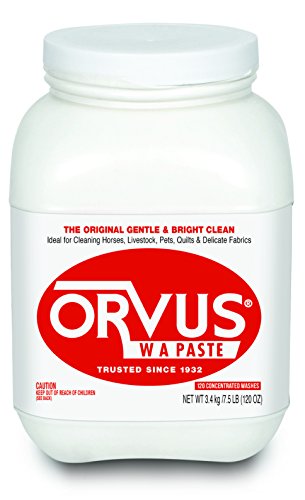
Orvus WA Paste is a legendary surfactant that has been used in the textile industry for decades. It is an incredibly powerful cleaner that cuts through grime with surgical precision, making it a favorite among serious hand-spinners.
Because it is a paste, you must dissolve it thoroughly in hot water before adding your wool. If you drop a clump of concentrated paste directly onto your fleece, you risk uneven cleaning or localized residue that is difficult to rinse out.
Bottom line: It is the most economical choice for high-volume scouring, but it requires careful measuring and prep to ensure the best results.
Eucalan Delicate Wash: Best for Gentle Scouring

Eucalan is often associated with blocking finished lace shawls, but it is excellent for scouring finer, cleaner fleeces. It contains lanolin, which helps replenish the fiber’s natural suppleness after the harsh cleaning process.
This is not the best choice for a filthy, barn-floor-fresh fleece, as it lacks the aggressive degreasing power of heavier detergents. However, for breeds with minimal grease or for a final "conditioning" wash, it is unmatched.
Bottom line: Use Eucalan when you want to preserve the soft hand of the fiber and avoid the "stripped" feeling that stronger detergents can sometimes leave behind.
Dawn Ultra Concentrated: Best Budget Degreaser
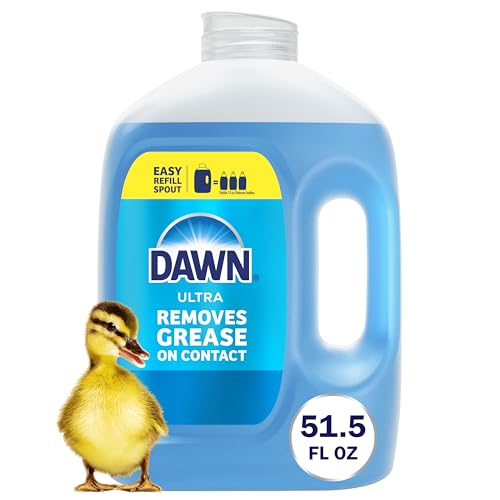
Every knitter has a bottle of blue Dawn under their sink, and it turns out to be a surprisingly effective tool for degreasing raw wool. Its primary function is to break down oils, which makes it a high-performance, accessible option for beginners.
The tradeoff here is that Dawn is designed for dishes, not animal fibers. If you use too much, it can be notoriously difficult to rinse out, and it lacks the pH-balancing properties found in products specifically formulated for wool.
Bottom line: It is a fantastic, readily available option for your first few experimental fleeces, but use it sparingly to avoid a sudsy nightmare during the rinsing phase.
Kookaburra Wool Wash: Top Eco-Friendly Option
Kookaburra is a tea-tree oil-based cleaner that is biodegradable and gentle on both your hands and the environment. It is a fantastic choice if you are scouring in a home setting where the greywater is going into your garden or septic system.
Beyond its eco-credentials, it is excellent at removing the "sheepy" odor that can linger in raw fleeces. It doesn’t strip the fiber, but it does a thorough job of refreshing the wool.
Bottom line: If you prioritize sustainability and want a product that smells fresh rather than clinical, Kookaburra is the clear winner.
Soak Wash: Best Rinse-Free Cleaning Solution
Soak is the ultimate "low-effort" cleaner, primarily because it requires no rinsing. For a knitter with limited space, the ability to skip the three-to-four-tub rinsing cycle is a massive advantage.
While it is perfect for finished items, it can be used for scouring cleaner, pre-sorted locks. It is incredibly gentle, making it ideal for luxury fibers like Angora or fine-micron Merino that might be damaged by aggressive agitation.
Bottom line: Use Soak when you have high-quality, relatively clean fiber and you want to save time and water.
Synthrapol Detergent: Best for Heavy Grease

Synthrapol is a professional-grade wetting agent often used by fiber artists who dye their own yarn. It is designed to keep dyes and dirt in suspension, ensuring that your fiber is perfectly prepared for the dye pot.
This is a heavy-duty cleaner that is not meant for delicate, everyday washes. It is the "nuclear option" for a fleece that is heavily contaminated with vegetable matter or extreme grease.
Bottom line: If your end goal is dyeing your own colorways, Synthrapol is the industry standard for creating a perfectly clean, absorbent canvas.
Essential Tools for Processing Raw Wool Fleeces
Beyond the detergent, your success depends on having the right hardware. You will need at least two large tubs—one for the wash and one for the rinse—to ensure you aren’t moving dirty water back onto your clean fiber.
A mesh laundry bag or a specialized scouring bag is also a lifesaver. These keep the locks contained, preventing them from tangling into a giant, unmanageable mat during the agitation process.
Key tools to have on hand:
- Large, food-grade plastic bins (for soaking and rinsing)
- A thermometer (crucial for maintaining water temperature)
- Mesh laundry bags (to prevent tangling)
- A sturdy drying rack (for even airflow)
Temperature Control Tips for Scouring Wool Safely
Temperature is the silent enemy of raw wool. You want the water hot enough to melt the lanolin—usually between 140°F and 160°F—but never boiling.
If your water is too cold, the lanolin will simply harden back onto the fiber, leaving it sticky. If the water is too hot, you risk damaging the scales of the fiber or, worse, causing the fleece to felt in the tub.
Pro-tip: Always add the detergent to the hot water first and mix it thoroughly before adding the wool. This prevents hot spots and ensures the cleaning agent is evenly distributed.
How to Prevent Felting During the Scouring Process
Felting is caused by a combination of heat, moisture, and agitation. When you are scouring, you must treat the wool like a delicate silk blouse: never scrub, rub, or wring it.
Instead, use a gentle "pressing" motion to submerge the wool. When moving the fiber from the wash tub to the rinse tub, lift it carefully in sections or use a mesh bag to support its weight.
The golden rule: Never let the temperature of your rinse water drop more than 10 degrees from your wash water. Sudden temperature shocks cause the fiber scales to lock together, which is the primary cause of accidental felting.
Scouring your own fleece is a rewarding journey that connects you deeply to the origin of your craft. By selecting the right detergent and respecting the delicate nature of the fiber, you ensure that every ounce of wool is ready for carding, combing, or spinning. Take your time with the process, keep your temperature stable, and enjoy the satisfaction of working with a material you’ve prepared yourself. Happy spinning and may your fleeces always be clean and soft.