7 Best Weaving Combs For Packing Weft Worth Owning
Discover the 7 best weaving combs for packing weft. This guide evaluates top tools to help you achieve consistent tension and professional-grade tapestry work.
Achieving a consistent, professional-looking fabric on a loom relies heavily on how effectively you pack your weft. A quality weaving comb isn’t just an accessory; it is the primary tool for controlling your tension and ensuring your picks are evenly spaced. Whether you are working with delicate lace-weight wool or sturdy cotton, the right comb makes the difference between a messy web and a clean, structural weave. Investing in a reliable beater or packing comb will elevate your craft and save you hours of corrective frustration.
Schacht Spindle Company 6-Dent Maple Beating Comb


This comb is a workhorse for those who favor medium-to-heavy weight yarns. The maple construction offers a smooth, snag-free surface that glides through warp threads without causing unnecessary friction.
Because it features a 6-dent spacing, it is perfectly calibrated for standard worsted or chunky weight projects. It offers enough weight to provide a satisfying "thwack" against the fell line, which is essential for achieving a firm, balanced weave.
If you are a weaver who struggles with uneven beat, the heft of this maple tool will help you maintain a consistent rhythm. It is a reliable, no-nonsense choice that holds up under the pressure of daily studio use.
Ashford Traditional Hardwood Weaving Beater Comb

Ashford has long been the gold standard for accessible, high-quality weaving equipment. This hardwood beater is designed to be ergonomic, fitting comfortably in the hand during long sessions at the loom.
The wood is finished to a high degree of smoothness, which is critical when working with delicate fibers like alpaca or mohair that tend to catch on rough surfaces. It is lightweight enough that it won’t cause hand fatigue, yet sturdy enough to pack weft firmly.
I often recommend this to beginners because it is incredibly forgiving. It won’t damage your warp, and its simple design allows you to focus on your pattern rather than managing the tool itself.
Leclerc 10-Dent Stainless Steel Weaving Comb

When your project demands precision, such as fine-gauge linen or intricate tapestry, stainless steel is your best friend. This 10-dent comb provides a much finer packing density than wooden counterparts.
The steel construction means the teeth are thinner and more rigid, allowing you to get into tighter sheds without distorting the warp. It is particularly effective for high-PPI (picks per inch) projects where you need to pack the weft very tightly.
Keep in mind that steel is heavier and less "warm" than wood. If you are working on a delicate silk project, be mindful of the pressure you apply, as the unforgiving nature of the metal can occasionally cause thread breakage if you are too aggressive.
Kromski Polished Beech Wood Packing Comb Tool

Kromski tools are known for their beautiful finish, and this beech wood packing comb is no exception. It is a versatile, mid-sized tool that feels like an extension of your own hand.
The polished surface is exceptionally slick, which helps in preventing static buildup—a common annoyance when working with synthetic or high-twist wool yarns. It handles beautifully and provides a gentle but effective beat.
This is an excellent "all-rounder" for the weaver who switches between different types of looms. Its design is compact enough to fit into a project bag, making it my top pick for weavers who take their work to workshops or guilds.
Glimakra Heavy Duty Viking Style Beating Comb

For those who weave heavy rugs or wall hangings, a standard comb just won’t cut it. The Glimakra Viking style comb is built for serious, high-tension work where you need to force the weft into place.
The teeth are deep and widely spaced, allowing you to move through thick, bulky yarns with ease. It feels substantial in the grip, providing the leverage necessary to pack heavy wool or rag strips tightly against the fell.
Using a tool this heavy takes some practice to avoid snapping warp threads. Start with a light touch, and only increase your force once you have a feel for the resistance of your specific yarn.
Louet Wooden Weaving Comb for Rigid Heddle Looms
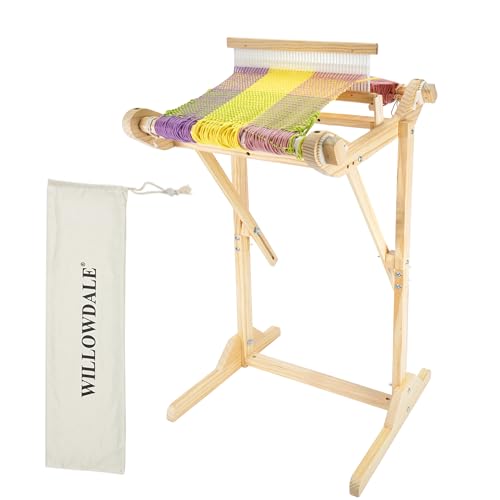
Rigid heddle weavers often face the challenge of limited space between the heddle and the front beam. Louet’s wooden comb is specifically engineered to fit into these tight working environments.
It is lightweight and slim, making it easy to maneuver in the narrow gaps characteristic of table-top looms. The wood is finished well, ensuring it won’t snag on even the most textured handspun yarns.
If you find yourself frustrated by bulky tools that hit your frame or heddle, this is the solution. It is a simple, effective tool that prioritizes maneuverability over sheer force.
Harrisville Designs Fine-Toothed Weaving Comb
Harrisville Designs understands the needs of traditional weavers who value American-made durability. Their fine-toothed comb is ideal for projects that require a delicate hand and precise thread manipulation.
The teeth are spaced closely together, which makes it excellent for correcting minor spacing errors in your shed. It’s a tool that rewards patience; use it to gently nudge individual threads into alignment rather than trying to force the entire row at once.
This is a fantastic tool for finishing work, such as tucking in ends or adjusting the tension of a decorative inlay. It is a specialized piece that every serious weaver should have in their kit for those final, detail-oriented steps.
How to Choose the Right Comb for Your Weft Style
Choosing a comb is ultimately about matching the tool’s density to your yarn’s weight and your project’s goals. A general rule of thumb is that the thicker your yarn, the wider the spacing (dents) you need.
- Bulky/Rug yarns: Use a 4-6 dent comb for maximum clearance.
- Worsted/DK yarns: A 6-8 dent comb provides the best balance of force and control.
- Fingering/Lace yarns: Opt for a 10+ dent comb to ensure even packing without distortion.
Consider the "feel" of your project. If you want a loose, airy weave, you need a comb that allows for gentle packing. If you are aiming for a warp-faced fabric or a dense tapestry, you need a tool that can handle higher physical resistance.
Wood vs Metal: Selecting Your Ideal Weaving Comb
The choice between wood and metal comes down to the friction coefficient and your personal tactile preference. Wood is generally warmer, more forgiving, and less likely to cause sudden damage to delicate fibers.
Metal, however, offers superior durability and the ability to manufacture thinner teeth for high-density weaving. If you are working with sticky, high-friction fibers like raw cotton or linen, metal can glide through the warp more easily than wood.
Ultimately, most experienced weavers end up owning both. Use wood for your everyday wool and cotton projects, and save the metal combs for your fine-gauge or high-tension applications where precision is paramount.
Essential Maintenance Tips for Your Weaving Tools
Your weaving comb is an investment, and like any tool, it requires regular care to perform at its best. If you use a wooden comb, apply a light coat of food-grade mineral oil or wax once or twice a year to prevent the wood from drying out or splintering.
Always store your combs in a dry place to prevent warping or rust. If you notice a rough spot or a splinter on a wooden comb, use a very fine-grit sandpaper to gently smooth it down before it snags your warp.
For metal combs, keep them clean of any fiber buildup or sizing residue. A quick wipe with a soft cloth after each project will keep the teeth slick and prevent any corrosion from accumulating over time.
Selecting the right weaving comb is a journey of understanding how your tools interact with your specific fiber choices. By matching the dent size to your yarn weight and choosing the material that suits your weaving style, you will achieve far more consistent results. Don’t be afraid to experiment with different combs to find the one that feels most natural in your hand. Happy weaving, and may your fell line always remain perfectly straight.