7 Best Wooden Shuttles For Delicate Silk Fibers
Choose the right tool for your loom. We evaluate seven wooden shuttles designed to protect delicate silk fibers from snagging, ensuring smooth weaving results.
Weaving with silk is a dance of patience and precision, where the choice of shuttle can make or break the integrity of your delicate warp. When working with fine, slippery fibers, the weight and surface finish of your shuttle are just as critical as your loom’s tension. A poorly crafted tool can snag, fray, or snap your silk threads, turning a luxurious project into a frustrating tangle. Choosing the right wooden shuttle ensures your silk glides through the shed with the grace it deserves.
Schacht Slim Boat Shuttle: The Precision Choice


When you are working with a narrow shed, the Schacht Slim Boat Shuttle is a revelation. Its low profile allows it to pass through tight openings without catching on fragile silk warp threads.
Because it is remarkably thin, it doesn’t displace as much tension as bulkier shuttles. This is vital when working with silk, as sudden shifts in tension can lead to uneven selvedges or broken threads.
The trade-off here is capacity; the slim design holds less yarn than a standard boat shuttle. You will find yourself refilling the bobbin more frequently, but the trade-off in control is well worth the extra time.
Ashford End-Feed Shuttle: Best for Even Tension
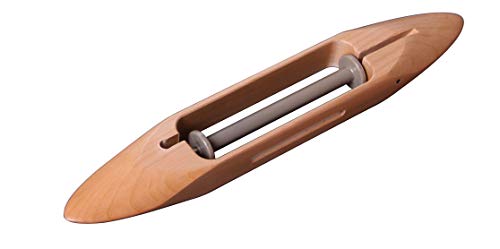
The Ashford End-Feed Shuttle is designed to provide a constant, controlled release of yarn. For silk, which can be notoriously "bouncy" and prone to tangling, this mechanical consistency is a game-changer.
Unlike a standard shuttle where the bobbin spins freely, the end-feed mechanism keeps the silk under gentle tension until it leaves the shuttle. This prevents the "looping" that often happens when a bobbin unwinds too quickly.
This tool is particularly helpful if you are prone to pulling your selvedges too tight. By regulating the feed, it ensures your silk lies flat across the web without unnecessary stretching.
Leclerc Boat Shuttle: Ideal for Silk Weaving
Leclerc has long been the gold standard for many weavers, and their boat shuttles are no exception. These are crafted with a classic, balanced shape that feels natural in the hand during long weaving sessions.
The wood is polished to a glass-like finish, which is essential for silk. Any microscopic burr on a shuttle can catch a fine silk strand, leading to a "fuzzy" patch in your fabric that is impossible to hide.
These shuttles are slightly heavier than some modern alternatives, which helps them glide through the shed with momentum. If you find your shuttle is bouncing or snagging, the added weight of a Leclerc can provide the stability you need.
Kromski Wooden Shuttle: The Lightweight Favorite
If you weave for hours on end, the weight of your tools starts to matter significantly. The Kromski wooden shuttle is prized for its feather-light construction, which reduces fatigue in your wrists and hands.
Because silk is so lightweight, a heavy shuttle can sometimes feel like overkill. Using a lighter shuttle allows you to develop a more rhythmic, delicate "throw" that matches the nature of the fiber.
Be mindful that lighter shuttles require a bit more accuracy when throwing. If your aim is slightly off, a lighter shuttle is more likely to deflect off the warp rather than sliding cleanly through.
Harrisville Designs Shuttle: Best for Beginners

Harrisville Designs produces tools that are straightforward, durable, and highly functional. Their shuttles are perfect for those who are just beginning to explore the nuances of weaving with silk.
They prioritize a smooth, snag-free surface, which is the most important feature for any silk project. You won’t find unnecessary bells and whistles here, just a solid tool that does exactly what it is supposed to do.
If you are new to silk, don’t overcomplicate your setup. Starting with a reliable, well-sanded wooden shuttle allows you to focus on your tension and beat rather than fighting with your equipment.
Louet Slimline Shuttle: The Ergonomic Selection
The Louet Slimline is designed with the weaver’s comfort in mind. Its ergonomic shape fits snugly into the palm, reducing the strain that can build up when you are weaving intricate patterns with fine silk.
The slim profile is excellent for multi-shaft looms where the shed might be restricted. It navigates through dense warps with minimal friction, preserving the sheen and luster of your silk threads.
While the design is modern, it retains the warmth and tactile satisfaction of traditional wood. It is a fantastic bridge between old-world craftsmanship and modern ergonomic necessity.
Glimakra Boat Shuttle: The Professional Standard
Glimakra shuttles are built for the serious weaver who demands perfection. They are incredibly well-balanced, providing a smooth, predictable flight across the loom time after time.
When working with expensive, high-luster silk, you want a tool that you can trust implicitly. The Glimakra’s precision engineering ensures that it won’t snag your warp or cause uneven tension, even in the most complex weave structures.
These are an investment, but for a project that might take months to complete, they are worth every penny. You are essentially paying for the peace of mind that your tools won’t compromise your fiber.
Why Wood Matters for Delicate Silk Fibers
Wood is inherently superior to plastic or metal when working with silk because of its ability to hold a finish. Silk is a protein fiber that can be easily abraded; wood, when properly finished, provides a surface that is both smooth and slightly "grippy."
- Natural Texture: Wood has a microscopic grain that, when polished, creates a surface silk glides over without static buildup.
- Weight Balance: Wooden shuttles offer a natural weight-to-size ratio that feels intuitive during the throwing motion.
- Temperature: Unlike metal, wood stays at room temperature, preventing the fiber from reacting to the heat of your hands.
Ultimately, wood allows the silk to "breathe" as it passes through the shed. It is the most forgiving material for a fiber that is as strong as steel but as delicate as a spiderweb.
How to Properly Sand and Finish Your Shuttles
Even the best shuttle will eventually develop a rough spot. If you notice your silk snagging, it is time to perform a little maintenance with high-grit sandpaper.
- Sand: Use 400-grit or higher sandpaper to gently smooth out any burrs.
- Clean: Wipe away all dust with a tack cloth or a clean, dry rag.
- Finish: Apply a light coat of high-quality furniture wax or a specialized wood oil.
- Buff: Once the wax is dry, buff it with a soft cloth until the surface is smooth and matte.
Never use a finish that is sticky or tacky, as this will attract dirt and eventually catch your silk. A well-maintained shuttle should feel like silk against silk.
Essential Tips for Maintaining Wooden Tools
Treat your shuttles like the precision instruments they are. Keep them away from extreme heat or humidity, which can cause the wood to warp or crack over time.
- Store Flat: Always store your shuttles on a flat surface to prevent bowing.
- Check the Bobbin: Ensure your bobbin spins freely; a stuck bobbin will cause uneven tension and potentially snap your silk.
- Mind the Edges: Regularly run your fingers over the edges of your shuttle to check for nicks.
If you are not using your loom for a while, store your shuttles in a dedicated box to protect them from dust and damage. A little care now will ensure your favorite shuttle lasts for decades of weaving.
Selecting the right shuttle for your silk project is a balance of ergonomics, weight, and surface finish. By focusing on tools that prioritize smooth movement and consistent tension, you protect the delicate nature of your silk fibers. Remember that even the finest tool requires regular maintenance to keep your weaving experience seamless. With the right shuttle in hand, you can focus entirely on the artistry of your pattern and the beauty of your weave.