6 Best Wooden Needles For Delicate Fibers Reviewed
Explore our top six wooden needles for delicate yarns. We review durability, grip, and finish to help you choose the perfect tools for your fiber projects.
Knitting with delicate fibers like silk, angora, or fine alpaca requires a needle that provides just the right amount of friction to keep stitches from sliding away. Wood needles offer a warmth and tactile feedback that metal simply cannot replicate, making them the gold standard for luxury yarns. Choosing the right pair can transform a frustrating, slippery project into a meditative experience. Here are the best wooden options to elevate your craft and protect your precious materials.
Lykke Driftwood Interchangeables: Best Overall


Lykke Driftwood needles are the workhorse of the serious knitter’s collection, combining a stunning aesthetic with incredible utility. The birch wood is smoothed to perfection, offering a surface that is neither too slick nor too sticky.
These interchangeables are particularly excellent for those who switch between projects frequently. The join between the needle and the cable is seamless, preventing the dreaded "snag" that often ruins delicate mohair or hand-dyed singles.
If you are working on a complex lace shawl where precision is paramount, the sharp, tapered tips provide excellent stitch definition. They strike the perfect balance for a wide variety of yarn weights, making them a reliable investment for your stash.
Knitter’s Pride Ginger Needles: Best Ergonomics

If you find yourself knitting for hours on end, the Knitter’s Pride Ginger line is designed specifically with your comfort in mind. These needles are crafted from a warm, tinted wood that feels soft against the skin, reducing the hand fatigue often associated with heavier metal needles.
The ergonomic design is subtle but effective, allowing for a more natural grip during long sessions. For knitters who struggle with tension or hand pain, the lightweight nature of these needles can be a total game-changer.
The finish is slightly more matte than other wooden options, which provides just enough "grab" for slippery fibers like bamboo or silk blends. While they aren’t the fastest needles on the market, they are arguably the most comfortable for long-term projects.
Lantern Moon Ebony Needles: Best Luxury Option

Lantern Moon Ebony needles are the height of sophistication, crafted from sustainably sourced, dark, liquid-silk-finished ebony. They are incredibly dense and smooth, offering a tactile experience that feels more like handling a fine tool than a simple knitting supply.
The dark color provides a beautiful contrast against light-colored yarns, making it much easier to see your stitch placement. This is a massive advantage when working with intricate cabling or delicate lace patterns where every loop counts.
Because of their premium nature, these needles are an investment piece. They are best reserved for your most special projects, such as a hand-spun cashmere sweater or a delicate silk scarf that deserves a luxury touch.
KnitPicks Caspian Wood: Best Value Selection

KnitPicks Caspian needles are a favorite among knitters who want high-quality performance without the premium price tag. The mesmerizing blue and green laminate wood is not only attractive but also incredibly durable and resistant to warping.
These needles offer a smooth finish that allows for consistent stitch movement while maintaining enough grip to keep your yarn from jumping off the tips. They are an excellent choice for a knitter building their first set of interchangeable needles.
The tips are sharp enough for lace work but rounded enough that they won’t split plied wools. If you are looking for a reliable, everyday needle that handles everything from worsted weight wool to fine lace, this is your best starting point.
Clover Takumi Bamboo Needles: Best for Beginners
Clover Takumi bamboo needles are the industry standard for a reason: they are consistent, lightweight, and incredibly forgiving. For a beginner, the natural grip of bamboo helps prevent dropped stitches, which is the most common source of frustration during the learning process.
The bamboo surface is porous, which means it develops a lovely patina over time as it absorbs the natural oils from your hands. This process actually makes the needles smoother and more "yours" the more you use them.
Because they are so lightweight, they are perfect for teaching children or anyone with limited dexterity. While they may not be the fastest needles for speed-knitting, they provide the control needed to master basic stitches with confidence.
Addi Olive Wood Needles: Best Smooth Finish

Addi Olive Wood needles are a unique entry in the wooden needle market, featuring a hard, naturally polished surface that feels remarkably like glass. They are crafted from olive wood, which is naturally dense and resistant to wear, ensuring they stay smooth for years.
The finish is what sets these apart; they are significantly slicker than bamboo or birch, making them ideal for knitters who want the warmth of wood but the speed of metal. If you find your yarn "dragging" on other wooden needles, this is the solution.
The tips are perfectly tapered, striking a balance between sharpness and comfort. They are an excellent bridge for a knitter who is transitioning from metal needles to wood but isn’t ready to give up their need for speed.
Why Wood Needles Are Best for Delicate Fibers
Delicate fibers like silk, angora, and mohair are notoriously slippery and prone to splitting. Metal needles can often be too slick, causing stitches to slide off the tip before you’re ready to work them.
Wood needles provide a slight friction that acts as a safety net for your yarn. This friction helps you maintain consistent tension, which is crucial when working with luxury fibers that don’t have the "memory" or elasticity of standard wool.
Furthermore, wooden needles are warmer to the touch. This warmth can actually help keep natural fibers like alpaca or wool supple while you work, preventing the fiber from becoming brittle or stiff during the knitting process.
Understanding Grip and Needle Surface Texture
Not all wood is created equal, and the surface texture of your needle will dictate how your yarn behaves. A matte or porous finish, like that found on bamboo, provides the most grip and is best for slippery, high-twist yarns.
A polished or laminated finish, like that found on birch or olive wood, offers less resistance. This is ideal for wools or cottons that might have a bit of "drag" and need a little help gliding across the needle.
- High Grip (Bamboo): Best for beginners or very slippery silk/synthetic yarns.
- Medium Grip (Birch/Laminate): The "Goldilocks" zone for most wool and wool-blend projects.
- Low Grip (Polished Olive/Ebony): Best for experienced knitters who want speed without sacrificing the warmth of wood.
Essential Tips for Caring for Wooden Needles
Wooden needles are natural, living tools that require a bit of maintenance to keep them in top condition. Avoid storing them in direct sunlight or extreme heat, as this can cause the wood to dry out or warp over time.
If your needles start to feel "tacky" or rough, you can lightly buff them with a very fine-grit sandpaper or a brown paper bag. A tiny drop of food-grade mineral oil, rubbed in and wiped away, can also help rehydrate the wood and restore its shine.
Never leave wooden needles in a project bag where they might be bent by heavy items. Treat them with the same care you would a fine wooden spoon or a piece of furniture, and they will reward you with years of faithful service.
How to Match Needle Material to Yarn Weight
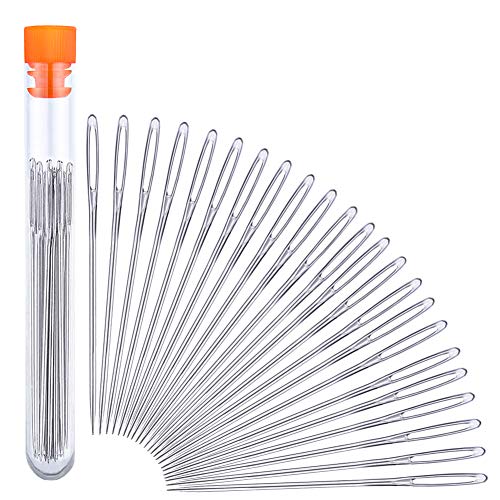
Matching your needle to your yarn weight is as important as choosing the right size. For very fine lace-weight yarns, use a needle with a sharp, tapered tip to ensure you can easily pick up single loops without splitting the ply.
For bulky or chunky yarns, you need a needle that is sturdy enough to support the weight of the fabric. Bamboo is excellent here, as it is lightweight and won’t tire your wrists, even when the project becomes heavy.
- Lace/Fingering: Choose sharp-tipped birch or ebony for precision.
- Sport/DK/Worsted: Versatile birch or bamboo works best for standard stitch patterns.
- Bulky/Super Bulky: Lightweight bamboo or hollowed wood needles prevent hand fatigue.
Selecting the right wooden needle is a deeply personal choice that evolves alongside your skill level and fiber preferences. Whether you prioritize the grip of bamboo or the polished speed of olive wood, the right tool will make your knitting more accurate and enjoyable. Don’t be afraid to experiment with different brands until you find the perfect match for your hands and your yarn. Happy knitting, and may your stitches always be even and your yarn never split.