6 Best T-Pins For Lace Blocking Professionals Swear By
Discover the top 6 T-pins favored by lace blocking pros. Learn which rust-resistant, durable options ensure perfect tension and professional-grade results.
Blocking is the final, transformative step that turns a crumpled piece of knitting into a professional-grade heirloom. While wires and combs have their place, the humble T-pin remains the most versatile tool in a lace knitter’s arsenal. Choosing the right steel can mean the difference between a perfectly symmetrical shawl and one marred by rust stains or distorted stitches. Here are the six best T-pins that experienced makers rely on to achieve that perfect finish.
Clover T-Pins: The Gold Standard for Lace Projects


Clover has earned its reputation by maintaining a level of consistency that is rare in the notions world. When you are blocking a delicate mohair lace shawl, you need a pin that won’t bend under the tension of the pull.
These pins feature a smooth, polished finish that glides through even the most delicate silk or alpaca fibers without snagging. The T-bar head is perfectly balanced, offering enough surface area for your thumb to press down firmly without causing fatigue during a long blocking session.
If you are working on a project with a high stitch count or complex lace repeats, these are the pins you want in your kit. They are reliable, sturdy, and essentially the baseline for professional blocking.
Dritz Extra-Long T-Pins for Thick Blocking Mats
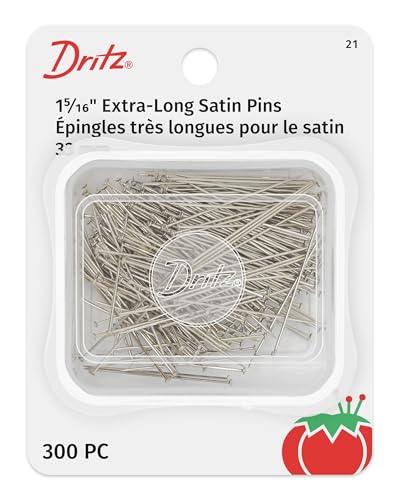
Sometimes, standard-length pins simply aren’t enough to anchor a heavy, wet wool sweater or a thick, multi-layered blanket. Dritz offers an extra-long version that provides the necessary depth to penetrate deep into thick foam blocking mats.
The added length is a game-changer when you need to secure multiple layers of fabric or dense, felted projects. Because they reach deeper into the foam, they provide a much stronger anchor point, preventing the "pop-out" effect that often happens when a pin is only barely holding onto the mat surface.
Keep in mind that these are heavier than standard pins. Use them for your heavy-duty projects, but perhaps stick to smaller pins for delicate, airy lace to avoid unnecessary weight on the fabric.
Singer Stainless Steel T-Pins for Rust Resistance

Rust is the mortal enemy of a hand-knitted lace project. There is nothing more heartbreaking than finishing a 100-hour project only to find a faint orange smudge on your white lace after the blocking process.
Singer’s stainless steel T-pins are designed specifically to mitigate this risk. By using a higher grade of steel, they significantly reduce the chance of oxidation when they come into contact with wet, damp fibers.
Always remember that even "stainless" steel can oxidize if left in a soaking wet project for days. Use these for peace of mind, but always ensure your lace is fully dry before removing the pins.
Darice T-Pins: The Budget-Friendly Bulk Choice

When you are blocking a large project like a circular tablecloth or a massive shawl, you will often find yourself needing dozens of pins at once. Buying individual packs can become prohibitively expensive, which is where Darice’s bulk sets shine.
These pins are functional and utilitarian, designed for the maker who needs volume over specialized finishes. They are perfectly adequate for most standard wool projects where the pins won’t be left in for an extended period.
While they may not have the premium polish of higher-end brands, they get the job done. They are the ideal choice for keeping in your "overflow" kit for those massive projects that require an army of pins.
Prym T-Pins: Precision Engineering for Fine Lace

Prym is known for its German-engineered precision, and their T-pins are no exception. The points on these pins are noticeably sharper than most, which is critical when you are working with fine-gauge lace or tight, non-superwash wools.
A sharper point means less resistance when piercing the fabric, which prevents the pin from pushing against the stitches and distorting your lace pattern. This is essential for maintaining the integrity of your hard-earned gauge.
If you are a perfectionist about your stitch definition, these are worth the investment. They feel more refined in the hand and behave predictably every single time you use them.
Off-White Nickel-Plated T-Pins: The Pro Choice

Many professionals gravitate toward nickel-plated pins for their specific balance of durability and surface smoothness. The plating creates an incredibly slick surface that allows the pin to slide through fibers with almost zero friction.
These pins are particularly excellent for working with plant fibers like linen or cotton, which can be unforgiving and prone to snagging on rougher metal surfaces. The nickel coating provides a protective barrier that keeps the pin sliding smoothly even after years of use.
Be aware that if you have a nickel allergy, these are not the right choice for you. However, for those who don’t, the slickness provided by the plating is unmatched for delicate, high-tension blocking.
Why T-Pins Are Superior to Ball-Point Pins for Lace
Ball-point pins are designed for sewing, where you want to slide between fibers rather than through them. In lace blocking, however, you often need to anchor the fabric firmly into a specific shape, and the T-shape is vastly superior for this.
The T-bar provides a physical stop, preventing the pin from disappearing into the fiber or pulling through the fabric under tension. Furthermore, the shape of the T allows you to easily pull the pin out with your fingers, even when your hands are damp from blocking.
While sewing pins might seem like a convenient substitute, they lack the structural support needed to keep a tensioned lace piece in place. Stick to the T-pin for any project that requires significant shaping.
How to Choose the Right Gauge for Your Blocking Pins
The gauge of your pin—the thickness of the wire—matters just as much as the length. For delicate lace, you want a thinner gauge to avoid creating large holes in the fabric, which can be difficult to close up once the piece is dry.
Conversely, for heavy, bulky-weight sweaters, a thin pin will simply bend under the weight of the wet yarn. You need a thicker gauge to support the structure of the garment while it dries.
- Fine Lace (Cobweb/Lace weight): Use the thinnest, sharpest pins available.
- Standard Wool (Fingering/Sport): Standard-gauge T-pins are perfect.
- Heavyweight (Aran/Chunky): Use the thickest, most rigid pins you can find.
Essential Tips for Preventing Rust on Blocking Pins
Even the best stainless steel can succumb to rust if treated poorly. The most important rule is to never leave your pins in a damp project longer than necessary.
Once your project is dry, remove the pins immediately and lay them out on a clean towel to ensure they are completely moisture-free before storing them. If you notice any pin starting to look dull or showing signs of oxidation, discard it immediately to save your future projects from damage.
You can also lightly coat your pins in a tiny amount of high-quality sewing machine oil if you plan to store them for a long period. Just be sure to wipe them clean before the next use.
Proper Storage Solutions for Your Blocking Notions
A messy pin cushion is a recipe for lost tools and frustration. I recommend using a magnetic bowl or a dedicated metal tin to store your T-pins, as this keeps them contained and easy to grab during the blocking process.
Avoid storing pins in cardboard or porous materials, as these can trap moisture and accelerate the rusting process. A dry, airtight container is the gold standard for keeping your notions in pristine condition for years.
Treat your blocking pins as professional tools, not just office supplies. When you take care of your gear, your gear takes care of your knitting.
Investing in high-quality T-pins is an investment in the longevity and beauty of your hand-knitted lace. By understanding the nuances of gauge, material, and finish, you can ensure that your blocking process is as effective as possible. Choose the pins that best suit your typical project weight and fiber type, and your finished pieces will thank you. Happy blocking!