6 Best Silicone Thimbles For Yarn Friction Reviewed
Discover the top 6 silicone thimbles to reduce yarn friction. We review comfort, grip, and durability to help you find the best tool for seamless knitting.
Knitting for hours on end often leads to the dreaded "yarn burn" where the constant friction of fiber against skin leaves your finger raw and sore. Silicone thimbles have emerged as the gold standard for protecting your skin while maintaining the tactile control necessary for even tension. By smoothing out the path of the yarn, these tools allow you to knit longer without sacrificing your gauge consistency. This guide explores the best silicone options on the market to help you find the perfect balance of protection and dexterity.
Clover Yarn Guide Thimble: Best Overall Choice
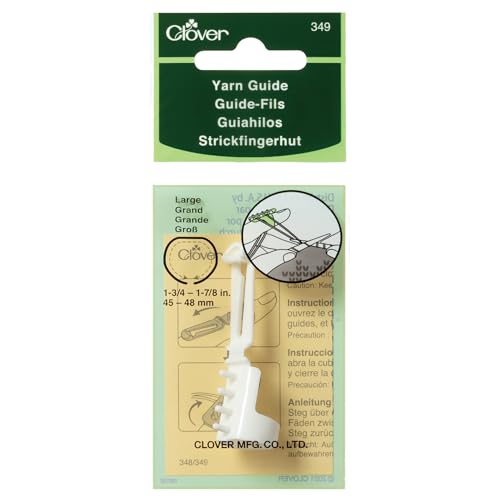

The Clover Yarn Guide Thimble is a staple in many knitting bags because it bridges the gap between a traditional thimble and a functional tool. It features a unique design that acts as a physical barrier against friction while also helping to manage multiple strands of yarn during colorwork.
If you are tackling complex stranded colorwork, this thimble becomes an essential assistant. It keeps your yarn strands separated and tensioned correctly, preventing the dreaded "tangle" that often happens when working with two or more colors.
The material is firm enough to provide a solid surface but flexible enough to conform to your finger shape. It is the perfect middle-ground for someone who wants protection without feeling like they are wearing a bulky glove.
Prym Ergonomic Thimble: Top Comfort Pick

Prym has clearly spent time studying the anatomy of a hand, as this thimble feels less like an accessory and more like a second skin. The ergonomic shaping prevents the common issue of the thimble slipping off during a long knitting session.
Because it is made from a breathable, flexible silicone, it doesn’t trap heat or moisture against your skin. This is a huge advantage if you live in a humid climate or if your hands tend to get clammy while you knit.
The surface texture is specifically designed to grip the yarn just enough to offer control without snagging. It is a fantastic choice for those who knit with slippery fibers like silk or bamboo blends, where keeping the yarn in place is half the battle.
Dritz Soft Comfort Thimble: Best for Beginners

If you are just starting your knitting journey, you likely don’t want a tool that feels complicated or restrictive. The Dritz Soft Comfort Thimble is straightforward, easy to put on, and provides immediate relief for sensitive skin.
Many beginners struggle with holding their tension steady, often gripping the yarn too tightly to compensate for lack of practice. This thimble acts as a buffer, preventing you from digging your nail or skin into the yarn as you pull it through.
It is lightweight and unobtrusive, making it easy to forget you are even wearing it. While it lacks some of the advanced features of technical thimbles, its simplicity makes it a reliable entry point for anyone new to the craft.
Tulip Silicone Thimble: Best for Precision Work

Tulip is known for high-quality manufacturing, and their silicone thimble is no exception. It is thinner than most, which allows for a much higher degree of tactile feedback when you are working with fine-weight yarns or intricate lace.
When you are knitting with 2.0mm or 2.25mm needles, you need to feel exactly what the yarn is doing. This thimble provides the necessary protection against friction without creating a "dead zone" of sensation at your fingertip.
The material is remarkably durable and resists wearing down, even after months of daily use. It is a professional-grade tool for the knitter who demands precision and doesn’t want their gear to get in the way of their stitches.
Bohin Silicone Thimble: Best for Durability

Bohin has built a reputation on longevity, and their silicone thimble is designed for the knitter who puts in thousands of stitches per week. It is constructed from a denser silicone that holds its shape through repeated stretching and washing.
If you find that your thimbles tend to stretch out and fall off after a few months, this is the upgrade you need. It maintains its snug fit, ensuring that the protection stays exactly where you need it, even if your hands are moving rapidly.
It also features a subtle textured surface that helps guide the yarn smoothly. This is particularly helpful when working with textured or "hairy" yarns like mohair or alpaca, which can otherwise be quite grabby against your skin.
Singer Flexible Thimble: Best Budget Option

The Singer Flexible Thimble is a testament to the fact that you don’t need to spend a fortune to get a functional tool. It is an affordable, no-frills option that does exactly what it is supposed to do: protect your finger from yarn abrasion.
It is highly flexible, which makes it a versatile choice if you have larger knuckles or specific fitting concerns. It stretches easily to accommodate different finger sizes without losing its ability to stay in place.
While it may not have the bells and whistles of high-end specialized tools, it is a perfect "backup" thimble to keep in your notions pouch. It is reliable, effective, and won’t break the bank.
Why Silicone Thimbles Reduce Yarn Friction
Yarn friction is the result of fiber rubbing against the skin, which generates heat and irritation over time. Silicone acts as a low-friction interface that allows the yarn to glide across your finger rather than snagging on your skin’s natural oils or textures.
This reduction in friction is vital for maintaining consistent gauge. When your skin is irritated or raw, your natural tendency is to adjust your grip, which almost always leads to tighter, uneven tension in your stitches.
By neutralizing the friction, these thimbles allow for a more fluid, rhythmic knitting motion. This isn’t just about comfort; it is about the physics of how your yarn interacts with your tools and your body.
How to Find Your Perfect Silicone Thimble Size
Finding the right size is the most important step in ensuring your thimble doesn’t become a distraction. A thimble that is too tight will restrict circulation, while one that is too loose will constantly slip off while you are picking up a dropped stitch.
To find your size, measure the circumference of the finger you use to tension your yarn. Most manufacturers provide a sizing chart that corresponds to these measurements, usually ranging from small to large.
Always err on the side of a snugger fit, as silicone tends to relax slightly with heat and use. If you are between sizes, consider the weight of the yarn you use most often; thicker yarns may require a slightly looser fit to allow the yarn to slide through easily.
Silicone vs Metal Thimbles: Which Is Better?
Metal thimbles are excellent for sewing because they protect against sharp needle points, but they are often too rigid and heavy for the repetitive motion of knitting. They can feel "cold" and clunky, which disrupts the natural flow of your hand movements.
Silicone is superior for knitting because it mimics the softness of your skin while providing the necessary barrier against friction. It conforms to the movement of your joints, whereas metal thimbles can pinch or dig in during long sessions.
However, if you are a "hard" knitter who uses a lot of force, you might find that you prefer the structural support of a metal thimble. For 95% of knitters, though, the flexibility and grip of silicone will provide a much more comfortable experience.
Maintenance Tips for Your Knitting Thimbles
Silicone thimbles are remarkably low-maintenance, but they do pick up dust, lint, and skin oils over time. A quick wash with mild soap and warm water will restore their original "tackiness" and keep them clean.
Avoid using harsh chemicals or abrasive scrubs, as these can degrade the silicone and lead to tearing. If your thimble starts to feel greasy or loses its grip, a simple rinse is usually all it takes to bring it back to life.
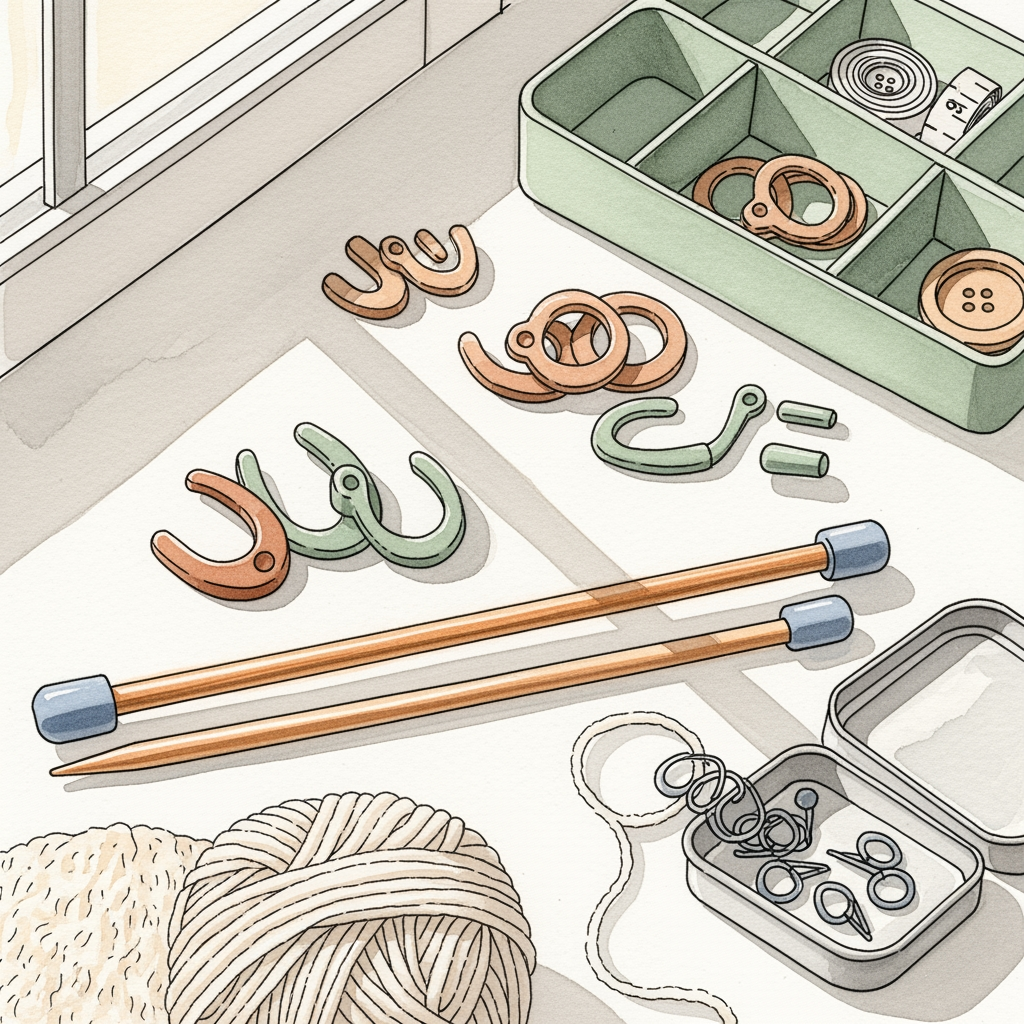
Store your thimbles in a dedicated notions tin or a small pouch to keep them from getting lost in your project bag. Because they are small, they have a habit of disappearing into the abyss of a knitting tote, so keeping them contained is the best way to ensure they are there when you need them.
Choosing the right silicone thimble is a small investment that pays massive dividends in your comfort and the quality of your finished projects. By reducing friction and stabilizing your tension, these simple tools allow you to focus entirely on the rhythm of your craft. Whether you opt for the precision of a Tulip or the comfort of a Prym, your hands will thank you after the first few rows. Happy knitting, and may your tension remain as consistent as your passion for the craft.