7 Best Tabletop Clamps For Winding Tools To Try
Discover the 7 best tabletop clamps for winding tools. We compare top models to help you secure your workspace with precision, stability, and ease of use.
Nothing ruins the rhythm of a productive knitting session quite like a yarn winder that wobbles or slips mid-cake. Whether you are prepping a delicate lace-weight mohair or a sturdy superwash wool, a stable base is the foundation of a tangle-free project. Finding the right clamp can be the difference between a perfectly wound center-pull cake and a knotted, frustrating mess. Here are the top tabletop clamps to ensure your winding tools stay exactly where you need them.
Stanwood Needlecraft Tabletop Clamp: Best Overall


The Stanwood clamp is a staple in many home studios because it balances grip strength with a user-friendly design. It excels at holding onto standard kitchen tables or dedicated craft desks without marring the finish.
Its primary strength lies in its wide jaw opening, which accommodates thicker table edges that many stock clamps simply cannot handle. If you work with heavy-duty ball winders, this piece of hardware provides the necessary leverage to keep the unit from vibrating loose during high-speed winding.
While it is robust, it is still lightweight enough to keep in your project bag. Just remember that it performs best on flat, level surfaces; if your table has a beveled edge, you may need a thin rubber shim to ensure a solid connection.
Lacis Wooden Yarn Ball Winder Clamp: Top Pick

There is something deeply satisfying about using wooden tools that match the aesthetic of your knitting needles and yarn bowls. The Lacis wooden clamp offers a classic, tactile feel that feels less industrial than metal alternatives.
This clamp is particularly well-suited for delicate work surfaces where you want to avoid scratching or denting the wood. It provides a firm, reliable grip that is surprisingly strong for its size, making it a favorite for those who prefer natural materials in their workspace.
Be aware that because it is wood, it can be prone to wear over many years of heavy use. Treat the threads with a tiny amount of wax occasionally, and it will remain a reliable partner for your winding needs for a long time.
Knit Picks Yarn Winder Replacement Clamp: Value

If you have ever had a clamp snap or go missing during a move, you know the panic of having a pile of hanks and no way to wind them. This replacement clamp is the quintessential "keep it in your notions kit" item.
It is designed to be a direct fit for most standard-sized hobby winders, making it an incredibly cost-effective solution for replacing a broken part. It does the job without any unnecessary frills, proving that you don’t need to overspend to keep your equipment operational.
While it lacks the heavy-duty reinforced steel of professional-grade tools, it is more than adequate for the occasional knitter. It’s a perfect "backup" to keep in your drawer so that a broken clamp never stops your project momentum.
Strauch Fiber Equipment Heavy Duty Clamp: Sturdy

When you are dealing with large, heavy hanks of bulky-weight yarn, standard clamps often fail to handle the torque. The Strauch heavy-duty clamp is engineered for those who treat yarn winding as a serious, high-volume task.
This clamp features extra-long reach and reinforced tension screws, allowing it to lock onto almost any surface with iron-clad stability. It is the gold standard for fiber artists who wind large quantities of yarn for sweaters or home decor projects.
It is admittedly overkill for a beginner winding a single skein of sock yarn, but for a seasoned maker, it is an investment in peace of mind. You won’t have to stop every thirty seconds to re-tighten the base, which saves your sanity during long winding sessions.
Nancy’s Knit Knacks Replacement Clamp: Durable
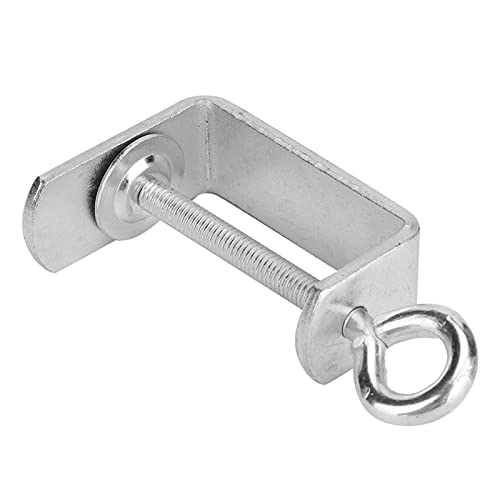
Nancy’s Knit Knacks has built a reputation on tools that actually last, and their replacement clamp is no exception. It is built with high-quality materials that resist the constant pressure of the winding motion.
What sets this clamp apart is the precision of the threading. It tightens smoothly and holds its position without vibrating loose, which is a common failure point in cheaper, mass-produced hardware.
If you find yourself frequently winding high-twist or springy yarns, you need a clamp that won’t "creep" across your table. This unit stays put, ensuring your yarn tension remains consistent throughout the entire cake-making process.
Royal Yarn Winder Mounting Bracket: Best Fit
Sometimes the issue isn’t the clamp itself, but how it interfaces with the specific geometry of your winder. The Royal mounting bracket is designed to solve the problem of winder "wobble" by providing a more secure, flush connection.
This bracket is ideal if you have a winder that feels slightly loose even when the clamp is tightened down. By providing a sturdier interface, it eliminates the micro-movements that can lead to uneven yarn cakes or dropped stitches during the winding process.
It is a specialized tool, so be sure to check your winder’s model compatibility before purchasing. When it fits, however, it transforms a mediocre winder into a professional-grade station.
U-Shaped Universal Tabletop Clamp: Best Versatile

If you own multiple winding tools or work in different locations, a universal clamp is your best friend. The U-shaped design is remarkably flexible, fitting a wide variety of base thicknesses and shapes.
This design is excellent for non-traditional workspaces, such as folding card tables or even the edge of a sturdy bookshelf. Its versatility makes it the most "portable" option in the bunch, perfect for knitting retreats or guild meetings.
The tradeoff is that it may not offer the same "locked-in" stability as a model-specific clamp. However, for most standard yarn cakes, the convenience and adaptability of the U-shape far outweigh the minor loss in total rigidity.
How to Secure Winding Tools to Uneven Surfaces
Many of us don’t have the luxury of a perfectly flat, square-edged desk. When your table has a rounded edge or a decorative lip, a standard clamp will slide right off.
- Use a rubber shelf liner: Place a small square of high-grip shelf liner between the clamp and the table. This adds friction and protects your furniture.
- The shim method: If the table edge is beveled, use a small piece of scrap wood to create a flat, vertical surface for the clamp to bite into.
- Avoid over-tightening: Don’t force the clamp to compensate for an uneven surface; you risk cracking the plastic base of your winder.
Essential Tips for Maintaining Your Winder Base
A winder is a mechanical tool, and like any machine, it requires a little maintenance to keep it running smoothly. The base and clamp are the first things to show wear, but they are easy to look after.
- Clean the threads: Dust and stray yarn fibers can get caught in the clamp’s screw threads, making it harder to tighten. Use a stiff brush to clear them out periodically.
- Check for stress fractures: Regularly inspect the plastic housing of your winder where the clamp attaches, as this is a common point of fatigue.
- Lubricate sparingly: A tiny drop of silicone lubricant on the metal threads can make tightening much easier, but avoid getting any oil on the parts that touch your yarn.
Troubleshooting Common Yarn Winder Clamp Issues
If your winder is still moving, start by checking the alignment of the yarn guide arm. Often, the clamp is fine, but the tension of the yarn being pulled at an awkward angle is what pulls the winder off the table.
- The "Creeping" Winder: If the winder slides during use, your yarn tension is likely too high. Ensure your yarn source (swift or ball) is positioned at least two feet away to create a smoother feed.
- Loose Connections: If the clamp holds the table but the winder wiggles on the clamp, check the mounting screws on the bottom of the winder itself. They often vibrate loose over time.
- Surface Damage: If you are worried about your table finish, a piece of thick felt glued to the clamp’s contact points is a great DIY fix that provides extra grip.
Investing in a reliable clamp is a small step that pays off in every yard of yarn you wind. By choosing hardware that matches your specific table and winding habits, you eliminate the distractions that keep you from your craft. Take the time to secure your setup properly, and you will find your winding sessions becoming a meditative part of your knitting routine rather than a chore. Happy winding, and may your yarn cakes always pull from the center without a hitch.