6 Best Cast-on Combs for Starting Projects Worth Owning
Discover the top 6 cast-on combs for machine knitting. This guide evaluates durability and ease of use to help you choose the best tools for your projects.
A clean, even cast-on is the foundation of every professional-looking machine-knitted garment. Without the right tension and weight distribution provided by a quality cast-on comb, your fabric is prone to dropped stitches and uneven edges. Choosing the correct tool for your specific machine gauge can transform a frustrating start into a seamless experience. This guide breaks down the essential combs that will elevate your knitting from amateur to expert.
Passap Universal Cast-on Comb: The Gold Standard
The Passap Universal comb is widely considered the pinnacle of design for those working on double-bed machines. Its unique construction allows it to be used across a variety of setups, providing a consistent, heavy pull that keeps your stitches anchored securely.
When you are dealing with complex stitch patterns or slippery fibers like silk or rayon, the weight of this comb is your best friend. It provides the necessary resistance to prevent the needles from jumping as the carriage passes, ensuring every loop is formed perfectly.
The main trade-off is its weight; it is substantial and can be tiring for beginners to handle during long cast-on sequences. However, for the precision it offers, the extra effort is a small price to pay for a flawless edge.
Brother Metal Cast-on Comb for Standard Gauge


Brother metal combs are the workhorses of the knitting machine world, designed to withstand decades of rigorous use. They are specifically engineered for the 4.5mm standard gauge machines, making them the go-to choice for fine-gauge sweaters and intricate tuck stitch designs.
The beauty of these combs lies in their simplicity and durability. Unlike plastic alternatives, these metal combs won’t warp or crack under the weight of heavier yarns, providing a reliable, uniform tension across the entire needle bed.
If you are working with fine-ply wool or cotton blends, the metal teeth provide just enough grip to hold the yarn in place without damaging the delicate fibers. Just be sure to handle them with care, as the teeth can bend if dropped on a hard floor.
Silver Reed Ribber Cast-on Comb: Best Versatility
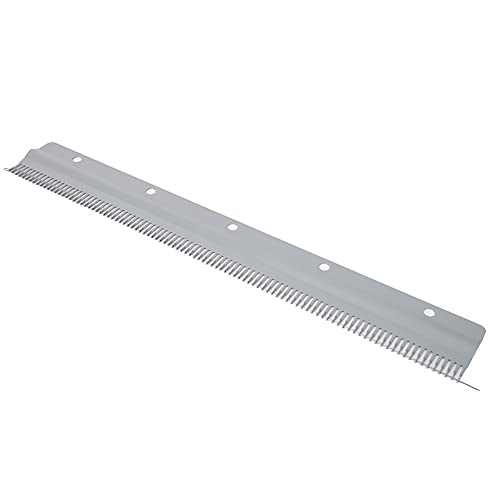
The Silver Reed ribber comb is a masterclass in adaptability, particularly for those who frequently switch between single and double-bed knitting. It is designed to work seamlessly with the ribber attachment, providing the perfect counterbalance for creating ribbed cuffs and collars.
This comb excels when you need to transition from a waste-yarn cast-on to your main project yarn. Its design allows for quick attachment and removal, which is essential if you are working on a series of small, rapid-turnaround projects like hats or scarves.
Keep in mind that this comb is optimized for Silver Reed machines, and while it may fit others, it performs best within its native ecosystem. If you value a smooth, fluid workflow, this is the most versatile tool you can keep in your knitting kit.

KnitKing Heavy Duty Comb for Bulky Machines

When you move up to bulky gauge machines, the standard metal combs simply aren’t enough to handle the thickness of worsted or chunky yarns. The KnitKing Heavy Duty comb is designed with wider spacing to accommodate these thicker fibers without crowding the needles.
Using a comb that is too tight for your yarn will result in a distorted cast-on edge that never quite looks right after blocking. This tool ensures that your bulky projects start with the same professional tension as your standard gauge garments.
Because bulky projects are often heavier, the weight of this comb helps maintain the necessary tension to keep the fabric from "climbing" the needles. It is an essential investment for anyone serious about knitting thick, cozy winter accessories.
Studio 6.5mm Plastic Comb for Beginner Projects
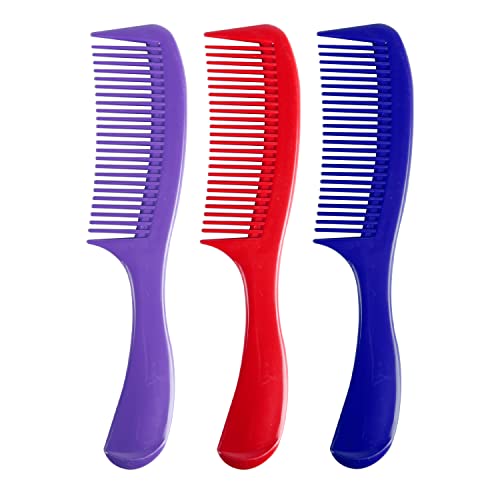
For those just starting out, the Studio 6.5mm plastic comb is an approachable and cost-effective entry point. It is lightweight, easy to maneuver, and gentle on the hands, which helps when you are still learning the mechanics of the machine.
Plastic combs are excellent for learning because they are less intimidating and easier to position than their heavy-duty metal counterparts. If you are experimenting with acrylics or synthetic blends, this comb provides enough grip to keep your stitches stable while you practice your carriage technique.
The downside is that they lack the long-term durability of metal and can eventually warp if left under heavy tension for too long. Treat this as your training wheels; it will serve you well until you are ready to graduate to more specialized, heavy-duty equipment.
Artisan Custom Wire Cast-on Combs for Precision
Artisan wire combs offer a level of customization that mass-produced tools simply cannot match. If you are working on specialized projects—such as ultra-fine lace or delicate mohair—these combs allow you to control the exact tension applied to each needle.
These are not for the faint of heart; they require a high degree of skill to set up and maintain. However, for the advanced knitter looking to achieve a bespoke finish, the ability to adjust the wire tension is a game-changer.
If you find that your current combs are leaving "tracks" or uneven marks in your fabric, a custom wire comb might be the solution. They represent the intersection of traditional craftsmanship and modern machine knitting precision.
How to Select the Right Comb for Your Machine
Selecting the right comb starts with identifying your machine’s gauge and the type of fiber you use most often. A 4.5mm standard gauge machine requires a comb with finer, closer-set teeth, while a 9mm bulky machine requires wider spacing to prevent yarn breakage.
Consider the "weight" of your project as well. A heavy wool sweater requires a heavier comb to keep the fabric from pulling away from the needle bed during the cast-on row.
- Standard Gauge (4.5mm): Use metal combs for durability and precision.
- Mid-Gauge (6.5mm): Look for plastic or lightweight metal for ease of use.
- Bulky Gauge (9mm): Always choose heavy-duty, wider-spaced combs.
Understanding Machine Gauge and Comb Compatibility
Machine gauge refers to the distance between the needles, and your comb must align perfectly with this spacing to function correctly. Using a comb designed for a different gauge will cause the teeth to push against the needles, leading to bent needles and uneven stitch formation.
Never force a comb onto the needle bed. If it doesn’t slide on smoothly, stop and check your alignment. Forcing the fit is the fastest way to ruin both your comb and your machine’s needle bed.
Always refer to your machine’s manual for recommended accessories. While some cross-compatibility exists, sticking to the manufacturer’s specifications is the safest way to protect your equipment.
Maintenance Tips to Prevent Comb Deformation
To keep your combs in top shape, store them flat and away from extreme heat, which can warp plastic components. Metal combs should be kept clean of lint and debris, which can accumulate and create uneven tension points.
If you notice a tooth on a metal comb is slightly bent, use a pair of needle-nose pliers to gently nudge it back into alignment. Do not over-manipulate the metal, as repeated bending will cause it to weaken and eventually snap.
A light coating of machine oil on metal combs can prevent rust and ensure they slide smoothly along the needle bed. Regular maintenance is the difference between a tool that lasts a lifetime and one that needs replacing every few years.
Troubleshooting Common Cast-on Edge Issues
If your cast-on edge looks "wavy," it is often a sign that your comb is either too light or not positioned correctly. Try adding a few weights to the comb to provide more consistent downward tension across the entire width of the project.
Dropped stitches at the start of a row usually indicate that the yarn isn’t sitting deep enough in the needle hooks. Ensure your comb is hanging freely and that you aren’t accidentally pulling it upward while the carriage is moving.
If the edge looks too tight, you may be using a comb with teeth that are too thick for your yarn weight. Switch to a finer-toothed comb or reduce the number of weights you are using to allow the stitches more room to breathe.
Mastering the cast-on is a journey that rewards patience and the right choice of tools. By matching your comb to your machine gauge and project material, you ensure that every garment starts with the professional quality it deserves. Remember that while tools are essential, your hands-on experience and troubleshooting skills remain your most valuable assets. Keep experimenting, keep knitting, and let your machines do the heavy lifting.