7 Best Wool Washes For Cleaning Delicate Fibers
Keep your knitwear soft and durable with our top picks for wool washes. Discover the best gentle formulas to clean and preserve your most delicate fibers.
Investing dozens of hours into a hand-knit sweater means you deserve a cleaning routine that preserves your hard work rather than unraveling it. Using the wrong soap can strip natural oils, felt your fibers, or leave behind harsh chemical residues that irritate your skin. This guide breaks down the best wool washes available to ensure your heirloom pieces stay soft and structurally sound for years. Choosing the right product is the final, most crucial step in the knitting process.
Eucalan Delicate Wash: The Best Overall Choice


Eucalan is the gold standard for a reason, and it’s likely the first bottle you’ll see on a local yarn store shelf. It is a no-rinse formula that contains lanolin, which acts as a natural conditioner to keep fibers supple.
I reach for this when I’m blocking a delicate lace shawl or a lightweight merino sweater. Because it doesn’t require rinsing, you avoid the unnecessary agitation that comes with dunking your garment multiple times, which is the primary cause of accidental felting.
The bottom line: It’s reliable, accessible, and does exactly what it promises. If you want a "set it and forget it" solution that protects your gauge and stitch definition, this is your go-to.
Soak Wash: The Top Pick for No-Rinse Cleaning
Soak is beloved for its modern, clean scents and its incredibly gentle profile. It’s designed to be efficient, requiring just a brief soak to lift away dirt and body oils without leaving a heavy residue behind.
Many knitters prefer Soak because it doesn’t leave the yarn feeling "slick" or overly coated. If you are washing a garment with significant texture, like a cabled cardigan, you want a wash that cleans thoroughly without weighing down the twist of the yarn.
It is also an excellent choice for those who are sensitive to heavy perfumes. While it comes in several scents, the "Scentless" version is a staple in my stash for blocking baby items or gifts for friends with allergies.
Kookaburra Wool Wash: Best for Sensitive Skin
Kookaburra is formulated with tea tree oil, which is naturally antibacterial and antifungal. This makes it a fantastic choice for items that get a lot of wear, like socks or heavy winter hats that might trap moisture.
Because it contains no harsh chemicals or synthetic fragrances, it is remarkably gentle on the skin. If you have ever felt itchy after wearing a wool sweater, it might not be the wool itself, but rather the residue left behind by a harsh detergent.
I recommend this specifically for knitters who suffer from skin sensitivities or those washing garments for infants. It cleans effectively while maintaining the loft and "bounce" of the wool fibers.
Unicorn Fibre Wash: Best for Deep Conditioning
Unicorn Fibre Wash is a bit of a powerhouse, often used by serious fiber artists to prep raw fleece or clean vintage finds. It’s highly concentrated, so a little goes a very long way.
This wash is particularly good if you are dealing with a garment that has lost its luster or feels slightly brittle. Its conditioning properties help restore the natural elasticity of the yarn, which is vital if you’ve been working with slightly older or drier wools.
It’s a bit more of an investment, but for high-end fibers like cashmere or angora, it provides a level of care that justifies the price. Use it when your project deserves a spa treatment.
Twig & Horn Wool Soap: Best Sustainable Option
Twig & Horn takes a minimalist approach, focusing on simple, effective ingredients that are biodegradable. It’s a great choice for the environmentally conscious knitter who wants to avoid synthetic additives.
The soap is gentle on both the fiber and the environment. It cleans without stripping the natural lanolin from the wool, which is essential for maintaining the water-repellent properties of sheep’s wool.
If you are a purist who prefers heritage-style soaps, this is the best fit for your kit. It performs consistently and feels like a natural extension of the traditional craft of knitting.
The Laundress Wool & Cashmere: Best Premium Pick
The Laundress is a luxury option that feels like a treat for your wardrobe. It is specifically formulated to protect high-end fibers, including cashmere, which is notorious for being temperamental and prone to pilling.
This wash is excellent for those "investment pieces"—the sweaters that took you months to knit and cost a small fortune in yarn. It has a sophisticated scent and leaves the fibers feeling incredibly soft to the touch.
While it is more expensive than other options, it is worth it for your most precious projects. It’s the equivalent of using a high-end conditioner on your own hair.
Eucalan Lavender Scent: Best for Natural Moth Care

This is the same base formula as the original Eucalan, but with the added benefit of lavender essential oil. Lavender is a well-known natural moth repellent, making this an ideal choice for off-season storage.
When I pack away my heavy wool sweaters in the spring, I always give them a final wash in this scent. It provides a layer of protection that synthetic chemicals simply cannot match, all while keeping the wool smelling fresh.
It’s a dual-purpose product: you get the gentle cleansing of a standard wool wash plus the peace of mind that comes with natural pest prevention. It’s a simple, smart way to protect your hand-knitted collection.
Why You Should Never Use Regular Detergent on Wool
Regular laundry detergents are designed to break down organic matter, which is exactly what wool is. These detergents often contain enzymes like protease, which literally eat away at the protein fibers of your wool, causing it to thin and eventually develop holes.
Furthermore, regular detergents are often too alkaline. Wool thrives in a slightly acidic environment; high alkalinity will cause the scales on the wool fiber to open up, leading to tangling, matting, and irreversible felting.
Even if you use a "gentle" cycle, the chemical composition of standard soap is fundamentally incompatible with animal fibers. Always keep your wool wash separate from your regular laundry to avoid any accidental mix-ups.
A Step-by-Step Guide to Safely Washing Knitwear
- Fill your basin: Use cool to lukewarm water. Never use hot water, as it will shock the fibers and cause immediate felting.
- Add the wash: Mix in your chosen wool wash before adding the garment. This prevents concentrated soap from landing directly on the wool.
- Submerge and soak: Gently press the garment into the water until it is fully saturated. Let it soak for 15–20 minutes.
- Remove excess water: Lift the garment out and gently squeeze—never wring or twist. Lay it flat on a clean, dry towel and roll it up like a sleeping bag to press out the remaining moisture.
How to Properly Block Your Hand-Knitted Garments
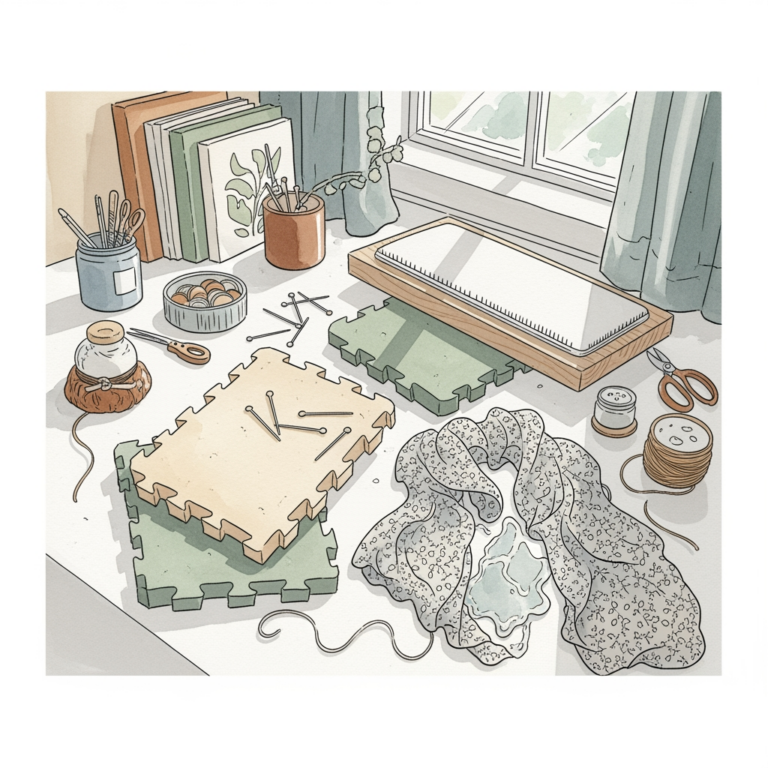
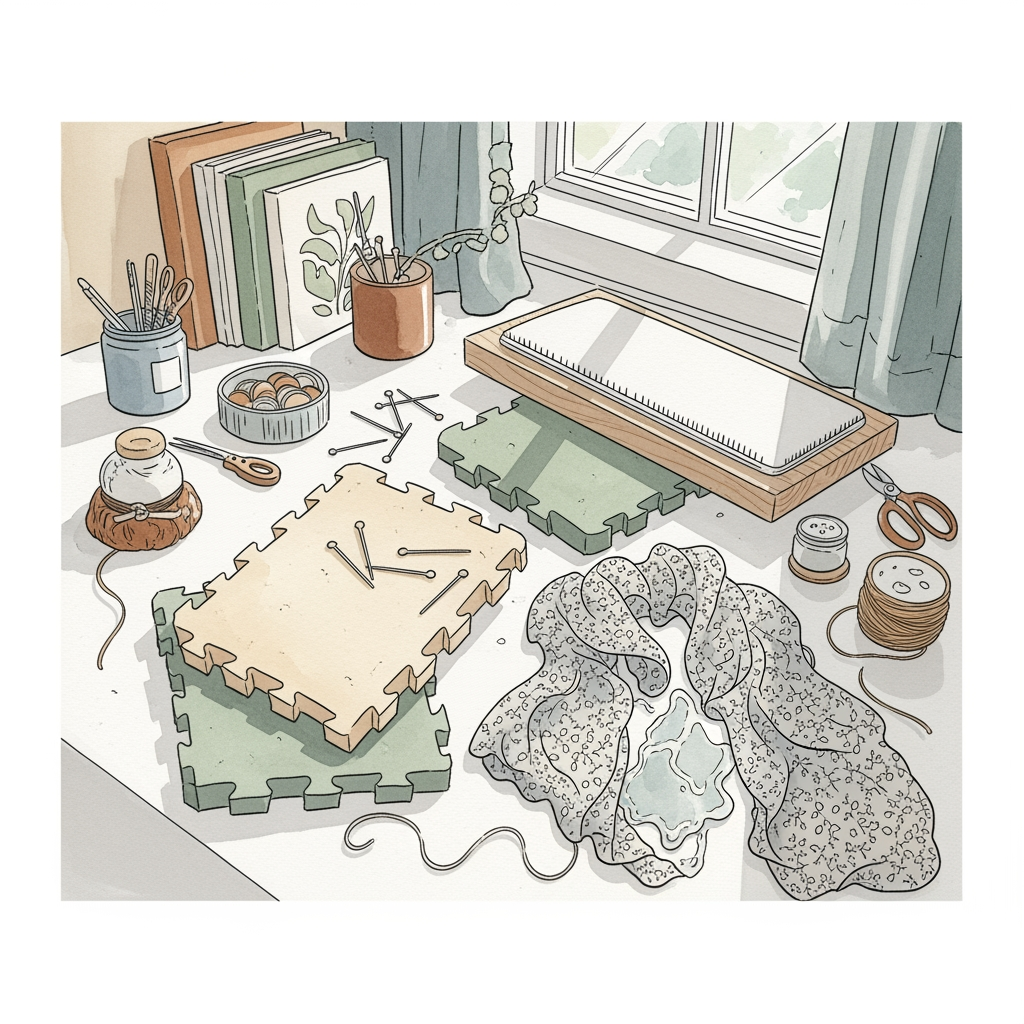
Blocking is the act of shaping your finished piece to achieve the correct dimensions and smooth out uneven stitches. After your garment is damp (not dripping), lay it out on a blocking mat or a clean towel.
Use rust-proof pins to gently stretch the piece to your desired measurements. If you’re blocking lace, pin out the points to open up the pattern; if it’s a sweater, focus on the seams and the overall silhouette.
Let it air dry completely in a well-ventilated area, away from direct sunlight or heat sources. Once it’s dry, your stitches will be set, and your garment will look professionally finished.
Caring for your hand-knits is just as important as the actual act of knitting them. By choosing a dedicated wool wash and following proper blocking techniques, you ensure that your projects remain beautiful for years. Remember that fiber arts are a labor of love, and your maintenance routine should reflect that same level of care. Happy knitting, and may your stitches always remain as lovely as the day you bound them off.