
6 Best Bead Looms For Fabric Embellishments To Try
Discover the top 6 bead looms for fabric embellishments. This guide evaluates key features to help you select the perfect tool for your next creative project.
Adding beads to knitwear is a transformative way to elevate a simple stockinette project into a bespoke heirloom piece. Much like selecting the right needle material for your yarn, choosing a bead loom requires balancing project scale with your own physical comfort. Whether you are adding a subtle beaded cuff to a pair of socks or crafting a full-width beaded panel, the tool you choose dictates the ease of your workflow. Here are six reliable options to help you integrate beadwork into your fiber arts practice.

The Baby Weaver: Best Starter Bead Loom

The Baby Weaver is a fantastic entry point for those who want to experiment with beadwork without committing to a large, expensive piece of equipment. Much like starting your knitting journey on basic wooden needles, this loom offers a tactile, straightforward experience.
It is compact and lightweight, making it ideal for those who primarily work at a kitchen table or a small craft desk. Because of its size, it is best suited for narrow bands, such as embellished ribbons for sweaters or decorative trim for hats.
The trade-off here is the lack of tension adjustment found in professional models. If you are used to the consistent gauge of a well-maintained knitting machine, you might find the manual tensioning a bit finicky at first.
Jewel Loom: Best for Intricate Patterns
The Jewel Loom is designed for makers who treat their beadwork with the same precision they apply to complex fair isle charts. Its unique shape allows you to see your pattern clearly, which is essential when you are working with tiny 11/0 seed beads.
If you are accustomed to reading intricate lace patterns, you will appreciate how this loom keeps your beads aligned in clear rows. It is particularly effective for creating custom beaded labels or small motifs that can be sewn onto finished garments later.
Keep in mind that the surface area is limited. If you plan on creating a wide beaded panel for a shawl, you will eventually outgrow this loom, much like how you might outgrow a fixed circular needle for a massive blanket.
Beadalon Jewel Loom: Top Portable Choice

When you’re knitting on the go, you need tools that fit into your project bag without adding unnecessary weight. The Beadalon Jewel Loom is essentially the "travel set" of the beading world, offering a slim profile that won’t take up precious space.
This loom is perfect for the knitter who likes to work on small embellishments during their commute or at a knit night. Its design is sturdy enough to hold tension well, even when tossed into a bag between uses.
The main consideration is the length of the warp. Because it is designed for portability, you are limited to shorter pieces, which is fine for cuffs but less ideal for long, continuous strips of beadwork.
Rick’s Beading Loom: Best for Durability

Rick’s Beading Loom is the "workhorse" of the industry, built with a heavy-duty frame that can withstand years of frequent use. If you are the type of knitter who buys one set of high-quality stainless steel needles and expects them to last forever, this is the loom for you.
The construction is incredibly rigid, which prevents the warping or bending that can happen with cheaper plastic models. This stability is crucial when you are working with high-tension warp threads, ensuring your beads stay perfectly straight.
It is a larger tool, so it requires a dedicated workspace. Think of it like a floor loom versus a small lap loom; it’s an investment in your craft that rewards you with consistent, high-quality results over time.
Clover Beading Loom: Best for Beginners

Clover is a trusted name in the fiber arts community, and their beading loom reflects their commitment to user-friendly design. It is intuitive to assemble and adjust, making it perfect for those who are intimidated by complex equipment.
Much like a beginner-friendly bamboo needle that provides just enough grip to keep stitches from sliding off, this loom offers a gentle learning curve. It is excellent for those just starting to explore how beads interact with different yarn weights.
The plastic construction is lightweight, which is great for portability but means it can flex slightly under extreme tension. For light-to-medium weight projects, it performs admirably.
Mirrix Lani Loom: Best Professional Tool
For the professional maker or the knitter who demands absolute perfection, the Mirrix Lani is the gold standard. It features a sophisticated tensioning system that allows you to manage warp threads with the same precision you use to manage yarn tension in stranded colorwork.
This loom is designed to handle long, complex projects with ease. If you are planning to create a full-width beaded panel for a high-end wrap, the stability of this loom will save you hours of frustration.
It is a significant financial commitment, comparable to purchasing a set of luxury interchangeable needles. However, if you are serious about integrating beadwork into your professional fiber arts practice, the precision it offers is unmatched.
How to Choose the Right Loom for Your Project
Choosing a loom is similar to choosing the right needle material for your yarn; consider the scale and the desired finish. Start by looking at the width of your desired embellishment.
- Small motifs/cuffs: Choose a portable or starter loom.
- Wide panels/garments: Invest in a rigid, professional-grade loom.
- Frequent travel: Prioritize lightweight, slim-profile looms.
Always consider the tension requirements of your beads. If you are working with delicate glass beads, a loom with adjustable tension is essential to prevent cracking or misaligned rows.
Essential Tools for Bead Weaving Success
Beyond the loom itself, you need a collection of tools that make the process smoother. Just as you wouldn’t knit without a tapestry needle or a stitch marker, you need these basics for beading:
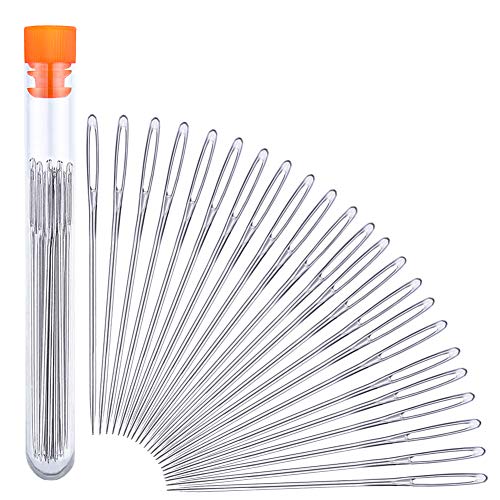
- Beading Needles: Choose needles that are thin enough to pass through your beads multiple times.
- Beading Thread: Use a high-tensile strength thread, like Nymo or Fireline, which won’t snap under tension.
- Bead Mat: A soft, felted mat prevents beads from rolling away, much like a project bag keeps your yarn clean.
Having a good pair of sharp embroidery scissors is also non-negotiable. You need to be able to snip your warp threads cleanly without fraying the ends.
Understanding Warp and Weft in Bead Work
In beading, the warp threads are the vertical strands that hold the structure, while the weft is the horizontal thread that carries the beads. This is identical to the structure of a woven fabric, where the warp provides the foundation.
If your warp tension is too loose, your beadwork will buckle, similar to how a dropped stitch ruins the look of a lace motif. If it is too tight, you risk snapping your thread.
Always aim for a "taut but flexible" tension. You want the threads to be firm enough to hold the beads, but not so tight that they prevent the fabric from draping correctly when applied to your knitting.
Tips for Maintaining Your Beading Loom Tools
Treat your loom with the same care you give your favorite needles. Wipe down metal frames to prevent dust buildup, and check tension knobs periodically to ensure they aren’t stripping.
If you are using a wooden loom, keep it in a temperature-controlled environment to prevent warping. Much like natural wood needles, wood looms can be sensitive to humidity changes.
Finally, keep your warp threads organized. When you finish a project, don’t leave your loom warped; remove the threads to prevent them from stretching out and losing their elasticity over time.
Integrating beadwork into your knitting is a rewarding way to add texture and light to your handmade garments. By selecting a loom that matches your project scale and skill level, you ensure that the process remains an enjoyable part of your creative practice. Start small, master your tension, and watch how these tiny accents transform your fiber art. Happy beading and happy knitting!
