7 Best Winding Spindles For Lace Weight Yarn
Discover the 7 best winding spindles for lace weight yarn. Learn how to select the ideal tool for delicate fibers to ensure smooth, efficient spinning results.
Spinning lace weight yarn requires a delicate balance of speed, control, and consistent tension that standard spindles often fail to provide. When you are aiming for a high WPI (wraps per inch) to create ethereal, gossamer-thin fibers, your tool choice becomes as critical as your fiber selection. This guide explores the top seven spindles designed specifically to handle the demands of fine-gauge spinning. Whether you are a beginner or a seasoned pro, finding the right tool will transform your lace-making process from a struggle into a meditative craft.
Jenkins Turkish Spindle: Best for Lace Precision
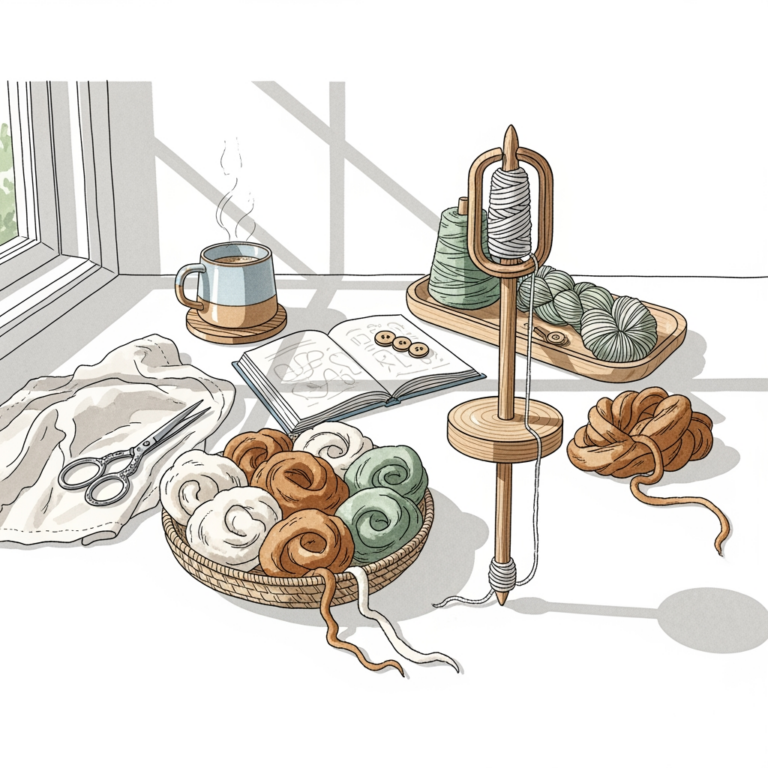
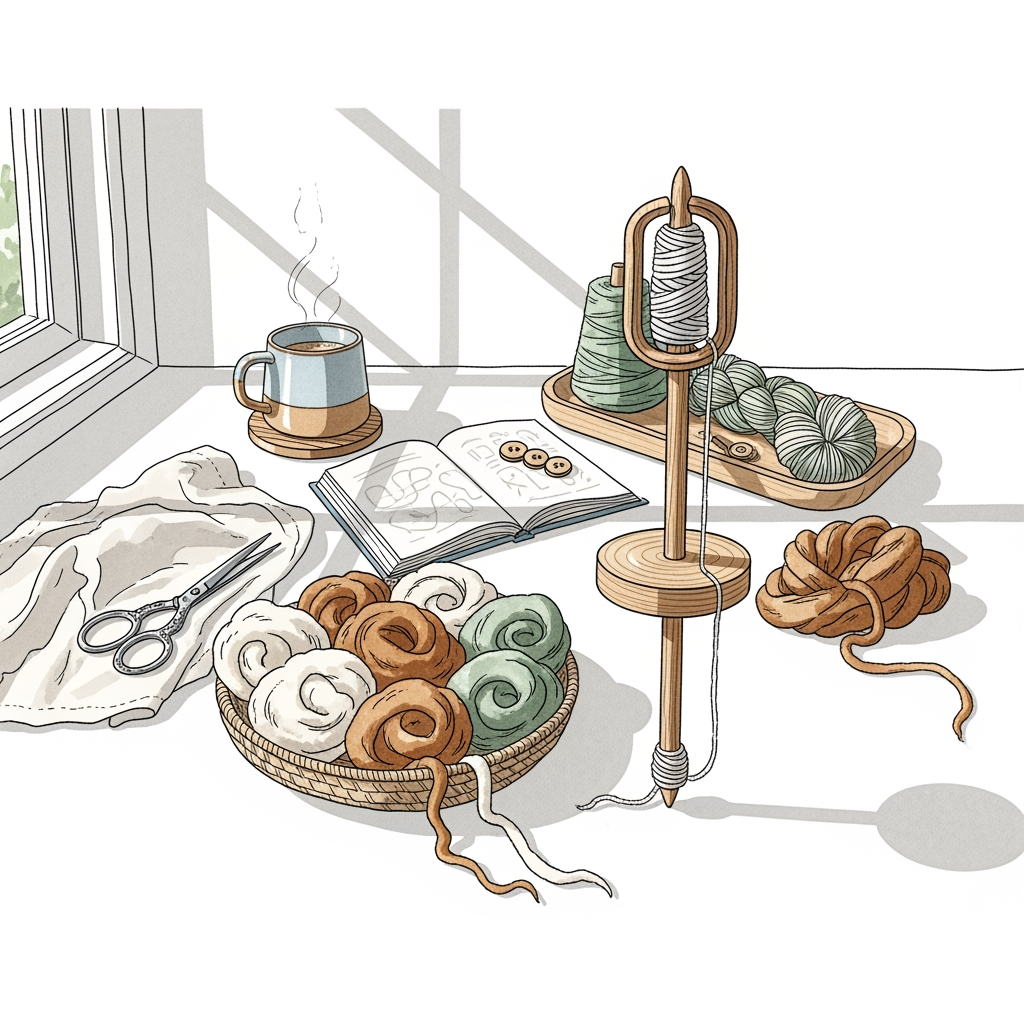
The Jenkins Turkish spindle is widely considered the gold standard for fine-gauge spinning. Its lightweight construction allows you to spin incredibly thin singles without the heavy momentum that often snaps delicate fibers.
Because the arms are perfectly balanced, you can achieve a high-speed, consistent spin that is essential for lace. When you are drafting fiber as thin as a spiderweb, this stability prevents the dreaded "thumping" that causes breakage.
The true beauty of this spindle lies in the center-pull ball it creates. Once you are finished, you simply slide the arms off, and your lace yarn is ready to be plied or wound directly into a ball.
Schacht Hi-Lo Spindle: Best for Long Spin Times


If you find yourself getting frustrated by having to stop and restart your spindle constantly, the Schacht Hi-Lo is your best friend. It features a weighted rim that keeps the spindle spinning for a remarkably long time.
This extended spin time is a game-changer when you are working with slippery fibers like silk or fine alpaca. You have more time to focus on your drafting hand, ensuring the twist travels evenly through the fiber before the spindle loses momentum.
While it is slightly heavier than a dedicated lace spindle, the trade-off is the control it provides over the twist. It is an excellent choice for spinners who struggle with maintaining a steady rhythm during long sessions.
Bosworth Featherweight: Best for Fine Aeration
The Bosworth Featherweight is specifically engineered for those who want to spin "air" into their yarn. Its ultra-light design ensures that you aren’t putting unnecessary stress on fragile, short-staple fibers like cashmere or angora.
When spinning lace, the goal is often to create a soft, lofty yarn that will bloom beautifully after blocking. This spindle allows you to maintain a very light touch, preventing the over-compaction that often ruins the drape of a finished lace shawl.
Keep in mind that because it is so light, it requires a bit more technique to get it spinning quickly. It is best suited for those who already have a comfortable grasp on their drafting rhythm.
Snyder Turkish Spindle: Best for Yarn Balance

The Snyder Turkish spindle is renowned for its impeccable symmetry and fine-tuned weight distribution. In lace spinning, even the slightest imbalance in your spindle can lead to uneven twist, which ruins the stitch definition of your final knitted garment.
This spindle helps you maintain a consistent twist angle from start to finish. If you are spinning a two-ply lace yarn, having that uniformity is the difference between a professional-looking lace edge and a lumpy, inconsistent mess.
It is a durable, high-quality tool that feels like an extension of your hand. For those who prioritize the structural integrity of their singles, the Snyder is a worthy investment.
Turtle Made Spindle: Best for Beginner Lace
Moving from worsted weight to lace weight can be intimidating, but the Turtle Made spindle makes the transition approachable. Its design focuses on stability and ease of use, which helps build confidence in new spinners.
The whorl is designed to provide just enough weight to keep the spindle moving, without being so heavy that it snaps your thin singles. This "Goldilocks" weight is perfect for learning how to manage the tension required for lace.
Don’t be fooled by its friendly reputation; even advanced spinners keep these in their kits for quick, reliable spinning. It is a workhorse that handles a variety of fiber types with ease.
IST Crafts Spindle: Best for Consistent Twist

IST Crafts spindles are celebrated for their precision engineering, which directly translates to a very consistent twist. When you are spinning for lace, you need that twist to be precise so that your yarn doesn’t bias or kink when knitted into a delicate pattern.
The balance of these spindles is exceptional, allowing for a smooth, vibration-free experience. This is vital when you are working with fine fibers that are prone to tangling if the spindle wobbles even slightly.
If you are someone who obsessively checks your twist angle, this spindle will make your life much easier. It provides the mechanical reliability needed to produce uniform, high-quality lace yarn.
Woolery Russian Spindle: Best for Fine Singles
The Russian spindle, or "supported" spindle, operates differently than drop spindles because it spins in a bowl or against a surface. This is the absolute best method for spinning the finest, most delicate lace singles without any gravitational pull on the fiber.
Because the spindle is supported, you can use fibers that have almost no tensile strength. You are essentially drafting the fiber into a twist without the weight of the spindle pulling it apart.
It requires a different set of skills to learn the "flick," but the results are unparalleled. If your goal is to spin gossamer-thin yarn that feels like clouds, look no further than a high-quality Russian spindle.
Choosing Your Ideal Spindle Weight for Lace Yarn
When choosing a spindle, the most common mistake is going too heavy. Lace weight yarn requires very little mass to maintain a spin, and a heavy whorl will almost certainly snap your fiber before you can build up enough twist.
- Under 15 grams: Ideal for ultra-fine lace, silk, and cobweb weight.
- 15–25 grams: A versatile range for standard lace weight and light fingering.
- Over 25 grams: Generally too heavy for lace; better suited for sport or worsted weights.
Consider your drafting speed as well. If you are a slow, methodical drafter, you need a spindle that doesn’t lose momentum too quickly. If you are a fast drafter, a lighter, faster spindle will keep up with your hands.
How Spindle Whorl Placement Affects Lace Spinning
The placement of the whorl—whether it is at the top, bottom, or center—drastically changes how the spindle behaves. A top-whorl spindle is generally faster and better for quick, short-draw spinning.
A bottom-whorl spindle, conversely, offers more stability and a longer spin time, which is excellent for long-draw techniques. Turkish spindles, which have no traditional whorl but use a cross-bar design, offer the best of both worlds by being center-weighted.
Experiment with different styles if you can. Your personal drafting style—whether you prefer a long draw or a short, controlled draw—will dictate which whorl placement feels most natural to you.
Essential Tips for Managing Fine Fiber Tension
Tension is the silent killer of lace-weight yarn. If you pull too hard, the yarn snaps; if you don’t pull enough, the twist clusters and creates thick, uneven spots.
Practice "feeling" the tension through your index finger and thumb. You want to maintain just enough resistance to keep the fiber aligned, but not so much that you are fighting the spindle’s weight.
- Use a leader: Always start with a strong, non-slippery leader thread to get your spindle spinning smoothly.
- Draft in small increments: Don’t try to draft a long length of fiber at once; work in short, controlled segments.
- Monitor your WPI: Keep a small tool handy to check your wraps per inch frequently to ensure you are staying within your target lace range.
Spinning your own lace weight yarn is a deeply rewarding skill that elevates your finished knitting projects to a professional level. By selecting a spindle that matches your drafting speed and fiber choice, you remove the mechanical barriers that often frustrate new lace spinners. Remember that patience is your most important tool, and every yard of fine yarn you spin is a step toward mastery. Embrace the process, keep your tension light, and enjoy the ethereal beauty of your hand-spun lace.