6 Best Knitting Needles For Fine Mohair To Try
Knitting with fine mohair requires the right tools. We explore the top six needles that prevent snagging and ensure smooth, professional results for your knits.
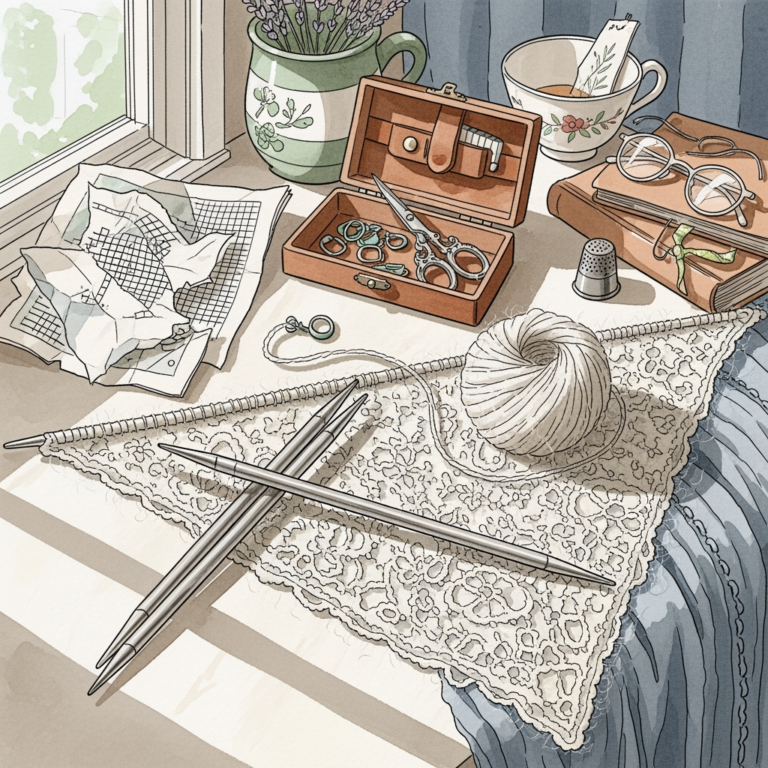
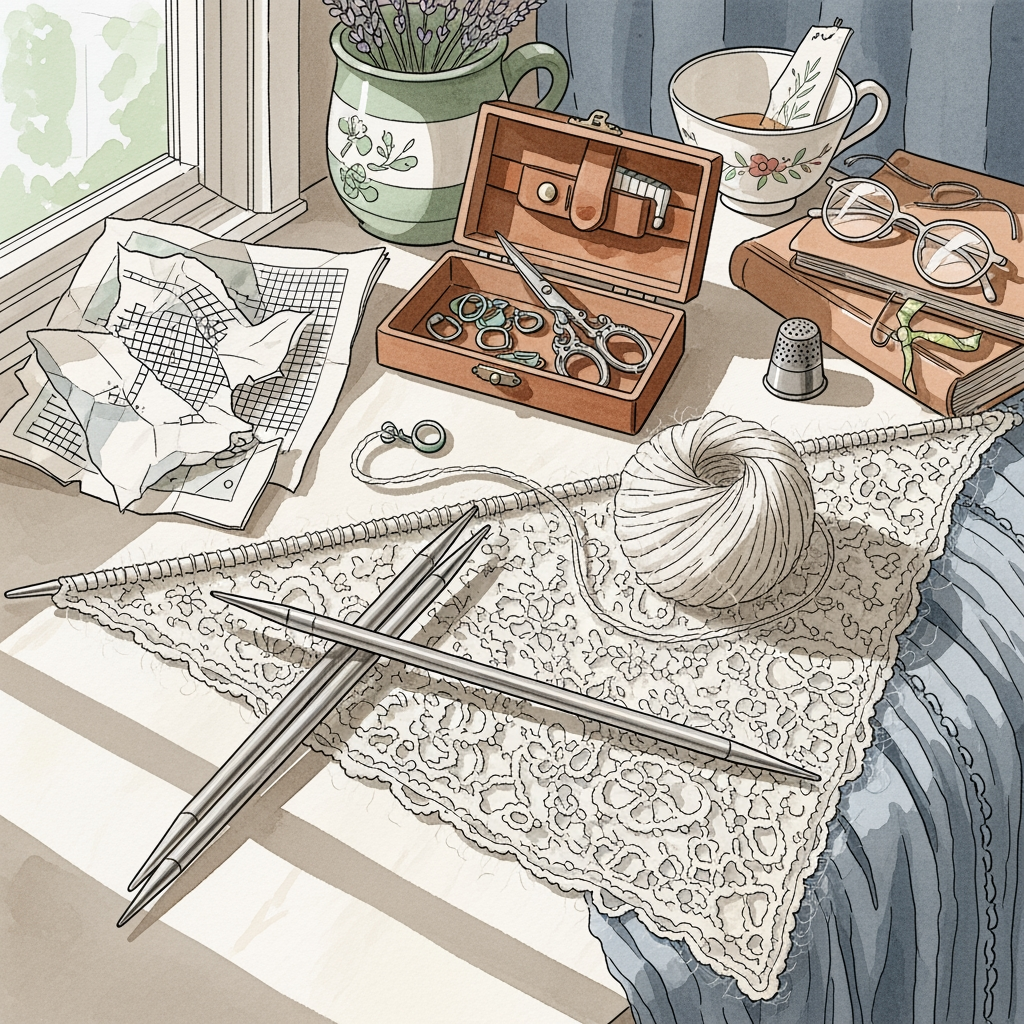
Knitting with fine mohair is a delicate dance between the ethereal beauty of the halo and the potential for a tangled, frustrating mess. Because mohair fibers are prone to grabbing onto one another, your choice of needle can mean the difference between a meditative session and a constant battle against friction. The right needle surface will help you manage the stitches without losing the airy quality of the yarn. Here are the top tools to ensure your mohair projects are as enjoyable to knit as they are to wear.
ChiaoGoo Red Lace: Best for Precision Work
The ChiaoGoo Red Lace needles are the industry standard for knitters who prioritize sharp, defined tips. When working with fine mohair, you often need to navigate complex lace charts or pick up delicate stitches that tend to hide within the yarn’s halo.


These needles feature a surgical-grade stainless steel finish that is exceptionally smooth. This slickness allows stitches to slide easily, which is vital when you are working with a fiber that naturally wants to cling to itself.
However, be aware that the sharpness can be a double-edged sword. If you have a habit of pushing the needle tip with your index finger, you might find these needles slightly unforgiving during long knitting sessions.
Addi Rocket Squared: Best for Grip Control
The Addi Rocket Squared needles offer a unique ergonomic advantage through their textured, square-shaped barrels. Many knitters find that the flat sides provide a more stable grip, which reduces hand fatigue when working with the thin, slippery nature of fine mohair.

The surface of these needles is plated with white bronze, providing a polished feel that doesn’t drag against the yarn. The "Rocket" tip is sharp enough for intricate work but slightly rounded compared to other lace needles, making it a safer choice for those who push their needles.
This design is particularly helpful if you struggle with consistent tension. The geometry of the needle encourages a more relaxed hold, preventing you from over-tightening your mohair stitches, which can make the fabric stiff.
Lykke Driftwood: Best for Mohair Friction
Lykke Driftwood needles are crafted from smooth, polished birch wood, offering a level of "grab" that metal needles simply cannot provide. If you find that your mohair stitches are sliding off your needles too quickly, this is your solution.
The wood surface provides just enough resistance to keep stitches in place, acting as a gentle brake while you work. This is incredibly useful when knitting complex patterns where you need to hold multiple stitches or navigate cables without the risk of them jumping off the needle.
Because they are wood, they are also warmer to the touch than metal. If you are prone to cold hands or find that metal needles feel too clinical, the tactile experience of Lykke needles is a significant upgrade.
HiyaHiya Sharp Steel: Best for Fine Lace
HiyaHiya Sharp Steel needles are engineered for the most intricate lace work imaginable. They feature an exceptionally tapered, needle-sharp point that makes entering even the tightest mohair stitches effortless.

The steel is lightweight and polished to a mirror finish, ensuring that the yarn glides without snagging on the join or the needle body. They are a favorite among knitters who tackle complex lace shawls where precision is non-negotiable.
The trade-off here is the extreme point. If you are a "poker" who uses your fingers to guide the needle tip, you will likely need to use a thimble or adjust your technique to avoid soreness.
KnitPro Karbonz: Best for Needle Strength
KnitPro Karbonz needles are a hybrid miracle, combining a carbon fiber body with plated brass tips. Carbon fiber is incredibly strong and lightweight, meaning these needles won’t bend or warp even in the smallest diameters.

The body of the needle has a subtle, matte texture that provides a unique grip on the mohair. This prevents the yarn from sliding around too much, while the brass tips ensure that the actual stitch manipulation remains fast and fluid.
They are an excellent choice for knitters who worry about breaking their thin needles. If you are working on a large project that requires a long time to complete, the durability of the Karbonz material is a major asset.
Clover Takumi Bamboo: Best for Beginners
Clover Takumi needles are the classic choice for those just starting their journey with mohair. Bamboo is naturally grippy, which provides a high level of control for knitters who are still developing their tension consistency.
These needles are lightweight and have a very soft, organic feel in the hands. The tips are rounded and gentle, making them less likely to split the delicate plies of a mohair-silk blend while you are learning the ropes.
While they may be too "slow" for advanced lace knitters, they offer a forgiving experience. If you are nervous about working with mohair, start here to build your confidence before moving to slicker, metal needles.
Why Needle Surface Texture Matters for Mohair
Mohair is characterized by its fuzzy, fibrous halo, which creates a natural Velcro effect between stitches. If you use a needle that is too textured, the yarn will fight you at every step, leading to frustration and potential fiber breakage.
Conversely, a needle that is too slick can make it difficult to maintain control over your gauge. The goal is to find a balance where the yarn moves freely but doesn’t feel like it’s slipping out of your hands.
Your choice should depend on your personal knitting speed and tension. If you tend to knit loosely, a wood needle can help tighten your stitch definition; if you knit tightly, a slick metal needle is essential to prevent strain.
Matching Needle Materials to Delicate Fibers
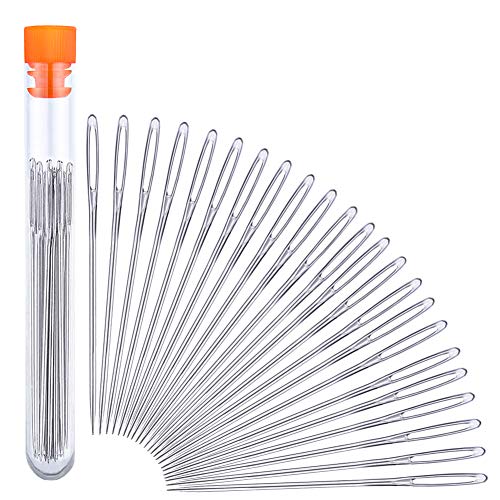
The material of your needle affects not just the speed of your knitting, but the integrity of the yarn itself. Metal needles are excellent for speed, but they can sometimes be too aggressive for very delicate, gossamer-weight mohair.
Wood and bamboo needles are more "breathable" and gentle, making them ideal for fibers that might be prone to pilling or snapping. However, they can show wear over time, especially at the tips, which can snag on fine mohair.
Always check your needles for burrs or rough spots before starting a project. Even the highest-quality needle can develop a snag, and with mohair, a single rough edge can ruin an entire row of stitches.
Tips for Managing Mohair Stitches on Needles
When working with mohair, keep your stitches close to the tips of your needles. This minimizes the amount of travel the yarn has to make, reducing the friction that occurs when pulling a stitch through a loop.
Try to avoid "working" the yarn too much. The more you manipulate a mohair stitch, the more the fibers will tangle, making it harder to move the stitch along the needle shaft.
If you find that your stitches are stubbornly stuck, don’t force them. Gently tap the needle or use a slightly smaller needle size for the next row to loosen the tension until you regain control.
How to Prevent Mohair From Splitting Stitches
Splitting occurs when your needle tip pierces the individual fibers of the yarn rather than sliding through the stitch loop. With mohair, this is especially common because the halo can obscure the center of the stitch.
To avoid this, focus on the "eye" of the stitch. Use your needle tip to gently push the halo aside and locate the core of the yarn before inserting your needle.
If you find yourself splitting stitches constantly, check your needle tip. If it is too sharp, it may be piercing the yarn; if it is too blunt, it may be pushing through the center of the plies. Switching to a different tip profile often solves the problem instantly.
Selecting the right needle for mohair is a personal journey that evolves with your skills and the specific yarn you choose. Whether you prefer the surgical precision of steel or the comforting grip of wood, the best needle is the one that lets you focus on the beauty of your stitches. Don’t be afraid to experiment with different materials until you find the perfect match for your hands. Happy knitting, and may your mohair projects be as light and airy as you imagined.