6 Best Respirator Filter Cartridges For Dye Dust
Protect your lungs from airborne dye particles. We review the 6 best respirator cartridges to ensure optimal filtration, safety, and comfort for your work.
When you start working with professional-grade powdered dyes, you quickly realize that these fine pigments behave much like silk mohair fibers—they float, cling, and travel everywhere. Protecting your lungs is just as vital as choosing the right needle material for a delicate lace project. These respirators ensure that your studio remains a place of creativity rather than a respiratory hazard. Investing in the right filtration is the most important step toward a long and healthy dyeing career.
3M 2091 P100 Particulate Filter: Best Overall Choice
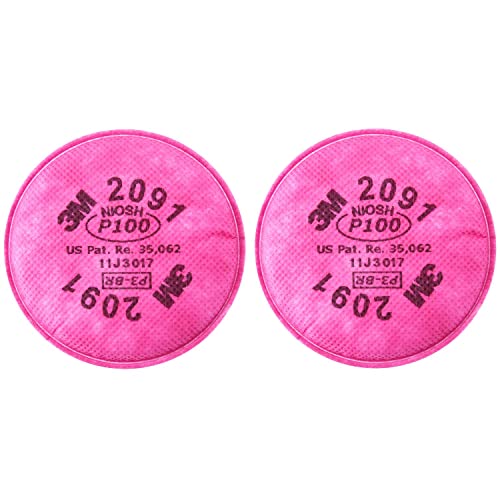

If you are just starting your journey into hand-dyeing wool or alpaca, the 3M 2091 is the gold standard for a reason. These pancake-style filters are lightweight, meaning they won’t weigh down your mask while you are hunched over a dye pot for hours.
They excel at blocking microscopic dye particles without making it feel like you are breathing through a heavy wool blanket. Because they are so slim, they don’t obstruct your line of sight when you are checking the saturation levels of your yarn.
The main tradeoff here is that they are strictly for particulates, not chemical vapors. If you are using acid dyes that require vinegar or other additives, they handle the dust well, but they won’t filter out the sharp scent of the steaming process.
GVS Elipse P100 Respirator: Best Low Profile Option
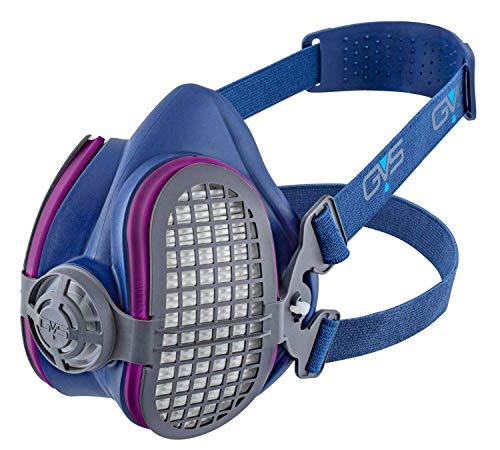
For those of us who wear glasses or need to lean in close to inspect a skein of yarn for consistent color absorption, the GVS Elipse is a revelation. Its compact design keeps the filters tucked out of the way, preventing that annoying interference with your safety goggles.
It is incredibly comfortable for long sessions, feeling almost like a second skin rather than a bulky piece of equipment. The ergonomic shape ensures a tight seal, which is critical when you are dealing with fine, airborne pigments that could stain your skin or irritate your throat.
Keep in mind that the low profile design means the filters are integrated into the unit. You won’t be swapping these out for different gas cartridges, so it is a dedicated tool for particulate protection only.
3M 60926 Multi-Gas/Vapor Cartridge: Best Versatility
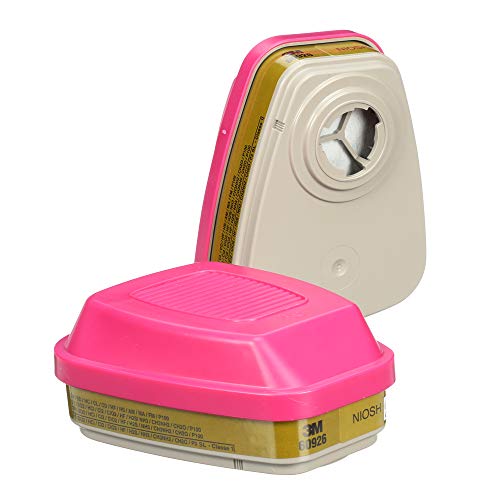
If your studio practice involves a mix of powdered dyes and various chemical mordants, this cartridge is your best friend. It offers a robust defense against both the fine dust of the dye and the potentially harsh vapors released during the heating process.
Think of this like a set of interchangeable needle tips; it provides the flexibility to handle whatever project is currently on your workbench. It is heavier than the slim filters, so expect a bit more weight on your face during a long day of dyeing.
Because it handles both dust and vapors, it is the most comprehensive choice for a serious dyer. Just be aware that the added bulk can feel a bit cumbersome if you are used to lighter equipment.
Honeywell North 7580P100: Best for Dye Dust Safety

The Honeywell North series is a favorite among professionals who prioritize a secure, airtight fit. These filters are specifically engineered to trap the finest dust particles, ensuring that not a single speck of dye powder enters your respiratory system.
They are incredibly durable, standing up to the humid, steamy environment of a home dye studio without losing their integrity. If you are working with high-pigment dyes that tend to "puff" into the air, this is the level of protection you need.
The tradeoff is the size; they are quite large and can feel a bit restrictive compared to the pancake-style filters. However, for sheer peace of mind, the trade-off in comfort is often worth the extra safety.
3M 2097 P100 Filter with Nuisance Odor Relief Layer

Anyone who has worked with certain dyes knows that they can carry a rather unpleasant, chemical-heavy scent. The 3M 2097 includes an extra layer of carbon that helps neutralize those nuisance odors while still providing full P100 particulate protection.
It is a fantastic middle ground for knitters who find the smell of the dyeing process distracting or irritating. It keeps the air feeling fresh, allowing you to focus entirely on the color transitions and depth of your yarn.
These filters are still relatively slim and lightweight, making them easy to wear during long, multi-step dyeing sessions. Just remember that the "nuisance odor" layer is not a replacement for full organic vapor protection if you are working with hazardous chemicals.
MSA Advantage P100 Filters: Best for Long Sessions

When you are planning a massive dye lot for a sweater project, you need gear that won’t give you a headache from sheer weight. The MSA Advantage filters are designed for comfort and extended wear, balancing effective filtration with a breathable design.
They are remarkably easy to attach and remove, which is a blessing when you need a quick break to check the color against your pattern swatch. The build quality is excellent, ensuring that the filter media stays effective even when exposed to the high humidity of a dye kitchen.
While they are excellent for long sessions, they do have a larger footprint than the pancake filters. Ensure your mask frame is compatible with the MSA bayonet connection before you commit to this system.
Why P100 Rated Filters Are Essential for Dyeing
In the fiber arts world, we often talk about the micron count of wool, but we must also consider the micron count of our dyes. P100 filters are rated to catch at least 99.97% of airborne particles, which is exactly what you need to stop fine pigment dust from reaching your lungs.
Unlike lower-rated masks, a P100 filter provides a physical barrier that is fine enough to stop even the most microscopic dye particles. If you can see the dust floating in a sunbeam, you are already breathing it in unless you have this level of protection.
Never settle for simple paper masks, as they lack the seal and filtration efficiency required for powdered dyes. Your lungs are as delicate as a hand-dyed lace shawl; treat them with the same level of care and protection.
How to Properly Fit Test Your Dyeing Respirator
A filter is only as good as the seal it creates against your skin. Before you start your first dye bath, perform a positive and negative pressure check to ensure no air is leaking around the edges of the mask.
- Positive Pressure: Cover the exhaust valve and exhale gently; if the mask bulges slightly without air escaping, you have a good seal.
- Negative Pressure: Cover the filter inlets and inhale; the mask should collapse against your face, indicating no air is leaking in from the outside.
If you have facial hair, be aware that it can break the seal, allowing dust to bypass the filter entirely. For the best protection, you need a clean-shaven face or a specialized hood that accommodates your facial hair.
When to Replace Your Dye Dust Filter Cartridges
Much like your knitting needles eventually show wear or your yarn becomes depleted, your filters have a finite lifespan. If you notice an increase in breathing resistance, it is time to swap them out immediately.
If you can smell the dye or the chemical additives through the mask, the filter media is likely saturated or the seal has failed. Even if they feel fine, keep a log of your hours and replace them according to the manufacturer’s recommendations to stay on the safe side.
Don’t try to "stretch" the life of your filters by washing or blowing them out. Once the filter media is clogged with dye particles, it loses its efficiency and becomes a liability rather than an asset.
Essential Safety Tips for Handling Powdered Dyes
Always work in a well-ventilated area, and try to mix your powders in a draft-free zone to prevent the dust from becoming airborne in the first place. Use a dedicated scoop and handle the powder gently, as if you were handling a fragile, hand-spun silk yarn.
Keep a damp cloth nearby to wipe down your workspace immediately after mixing; this prevents dry pigment from settling and becoming airborne later. Never eat or drink in the area where you are handling dry dye powders to avoid accidental ingestion.
- Always wear gloves to protect your skin from staining and potential absorption.
- Use a dedicated apron to keep your clothes free of dye dust.
- Store your powders in airtight containers to prevent accidental spills and dust accumulation.
Protecting your health is the foundation of a sustainable and joyful dyeing practice. By choosing the right P100 respirator and maintaining your gear with the same attention you give your finest wools, you ensure that your studio remains a place for beautiful creations. Stay safe, keep your workspace clean, and enjoy the magical process of transforming raw fiber into vibrant, color-rich yarn.