6 Best Circular Needles For Large Blankets To Try
Knitting large blankets requires the right tools. We review the 6 best circular needles for comfort, cable flexibility, and seamless stitches for your project.
Knitting a large blanket is a marathon, not a sprint, and your choice of circular needles can determine whether you finish that heirloom or abandon it in a closet. When you are managing hundreds of stitches at once, the weight of the fabric and the flexibility of your tools become paramount. The right needles should act as an extension of your hands rather than a source of fatigue. This guide explores the best circular needles designed to handle the sheer scale of oversized knitting projects.
ChiaoGoo Red Lace: Best for Smooth Transitions
The ChiaoGoo Red Lace needles are legendary for their seamless join between the tip and the cable. When you are working on a massive blanket, the last thing you want is for your yarn to snag on a rough connection point every single row.


These needles feature a multi-strand steel cable coated in nylon that is incredibly flexible and memory-free. This means the cable won’t hold tight, annoying coils that fight against you while you try to maneuver a heavy blanket in your lap.
The tips are quite sharp, which is excellent for complex stitch patterns or working with plied wools that might otherwise split. If you find the points too aggressive for your personal style, just keep in mind that they are designed for precision, not comfort-focused bluntness.
Addi Turbo Circulars: Best for Fast Knitting
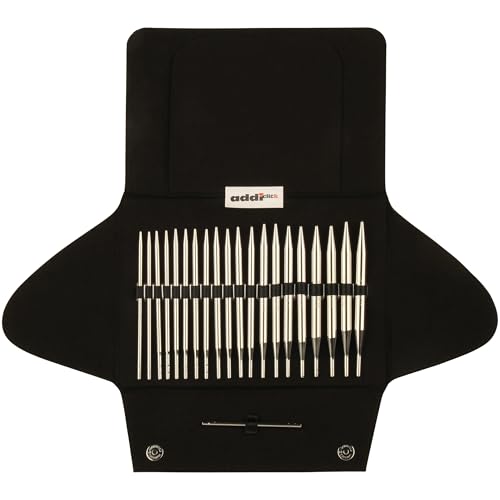
Addi Turbos are the workhorses of the knitting world, known for their slipperiness and speed. If you are knitting a simple garter stitch blanket with a smooth acrylic or superwash wool, these needles will help you fly through the yardage.
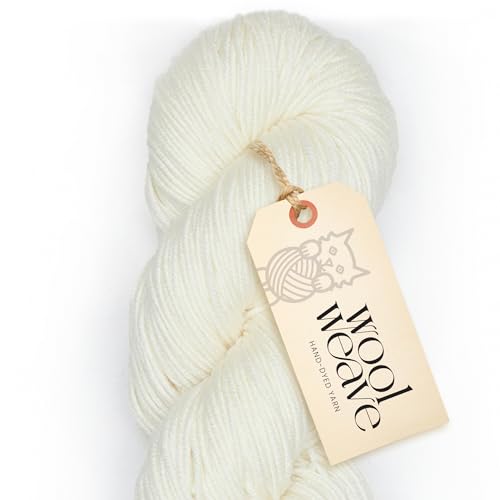
The nickel-plated brass finish allows stitches to glide effortlessly from one needle to the other. This reduces the strain on your wrists, especially when the weight of the blanket starts to pull on your hands after an hour of work.
However, keep in mind that these needles are very slick. If you are using a slippery yarn like silk or rayon, your stitches might slide off the tips more easily than you’d like.
HiyaHiya Sharp Needles: Best for Precision Work

HiyaHiya Sharps offer a unique combination of a tapered, pinpoint tip and a remarkably smooth swivel cable. These are the needles you reach for when your blanket pattern involves cables, lace panels, or intricate bobbles.
The swivel join is a game-changer for large projects because it allows the needle tip to rotate independently of the cable. This prevents the cable from twisting up as you turn your work, which is a common frustration when managing a heavy, bulky blanket.
While the tips are very sharp, they are not so pointed that they will pierce your skin during long knitting sessions. They provide the perfect balance for makers who need to manipulate individual strands of yarn with absolute control.
Knitter’s Pride Karbonz: Best for Grip and Feel
Knitter’s Pride Karbonz are crafted from carbon fiber, a material that feels warm to the touch and offers a subtle, natural grip. Unlike cold metal needles, these won’t cause your hands to ache during long, repetitive sessions.
The tips are made of plated brass, providing a smooth transition for your stitches, while the carbon fiber body ensures the needles are lightweight and incredibly strong. This is an essential feature when you are working with a heavy blanket that puts significant stress on your tools.
These are an excellent choice if you tend to drop stitches or if you find that your yarn slides off metal needles too easily. The slight texture of the carbon fiber acts as a stabilizer for your tension.
Lykke Driftwood Circulars: Best for Comfort
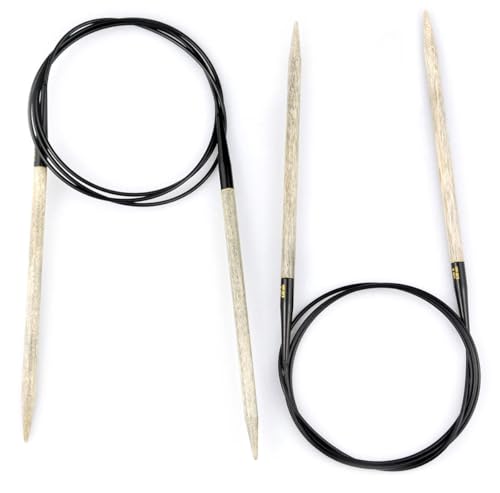
Lykke Driftwood needles are made from smooth, polished birch wood that feels like silk in your hands. If you are knitting a blanket for a long-term project, the ergonomic comfort of these needles is hard to beat.
Because they are wood, they have a natural "grab" that keeps your stitches exactly where you want them. This is particularly helpful when working with slippery fibers like alpaca or cotton, which can be prone to sliding off metal needles.
The aesthetic is beautiful, but the performance is strictly professional. They are durable, lightweight, and provide a tactile experience that makes the slow process of knitting a large blanket feel like a meditative practice.
Clover Takumi Bamboo: Best for Large Projects
Clover Takumi bamboo needles are the gold standard for lightweight, affordable, and reliable knitting. They are exceptionally light, which is a massive advantage when you have five pounds of blanket resting on your needles.
The bamboo surface is perfectly smooth but has enough friction to hold your yarn securely. This makes them ideal for beginners or for those who find metal needles too fast and hard to control.
While they aren’t as strong as metal or carbon fiber, they are more than durable enough for most blanket projects. If you are worried about the tips wearing down over time, rest assured that they are easy to replace without breaking the bank.
Why Cable Length Matters for Blanket Knitting
Choosing the right cable length is as important as choosing the right needle material. For a large blanket, you need a cable long enough to hold all your stitches comfortably without them being crammed together.
- 32-inch to 40-inch cables: Best for standard baby blankets or lap throws.
- 47-inch to 60-inch cables: Necessary for full-sized afghans to ensure the weight is distributed across the cable rather than pulling on the tips.
If your cable is too short, your stitches will be bunched up, making it difficult to see your pattern and causing unnecessary strain on your hands. Always aim for a cable that allows the stitches to sit comfortably without being overly stretched.
Choosing Between Metal and Wood Needle Tips
The debate between metal and wood needles often comes down to your personal knitting speed and the type of yarn you are using. Metal needles are generally faster and better for "sticky" yarns like wool that might otherwise cling to the needle surface.
Wood needles, by contrast, provide more control and are often preferred for slippery yarns that move too fast on metal. They are also quieter, which can be a relief if you knit while watching television or sitting in a quiet room.
If you are a tight knitter, a slick metal needle can sometimes help you loosen your tension. Conversely, if you are a loose knitter, a wooden needle can help you maintain a more consistent gauge by providing a bit of resistance.
How to Prevent Cable Kinks in Large Projects
Cable kinks are the bane of every blanket knitter’s existence, often caused by storing needles with the cable tightly coiled. To avoid this, always store your circular needles hanging vertically or in a case that allows the cable to remain straight.
If you find your cable is already kinked, you can often "relax" it by soaking it in warm (not boiling) water for a few minutes. Gently straighten the cable while the plastic is pliable, then let it cool completely before using it again.
Avoid using force to straighten a kinked cable, as this can weaken the plastic or damage the join. A well-maintained cable will last for years, saving you from frustration during the final stages of a large project.
Essential Tips for Managing Heavy Blanket Weight
When you are working on a massive blanket, the weight of the project can actually cause repetitive strain injuries if you aren’t careful. The best strategy is to let your lap or a side table support the weight of the blanket as you knit.
Never let the weight of the project hang from the needles while you take a break. Instead, place the blanket on a flat surface or a pillow so that the needles are only responsible for the few stitches currently on them.
Consider using a circular needle with a very flexible, thin cable to reduce the leverage the blanket has on your wrists. By managing the weight properly, you can turn a grueling marathon into a comfortable, enjoyable knitting experience.
Selecting the right needles for a large blanket is a vital step in ensuring your project remains a joy from the first cast-on to the final bind-off. Whether you prefer the speed of metal or the gentle grip of wood, prioritize ergonomics and cable quality to protect your hands. Remember that your choice is not permanent; you can always switch needles if a project feels cumbersome or slow. Happy knitting, and may your stitches remain even and your cables stay kink-free.