6 Best Needle Grippers For Changing Interchangeable Tips
Struggling with tight interchangeable needles? We review the 6 best needle grippers to help you secure tips effortlessly and improve your knitting workflow.
Struggling to tighten your interchangeable needle tips is a rite of passage for every knitter, often resulting in snagged yarn or mid-row disasters. A reliable set of needle grippers provides the necessary friction to lock your cables and tips together securely without straining your hands. These small, unassuming tools are the difference between a seamless knitting experience and the frustration of a needle coming loose mid-project. Investing in a quality gripper ensures your equipment works with you, not against you.


ChiaoGoo Rubber Gripper: The Industry Standard
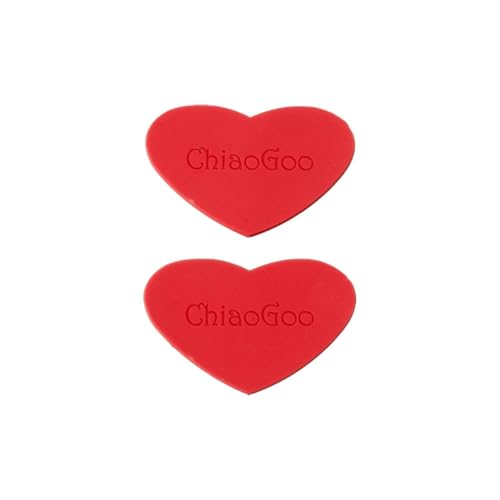
The ChiaoGoo rubber gripper is the ubiquitous gold standard for a reason: it works consistently across almost every metal needle surface. Its simple, flat design provides a high-friction surface that makes gripping slick stainless steel needles effortless.
Because these grippers are thin and flexible, they don’t add unnecessary bulk to your notions bag. They are particularly effective for knitters who use the ChiaoGoo TWIST or SPIN systems, as the material is specifically calibrated to provide maximum torque during the "tighten and twist" motion.
The bottom line is that these are the workhorses of the knitting world. If you want a no-nonsense tool that simply gets the job done, keep a pair of these in your project bag at all times.
Addi Heart-Shaped Gripper: Best for Ergonomics

If you suffer from hand fatigue or arthritis, the Addi heart-shaped gripper is a game-changer. The unique shape allows you to pinch the tool comfortably, providing a larger surface area for your fingers to exert pressure without needing a tight, painful grip.
This ergonomic advantage is crucial when you are switching between needle sizes frequently. The heart shape naturally fits into the palm or between the thumb and forefinger, distributing the force more evenly across your hand.
While they are slightly bulkier than flat rubber squares, the comfort factor makes them worth the extra space. They are an excellent choice for knitters who prioritize hand health during long sessions of lace or stranded colorwork.
KnitPicks Rubber Squares: Best Value Choice
KnitPicks rubber squares are the quintessential "buy in bulk" option for the practical knitter. These simple, textured squares provide excellent grip and are inexpensive enough that you can stash one in every single project bag you own.
Because they are so affordable, you never have to worry about losing one in the couch cushions or leaving it at your local knitting group. They perform just as well as more expensive brands, offering a reliable, tacky surface that prevents needles from slipping during the connection process.
If you are just starting your interchangeable collection, these are the best way to ensure you are never without a tool. They provide reliable performance without the premium price tag.
HiyaHiya Panda Grippers: Best for Small Hands

The HiyaHiya Panda grippers are as functional as they are adorable, offering a textured surface that is perfect for smaller hands. Their compact size makes them easy to maneuver, especially when you are working with the tiny needle tips required for delicate lace projects.
Many knitters find that standard-sized grippers feel clumsy when trying to tighten 2.0mm or 2.25mm needles. These grippers provide just enough surface area to secure the connection without covering the entire needle tip, allowing for better visibility and control.
They are a fantastic choice for knitters who find standard grippers too cumbersome. You get a secure, firm grip that makes changing tips feel precise rather than forced.
Knitter’s Pride Heart Grips: Reliable Choice

Knitter’s Pride heart grips offer a sturdy, reliable alternative to standard rubber squares. They are designed to be durable, maintaining their tackiness even after months of heavy use in a busy knitting studio.
The material is slightly firmer than other options, which some knitters prefer for a more "solid" feel when tightening. They are particularly effective for securing connections on wooden or bamboo needles, where you need a bit more grip to overcome the natural texture of the needle material.
These are a solid, dependable choice for any knitter’s kit. They bridge the gap between simple rubber squares and ergonomic specialty tools, offering a balance of both.
Cocoknits Mesh Grippers: Best for Tiny Tips
Cocoknits mesh grippers are a modern solution to the age-old problem of slippery needle tips. The mesh texture provides an incredible amount of surface friction, allowing you to grip even the slickest, finest needle tips with minimal pressure.
These are particularly useful for lace knitters who use very small diameter needles that are difficult to hold onto. The mesh material conforms slightly to the needle, ensuring a secure hold that prevents the needle from rotating while you tighten the cable.
If you find that standard rubber grippers just aren’t cutting it on your fine-gauge projects, these are the solution. They represent a clever, functional design that addresses the specific needs of precision knitting.
Why You Need Grippers for Interchangeable Sets

Interchangeable needles rely on a threaded connection that must be tightened securely to prevent the cable from unscrewing while you knit. Without a gripper, it is nearly impossible to generate enough torque to seat the connection properly.
Failing to use a gripper often leads to the "gap" problem, where yarn snags on the junction between the cable and the needle tip. This is not just annoying; it can actually split your yarn, particularly with delicate fibers like silk or high-twist wool.
Think of grippers as a preventive maintenance tool for your needles. By ensuring a tight, flush connection, you extend the life of your cables and keep your knitting rhythm smooth and uninterrupted.
How to Use Grippers for a Secure Connection
To get the best results, place the gripper on the needle tip and hold it firmly while using your other hand to rotate the cable connector. Do not use the cable itself to tighten; always grip the metal or plastic connector piece at the end of the cable.
The key is to apply a "tighten and twist" motion. Once you feel the connection hit the stop, give it one final, firm nudge with the gripper to ensure it is locked in place.
Avoid over-tightening, as this can make the needles difficult to remove later. You want a secure, snug fit, not a permanent weld that requires pliers to undo.
Troubleshooting Stuck Interchangeable Joints
If you find yourself with a stuck needle tip that simply won’t budge, don’t panic or reach for metal tools that might scratch the finish. First, try using two grippers—one on the needle and one on the cable connector—to provide maximum friction and leverage.
If the joint remains stuck, place the needle in the freezer for ten minutes. The cold can cause the metal to contract slightly, which is often enough to break the seal and allow you to unscrew the tip.
Always remember that prevention is better than cure. If you find your needles consistently getting stuck, you may be overtightening them during the setup phase.
Essential Maintenance for Needle Connectors
Over time, the threads on your needle tips and cables can accumulate dust, fiber bits, and natural oils from your hands. This debris can make it harder to get a clean, secure connection.
Periodically wipe the threads with a slightly damp cloth to remove any buildup. You can also use a soft toothbrush to gently clean the threads on the cable connector, ensuring that the connection remains smooth and easy to tighten.
Keeping your connectors clean is just as important as using the right gripper. A clean, well-maintained set of needles will perform better and last significantly longer, saving you money and frustration in the long run.
Investing in a quality set of needle grippers is one of the most cost-effective ways to improve your knitting experience. By choosing the right tool for your specific hand size and needle preference, you can eliminate snagged yarn and loose joints for good. Remember that these small tools are designed to facilitate a secure connection, not to provide an excuse for over-tightening. Keep your gear clean, use your grippers consistently, and enjoy the seamless flow of your next project.