6 Best Sewing Machine Lights For Knitwear Assembly
Illuminate your knitwear projects with our top 6 sewing machine lights. Discover how improved visibility ensures precise seams and perfect stitch consistency.
Assembling knitwear is the final, high-stakes hurdle where hours of meticulous knitting are transformed into a finished garment. Without proper illumination, even the most precise mattress stitch can go astray, especially when working with dark, fuzzy, or high-twist yarns. Investing in a dedicated light source ensures you catch every loop and seam with absolute clarity. These six lighting solutions are designed to turn your sewing machine into a precision tool for professional-grade finishing.
OttLite LED Sewing Machine Lamp: Best Overall


When you are seaming a complex sweater, the OttLite is the gold standard for color accuracy. Its proprietary technology mimics natural daylight, which is essential when you are matching yarn dye lots or working with subtle tonal variations.
The lamp is incredibly versatile, providing a steady, flicker-free glow that reduces eye strain during marathon assembly sessions. Because it uses a flexible arm, you can direct the light exactly where the needle meets the fabric, preventing shadows from obscuring your seam line.
The only real trade-off is the footprint; it is a dedicated lamp rather than a small clip-on. However, for the knitter who values consistent, high-quality light over portability, this is the most reliable tool in the studio.
EverSewn Universal LED Sewing Light Strip

This flexible LED strip is a game-changer for knitters who find the built-in bulbs on vintage or entry-level machines to be woefully inadequate. It adheres directly to the machine housing, casting a wide, even arc of light across the entire needle plate.
Because the strip is customizable, you can cut it to fit the specific contours of your machine. This is particularly helpful when you are maneuvering bulky pieces like a sweater body or a heavy wool coat, as it keeps the entire working area illuminated.
One thing to keep in mind: the adhesive backing is permanent once set. Make sure you test the placement with painter’s tape before committing to the final position to ensure it doesn’t interfere with your hand placement.
Dritz Magnetic Sewing Machine LED Light
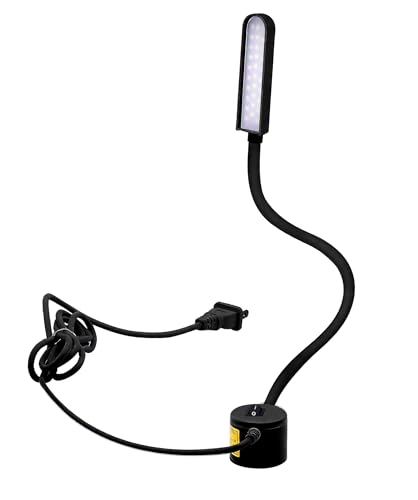
The Dritz magnetic light is the ultimate "set it and forget it" solution for the busy knitter. Its magnetic base allows you to snap it onto any metal surface on your machine, making it incredibly easy to reposition as you move from seaming side seams to setting in sleeves.
The gooseneck design is sturdy, meaning it won’t drift or sag even if your sewing machine experiences high vibration during a long seaming session. It is bright enough to highlight the texture of mohair or alpaca without causing the glare that often happens with cheaper, plastic-encased lights.
While it is perfect for metal-bodied machines, it won’t work on plastic-cased models unless you add a small metal mounting plate. Always check your machine’s material before purchasing, as this is a common point of frustration.
TaskPro Flexible Gooseneck LED Light

If you are working on intricate assembly, such as grafting ribbing or seaming fine-gauge lace, the TaskPro offers the focused beam you need. Its narrow, intense light cuts through the "fuzz" of wool, allowing you to see the individual stitches clearly.
This light is designed for precision, not broad coverage. If you are the type of knitter who needs to see the exact path of your tapestry needle through a stitch, this is the tool that will prevent you from accidentally splitting a ply of yarn.
The trade-off is that it can create a "hot spot" of light. Use it in conjunction with your room’s ambient lighting to avoid high-contrast fatigue, which can tire your eyes faster than a duller, broader light.
Reveal LED Sewing Machine Lighting Kit
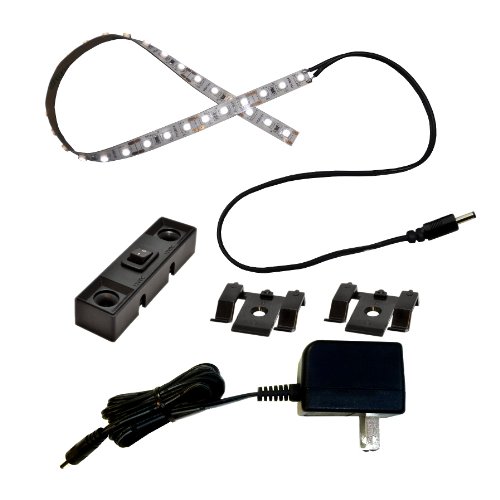
The Reveal kit is designed to provide a high-contrast, cool-white light that makes dark-colored yarns pop. If you have ever struggled to see black or navy blue superwash wool under dim indoor lighting, you know exactly how vital this contrast can be.
The kit includes everything you need to mount it securely, and the light output is remarkably consistent. It illuminates the needle area without creating the harsh, blinding glare that reflects off shiny metal presser feet.
Because the light is quite bright, it is best suited for those who do a lot of night knitting or work in rooms with limited natural light. It turns a dark, shadowy workspace into a laboratory-like environment where every stitch is visible.
Daylight Company Slimline LED Machine Light

This is the luxury option for the serious garment maker. The Daylight Company is known for high-CRI (Color Rendering Index) lighting, which is crucial for knitters who need to see the true color of their yarn, especially when color-blocking or stranded knitting.
The slim profile is a major benefit, as it doesn’t get in the way of your arms or the fabric you are feeding through the machine. It feels like a professional piece of equipment that integrates seamlessly into your sewing setup.
It is a more expensive investment, but the durability and light quality are unmatched. If you are building a lifetime studio, this is the light you buy once and never have to replace.
Why Lighting Matters for Precision Knit Assembly
When you are seaming, your eyes are working harder than they do during the actual knitting process. You are no longer just looking at a stitch; you are looking for the "V" of the knit stitch to ensure your seam is invisible and structurally sound.
Proper lighting prevents the "fuzzy" look that happens when your eyes struggle to focus on dark or highly textured fibers. It also helps you avoid the dreaded "split stitch," where your needle accidentally pierces a ply instead of gliding through the center of the loop.
Ultimately, good light leads to better tension. When you can see your work clearly, you are less likely to pull the seam too tight, ensuring your finished garment retains the correct drape and elasticity.
Choosing Between Magnetic and Adhesive Mounts
Magnetic mounts are the gold standard for flexibility and ease of use. They allow you to shift your light source between different machines or adjust it mid-project to accommodate different seam angles.
Adhesive mounts, conversely, offer a permanent, low-profile solution that won’t shift during high-speed sewing. They are ideal if you have one primary machine that you use for all your seaming and assembly tasks.
If you are unsure, start with a magnetic mount. It allows you to experiment with different lighting angles without leaving residue on your machine’s finish.
Color Temperature Guide for Accurate Seaming
Color temperature is measured in Kelvins (K), and it dictates the "warmth" or "coolness" of your light. For knitting assembly, look for lights in the 5000K to 6500K range, which closely mimics daylight.
Warmer lights (3000K) can make it difficult to distinguish between similar shades of yarn, such as charcoal and black. Cool, daylight-balanced light provides the high contrast needed to see the structure of the yarn clearly.
Always prioritize high-CRI bulbs, as these ensure that the colors you see under your machine are the same ones you saw in the yarn shop. This is non-negotiable for high-end projects where color accuracy is paramount.
Essential Tips for Lighting Your Workstation
Don’t rely on a single light source; your sewing machine light should work in tandem with your overhead room lighting. This prevents the "tunnel vision" effect that happens when your focus is bright but the rest of the room is dark.
Keep your light source as close to the needle as possible without it blocking your hands. If you find the light is reflecting off your needle, try angling it from the side rather than directly from the front.
Finally, clean your light fixture regularly. Dust and lint from wool and acrylic fibers can settle on the lens, significantly dimming the output over time.
Choosing the right sewing machine light is as important as choosing the right needle for your project’s gauge. By investing in proper illumination, you eliminate the guesswork and fatigue that often plague the final stages of garment assembly. Whether you prefer a magnetic mount or a permanent adhesive strip, the goal is to create a workspace that supports your craft. With these tools, you can ensure that your finished knitwear looks as professional on the inside as it does on the outside.