6 Best Label Tags For Tracking Dye Recipes To Try
Organize your textile projects with these 6 top label tags. Discover durable, heat-resistant options perfect for tracking precise dye recipes and formulas.
There is nothing more heartbreaking than finishing a beautiful, custom-dyed sweater only to realize you cannot replicate that specific shade of mossy forest green for a matching cowl. As a knitter, I have learned that the beauty of hand-dyed yarn is often its greatest weakness when it comes to long-term project planning. These six labeling solutions will help you build a professional-grade archive of your dye experiments. By tracking your process, you transform every "happy accident" into a repeatable, reliable recipe.
Avery Durable Waterproof ID Labels for Dye Lots


These labels are a lifesaver when you are working in a wet studio environment where spills are inevitable. Because they are designed to resist water and oil, they won’t disintegrate the moment a stray drop of indigo or acid dye hits them.
When you are soaking skeins or rinsing out excess pigment, standard paper labels turn into a soggy, unreadable mess. These Avery labels stay crisp and legible even if your hands are damp from handling wet wool.
The adhesive is quite strong, so be mindful of where you place them. Avoid sticking them directly onto delicate fibers like raw silk or mohair, as the residue can be difficult to remove later.
Brother P-Touch PT-H110 Label Maker for Recipes

If your handwriting is as messy as mine after a long day of dyeing, a label maker is your best friend. The PT-H110 produces clean, uniform text that remains perfectly readable years after the dye has cured.
This tool is excellent for creating consistent, professional-looking tabs for your sample cards. You can easily include the date, the fiber content, and the specific dye brand on a single, compact strip.
Keep in mind that the standard tape is not always archival-grade. If you plan to store your samples in a high-humidity area, look for the "extra strength" or "laminated" tape refills to ensure the text doesn’t flake off over time.
Rite in the Rain Weatherproof Journaling Tags

These tags are designed for field work, which makes them uniquely suited for the rigors of a dye studio. They are essentially indestructible, standing up to heat, water, and rough handling without tearing.
I find these particularly useful for hanging directly on a skein’s tie. Because they have a pre-punched hole, you can secure them with cotton twine that won’t bleed color into your yarn during the dye bath.
They do require a specific type of pen, though. Using a standard ballpoint on these synthetic surfaces can result in smearing, so always pair them with a permanent, quick-drying marker.
Kearing Heat Erasable Fabric Marking Tags

These tags are a brilliant solution for temporary tracking during the actual dyeing process. You can jot down your dye percentages or immersion times directly on the tag while you work.
The magic happens when you need to clear the slate; a quick pass with a hairdryer or a warm iron wipes the tag clean. This makes them reusable, which is a massive bonus if you are constantly iterating on your colors.
Do not use these for long-term storage, however. The ink can sometimes reappear if the tag is exposed to extreme cold, which might lead to confusion if you store your yarn samples in a drafty basement or unheated storage unit.
Tag-a-Long Heavy Duty Tyvek Inventory Tags

Tyvek is the gold standard for durability in the fiber arts world because it is nearly impossible to rip. These tags are perfect for marking heavy hanks of yarn that will be moved around, packed, and unpacked frequently.
Because they are so sturdy, they are ideal for labeling your "master skeins" that live in your permanent reference library. You can write extensive notes on both sides without worrying about the tag curling or bending.
The surface is slightly textured, which can make fine-tipped pens skip a bit. I suggest using a felt-tip permanent marker to ensure your recipe notes remain bold and clear for years to come.
Fiskars Self-Adhesive Reinforced Filing Tabs
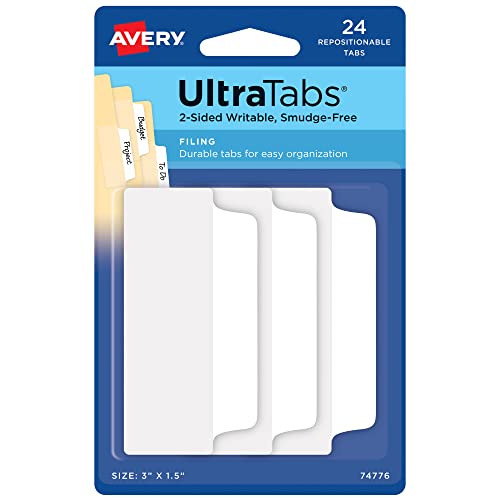
When you are organizing your dye samples into a binder or a swatch book, these tabs provide the necessary structure. They help you categorize your recipes by color family or fiber type, making your reference library much more intuitive.
The reinforcement is the key feature here; it prevents the holes from tearing when you flip through your binder repeatedly. This is essential for those of us who reference our archives as often as we reference our knitting patterns.
Be aware that these are paper-based, so they aren’t meant to be dropped into the dye pot. Use these exclusively for your organized sample books, not for the physical yarn skeins themselves.
Why Tracking Dye Recipes Matters for Consistency
Consistency is the difference between a hobbyist and a master dyer. Even a small change in the water’s pH or the amount of time the yarn spends in the pot can shift a color from a soft lavender to a muddy grey.
Without a record, you are essentially gambling every time you start a new batch. By tracking your variables, you create a baseline that allows you to troubleshoot when a color doesn’t turn out as expected.
Think of your dye records like a knitting pattern. You wouldn’t attempt a complex lace shawl without a chart, so don’t attempt a complex colorway without a recipe.
Essential Data Points for Every Dye Lot Record
To make a recipe truly useful, you must record more than just the dye name. You need the "why" and the "how" behind the color.
- Fiber content: (e.g., 100% Superwash Merino vs. 75/25 Wool-Nylon blend)
- Water-to-yarn ratio: Crucial for exhaustion dyeing.
- Dye percentages: Always record in grams or percentages of WOF (Weight of Fiber).
- Additives: Did you use citric acid, vinegar, or Glauber’s salt?
Recording the ambient temperature and the water source can also be illuminating. You will be surprised how much these minor details affect the final saturation of your fibers.
Choosing Archival Inks for Long-Term Legibility
Standard office pens are often acidic and will fade or eat through your tags over time. When you are documenting your life’s work, you want ink that stands the test of time.
Look for pens labeled "archival" or "permanent" with pigment-based ink. These are designed to be lightfast and water-resistant, ensuring your recipe remains readable even if the tag is exposed to sunlight or moisture.
Avoid gel pens, as they tend to smear and are rarely archival. A high-quality pigment liner, often used by artists for technical drawing, is the best investment you can make for your dye journal.
Best Practices for Organizing Your Dye Samples
The best record is the one you actually use. I recommend keeping a physical swatch book alongside your digital notes so you can see and feel the color under different lighting conditions.
Attach a small snippet of the yarn to your recipe card using a piece of waste yarn or a small safety pin. This gives you a tactile reference that you can hold up against your stash to see if it matches.
Finally, keep your samples out of direct sunlight. Even the best-dyed yarn will fade if left on a windowsill for a year, which will make your reference library inaccurate.
Tracking your dye recipes is an investment in your future projects that pays dividends in confidence and creative freedom. By choosing the right labels and keeping meticulous records, you ensure that your unique colorways remain a part of your craft for years to come. Don’t be afraid to experiment, but always remember that a well-labeled experiment is the foundation of a masterpiece. Happy dyeing, and may your colors always stay true to your vision.