6 Best Sweater Combs For Fiber Grooming Worth Owning
Maintain your knitwear with ease. Discover the six best sweater combs to remove pilling and restore your favorite garments to their original, smooth state.
There is nothing more heartbreaking than pulling your favorite hand-knit sweater out of storage only to find it covered in unsightly, matted pills. As a knitter, you’ve poured hours of labor into every stitch, so maintaining that fabric is just as important as the initial cast-on. Investing in a quality sweater comb or shaver can breathe new life into tired fibers and keep your handiwork looking gallery-ready. Here are the tools I recommend to protect your hard-earned stitches.
Gleener Ultimate Fuzz Remover: Best Overall Pick
The Gleener is a standout because it offers a three-in-one approach that respects the integrity of different yarn weights. It utilizes interchangeable edges, allowing you to switch between settings for heavy, medium, and delicate knits.
For a knitter working with rustic, high-twist wools, the heavy-duty edge is a lifesaver. However, if you are working with a delicate, single-ply cashmere or a fine alpaca blend, you can swap to the gentlest edge to avoid "plucking" the fiber.
The real advantage here is the manual control. Unlike electric shavers, you feel the tension against the fabric, which prevents you from accidentally slicing into a precious cable or lace motif.
The Laundress Sweater Stone: Best Natural Option
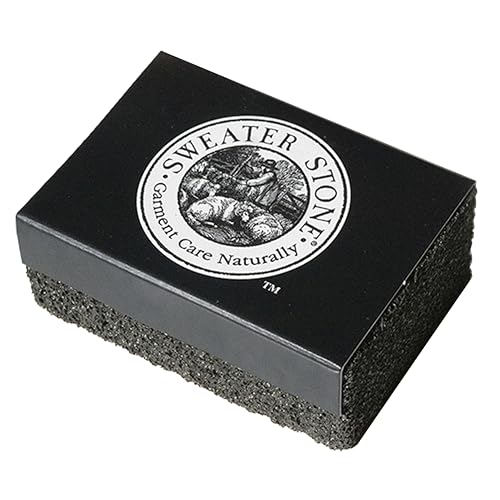

If you prefer a chemical-free, tactile approach to garment care, the sweater stone is an excellent choice. It works by gently abrading the surface of the knit to lift away loose fibers and pills.
It is particularly effective on heavy-gauge, natural fibers like wool or mohair blends. Because it is essentially a porous volcanic rock, it grabs onto the loose ends of the yarn rather than cutting them off.
Be warned: this tool leaves behind a bit of "dust" as it wears down, so use it over a flat surface. It’s a rhythmic, meditative process that feels very much in line with the slow-fashion ethos of hand knitting.
D-Fuzz-It Fabric Comb: Best Portable Tool Choice

The D-Fuzz-It is a classic for a reason; it is small enough to tuck into your knitting bag alongside your circular needles and project notebook. It is a simple, non-electric comb that relies on a fine metal mesh to snag pills.
I keep one in my travel kit specifically for when I’m wearing a hand-knit garment on the go. It’s perfect for quick touch-ups on sleeves or underarms where friction is highest.
Because it lacks a motor, there is zero risk of it running out of batteries while you are away from home. It is a humble, reliable tool that reminds us that sometimes, the simplest technology is the most effective.
Philips Fabric Shaver: Best for Heavy Pilling
When you have a sweater that has seen years of heavy wear, an electric shaver like the Philips model is often the only way to restore its appearance. It features a large shaving head and a powerful motor that makes quick work of stubborn, matted fuzz.
The height-adjustable guard is the most important feature for a knitter. By setting the guard, you create a buffer between the blade and your delicate stitches, ensuring you don’t accidentally create a hole.
It is best suited for synthetic blends or tightly spun, non-superwash wools. If you are working with fuzzy fibers like angora, use extreme caution, as the motor can pull too much fiber from the twist.
Conair Fabric Shaver: Best Budget-Friendly Tool

The Conair shaver is a staple in many households because it is accessible and gets the job done without a high price tag. It is a great entry-level tool if you are nervous about using sharp blades on your hand-knits.
It works well on standard, plied yarns like worsted-weight merino. While it might not have the longevity of a professional-grade tool, it provides enough power to clear up seasonal pilling on your everyday sweaters.
Always test it on an inconspicuous area first, like the inside of a hem. It’s a reliable workhorse that proves you don’t need to spend a fortune to keep your knitwear looking sharp.
Jiffy Fabric Shaver: Best for Delicate Knits
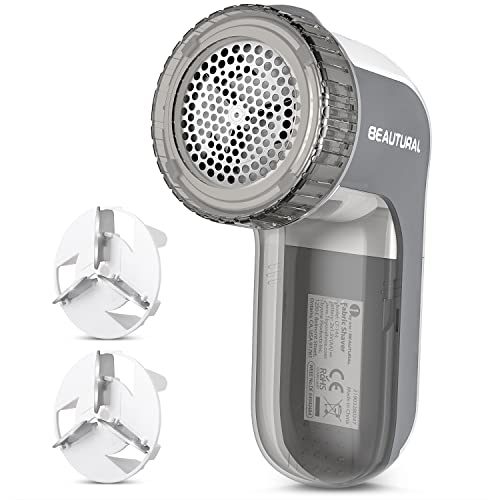
The Jiffy is designed with a focus on precision, making it the preferred choice for knitters who work with luxury fibers. It operates with a gentler touch, which is essential for hand-dyed yarns or delicate lace projects.
Because it is less aggressive than a standard heavy-duty shaver, it doesn’t "eat" the yarn. This is vital when you’ve spent weeks knitting a complex pattern where a single snag could ruin the entire aesthetic.
If you are a fan of fine-gauge knitting or delicate luxury blends, this tool offers the peace of mind you need. It treats your yarn with the same care you used when knitting it.
How to Choose the Right Comb for Your Fiber Type
Choosing the right tool depends entirely on the fiber content and the twist of your yarn. A high-twist, smooth merino will behave very differently under a comb than a lofty, brushed alpaca or a soft, single-ply wool.
- For Superwash Wool: Use a manual comb or a low-power electric shaver; these fibers are already processed and can be prone to stretching.
- For Mohair/Angora: Avoid electric shavers entirely, as they will shred the delicate halo that makes these fibers beautiful.
- For Synthetic Blends: These are usually resilient and can handle the more aggressive electric shavers.
Always consider your gauge as well. A tight, dense gauge can handle more pressure than a loose, airy fabric.
Understanding Pilling and Why Your Sweaters Fuzz
Pilling is a natural byproduct of fiber friction, not necessarily a sign of poor quality yarn. When loose ends of fiber work their way to the surface of the fabric, they tangle together into tiny balls.
Soft, short-staple fibers are much more prone to pilling than long-staple, tightly twisted yarns. If you’ve knitted a sweater with a high-twist, multi-ply yarn, you will likely see fewer pills than if you used a soft, single-ply roving-style yarn.
Don’t be discouraged by pilling on your hand-knits. It is simply the nature of natural fiber; regular maintenance is just part of the lifecycle of a well-loved garment.
Essential Techniques for Safe Sweater Grooming
The golden rule of sweater grooming is to always lay your garment perfectly flat on a hard surface. Never try to comb a sweater while you are wearing it, as you won’t have the necessary tension to keep the fabric safe.
Use light, short strokes rather than long, aggressive swipes. If you are using a comb, work in the direction of the stitch to avoid catching a needle-hole or a yarn join.
If you encounter a particularly stubborn pill, don’t pull it. Use your tool to gently lift it away, and if it doesn’t budge, leave it alone to avoid damaging the structural integrity of the knit.
Maintenance Tips to Keep Your Tools Sharp and Clean
Your tools are only as good as their condition. After every use, clear out the lint trap of your electric shaver or the teeth of your comb to ensure they remain effective for the next session.
Dull blades on an electric shaver are dangerous because they pull at the yarn rather than cutting it cleanly. If you notice your shaver "grabbing" the fabric, it is time to replace the blade or the head.
Keep your tools in a cool, dry place to prevent the metal components from rusting. A well-maintained tool is the best insurance policy for your hand-knit wardrobe.
Taking care of your hand-knit sweaters is the final step in the creative process, ensuring your work lasts for years to come. By choosing the right tool for your specific fiber, you can keep your knits looking as fresh as the day you bound off. Remember that slow, steady maintenance is always better than a rushed, aggressive fix. Treat your garments with the same patience you gave to knitting them, and they will reward you with seasons of warmth.