6 Best Fabric Shears For Clean Cuts Worth Owning
Discover the top 6 fabric shears for precise, clean cuts. Our guide evaluates durability and ergonomics to help you choose the best tools for your projects.
Every seasoned maker knows that the most beautiful sweater or intricate lace shawl can be ruined by a frayed edge or a snagged thread. While we often obsess over the perfect needle material or the twist of our yarn, the humble pair of shears is the unsung hero of a clean finish. Investing in quality cutting tools ensures that your fabric and yarn ends are treated with the respect they deserve. These six options represent the gold standard for achieving professional-grade cuts in your sewing and fiber projects.
Gingher 8-Inch Knife Edge Dressmaker Shears


Gingher shears are the industry benchmark, and for good reason. They feature a precision-ground knife edge that slices through heavy wools and delicate silks with equal grace.
When you are cutting out a complex pattern for a hand-knit garment, you need a tool that doesn’t chew the fabric. These shears provide a crisp, clean line that prevents fraying before you even reach the sewing machine.
The weight of these shears is substantial, which provides stability during long cutting sessions. However, that same weight can lead to hand fatigue if you aren’t used to traditional, heavy-duty tools.
Kai 7230 Professional 9-Inch Fabric Shears

Kai scissors are a revelation for anyone who has struggled with heavy, cumbersome shears. They use high-carbon stainless steel that feels remarkably light in the hand without sacrificing cutting power.
If you are working with slippery materials like rayon or thin, high-twist cottons, these blades are incredibly effective. The tension adjustment screw is a standout feature, allowing you to fine-tune the feel based on the weight of the fabric.
Be aware that these are professional-grade tools and require a bit of respect. Keep them away from paper or wire, as even a small nick can disrupt the delicate alignment of the blades.
Fiskars Amplify RazorEdge Fabric Shears
Fiskars is often associated with craft-store basics, but the Amplify line is a serious step up. These shears utilize a unique torsion bar system that senses when you are cutting thicker materials and adjusts the blade tension accordingly.
This is a game-changer if you frequently toggle between thin linings and heavy, felted wool projects. The "RazorEdge" branding isn’t just marketing; the blades are genuinely sharp right out of the package.
While the plastic handles might feel less "heirloom" than all-metal alternatives, the ergonomic design is superior for those with grip issues or arthritis. They prioritize function over aesthetic, which is exactly what you want when precision is the goal.
LDH Scissors Midnight Edition Fabric Shears
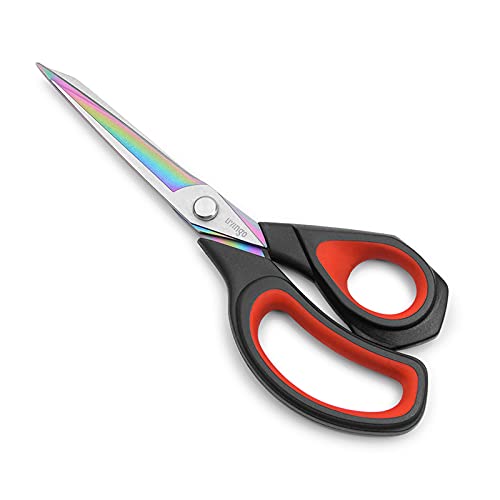
LDH Scissors have become a favorite in the modern maker community for their striking black finish and exceptional balance. These are forged from high-quality steel that holds an edge through intensive use.
The Midnight Edition is specifically designed to be comfortable for long-term use, with a handle shape that distributes pressure evenly across the palm. If you are cutting yardage for multiple garments, you will appreciate how these minimize strain.
These shears are a bit of an investment, but they are designed to be sharpened and serviced for a lifetime. They represent the intersection of high-performance utility and modern design sensibilities.
Wescott Titanium Bonded Tailor Scissors

Titanium-bonded blades are significantly harder than standard stainless steel, which helps them resist the dulling that comes from frequent contact with synthetic fibers. If you find yourself cutting a lot of polyester blends or metallic threads, these are a reliable choice.
The Wescott tailor shears offer a generous handle size, which is a blessing for those who prefer to keep their fingers inside the loops for better leverage. The blades are thick and sturdy, providing a sense of security when tackling bulky seams.
Don’t let the "titanium" name fool you into thinking they are indestructible. They are excellent for everyday studio use, but they still require a dedicated place in your tool kit—away from your craft paper and cardboard.
Havel’s Sewing 8-Inch Comfort Grip Shears

Havel’s has built a reputation on ergonomics, and their 8-inch shears are perfect for makers who prioritize comfort above all else. The blades are remarkably sharp, and the handle is coated in a soft, non-slip material that feels secure even in a busy studio.
These are particularly useful if you are doing a lot of "fussy cutting" or trimming around intricate appliques. The blades are tapered to a fine point, allowing for surgical precision in tight spaces.
The comfort grip is a major benefit, but keep in mind that rubberized coatings can eventually degrade over many years of heavy use. Treat them well, and they will remain a reliable partner for your most detailed projects.
How to Choose the Right Blade for Your Fabric
The weight and texture of your fabric should dictate your blade choice. For delicate, lightweight fibers like silk or fine linen, you need a thinner, sharper blade that won’t "push" the fabric as it cuts.
Heavy-duty fabrics like denim or wool coating require a heavier blade with a more robust pivot point. If you use a lightweight shear on heavy fabric, you risk bending the blades, which will ruin the alignment and lead to jagged cuts.
Always match the length of the blade to the length of your cut. A 9-inch shear is excellent for long, straight seams, but a smaller 5-inch pair is far better for trimming around curves and corners.
Understanding Carbon Steel vs Stainless Steel
Carbon steel is the traditional choice for professional tailors because it can be sharpened to a finer, more aggressive edge. However, it is highly susceptible to rust and requires meticulous care, including regular oiling and moisture-free storage.
Stainless steel is the more practical choice for most home knitters and sewers. It resists corrosion and is much easier to maintain, making it ideal if your workspace is prone to humidity or if you simply don’t want to worry about maintenance.
The trade-off is that stainless steel generally doesn’t hold an edge quite as long as high-quality carbon steel. If you are a high-volume maker, you may find yourself needing to have your stainless shears sharpened professionally once a year.
Essential Tips for Maintaining Sharp Blades
The golden rule of fabric shears is simple: never, ever cut paper with them. Paper contains clay and fillers that act like sandpaper on your blades, dulling them almost instantly.
Store your shears in a sheath or a dedicated drawer to prevent the tips from banging against other tools. If you drop your shears, check the alignment immediately; even a tiny misalignment can cause the blades to "chew" the fabric instead of slicing it.
Wipe your blades down with a soft, dry cloth after every use to remove lint and debris. If you notice your shears are starting to "fold" the fabric at the tip, it’s time to have them professionally sharpened by someone who specializes in cutlery.
How to Properly Test Your Shears for Accuracy
To test your shears, take a single layer of thin, lightweight fabric and hold it taut in the air. Start the cut at the base of the blades near the pivot and let the shears glide through the fabric without closing them completely.
If the shears pull or tear the fabric instead of slicing cleanly, the tension is too loose or the blades are dull. A perfect pair of shears should be able to cut through a single layer of fine silk without you needing to exert any extra pressure.
Repeat this test at the very tip of the blades. If they fail to cut at the tip, they are likely misaligned or the screw needs tightening. This simple test will tell you exactly when it’s time to send your tools out for a tune-up.
Choosing the right shears is a deeply personal decision that should reflect the type of work you do most often. Whether you prefer the weight of traditional carbon steel or the ergonomic ease of modern polymers, the goal is always a tool that disappears into your hand. Treat your shears as an extension of your own creativity, and they will ensure your finished projects look as professional as you intend. Happy making, and may all your cuts be clean and effortless.