6 Best Wooden Handles For Ergonomic Grip To Try
Discover the top six wooden handles designed for superior ergonomic comfort. This guide explores the best materials to enhance your grip and reduce fatigue.
Finding the right knitting needle is a deeply personal journey that balances tactile preference with physical comfort. While metal needles offer speed, wooden options provide a unique warmth and grip that can significantly reduce hand fatigue during long sessions. This guide explores the best wooden needle options designed to keep your hands comfortable and your stitches consistent. Whether you are a beginner or a seasoned pro, choosing the right material can transform your knitting experience.
Lykke Driftwood Interchangeable Set: Best Overall
The Lykke Driftwood set stands out because it strikes the perfect balance between a polished finish and a subtle, natural texture. These needles are crafted from strong birch wood, which resists warping even after years of heavy use.
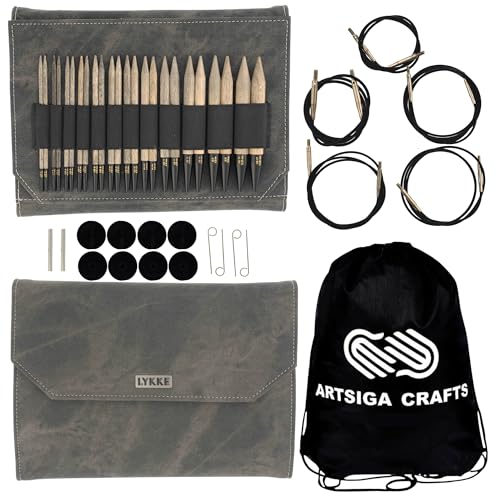

For knitters who struggle with yarn sliding off their needles too quickly, this set offers the ideal amount of "grab." They are particularly effective when working with slippery fibers like silk or bamboo blends, where control is paramount.
The join between the needle and the cable is exceptionally smooth, ensuring your stitches transition without snagging. If you are looking for a reliable, all-around workhorse set that feels great in the hands, this is the gold standard.
KnitPro Symfonie Wood Needles: Smooth Precision

KnitPro Symfonie needles are famous for their vibrant, multicolored appearance, but their true value lies in their structural integrity. They are exceptionally dense, allowing for a sharper tip that doesn’t feel fragile or prone to snapping.
If you enjoy working on intricate lace patterns or complex cable work, these needles provide the precision you need. The polished surface is slightly slicker than standard wood, offering a middle ground between bamboo and metal.
Because they are so smooth, they are excellent for knitters who tend to be "fast" with their hands but still want the warmth of wood. They bridge the gap between ergonomic comfort and high-speed efficiency.
Knitter’s Pride Ginger Interchangeable Needles

The Ginger line is designed specifically with ergonomics in mind, featuring a smooth, tapered shape that fits naturally in the palm. These needles are warm to the touch, which helps prevent the cramping often associated with cold metal needles.
The deep brown, polished finish is not just for aesthetics; it provides a consistent surface that works well with almost any yarn weight. Whether you are using rustic wool or a soft alpaca, the needles maintain a reliable, tactile feedback.
They are an excellent choice for knitters who suffer from arthritis or general hand fatigue. The grip is secure enough to keep stitches in place, yet smooth enough to allow for a rhythmic, flowing knitting motion.
Lantern Moon Ebony Needles: Luxury Ergonomics

Ebony is a naturally dense, oily wood, which gives these needles a silky, almost glass-like finish. They feel incredibly luxurious in the hand and are perhaps the most ergonomic option for those who appreciate a premium tool.
Because of the natural properties of the wood, these needles require less surface treatment to remain smooth. This means they are less likely to lose their finish over time compared to dyed or coated birch needles.
They are perfect for delicate projects where you want to minimize friction without losing the grip of wood. While they represent a higher investment, the longevity and comfort they provide are unmatched for dedicated makers.
Clover Takumi Bamboo Needles: Lightweight Choice

Clover Takumi needles are the quintessential bamboo option, known for being incredibly lightweight and flexible. If you are prone to wrist strain, the sheer lack of weight in these needles can make a noticeable difference in your comfort level.
Bamboo is naturally porous, which means it offers more "grip" than polished birch or ebony. This is a massive advantage for beginners who are still learning to manage their tension and want to prevent dropped stitches.
While they are not as rigid as birch, they are exceptionally durable for their weight. They are the best choice for long, repetitive projects like scarves or blankets where you want to keep the load on your wrists to a minimum.
Addi Olive Wood Needles: Sustainable Comfort

Addi’s Olive Wood needles are crafted from salvaged wood, making them a fantastic choice for the environmentally conscious knitter. The wood is naturally hard and has a beautiful, unique grain that feels smooth and organic in the palm.
These needles are finished with a natural plant-based oil, which gives them a distinct, earthy feel. They provide a moderate amount of grip, making them versatile enough for both beginner projects and advanced colorwork.
The tips are tapered just enough to pick up stitches easily without being overly sharp. If you find that synthetic finishes irritate your skin, the natural oils in these needles provide a soothing, comfortable alternative.
Why Wooden Needles Improve Your Knitting Ergonomics
Knitting is a repetitive motion that can put significant stress on the small joints in your hands and wrists. Metal needles are often cold and slippery, which can cause you to grip them tighter than necessary, leading to tension-related pain.
Wooden needles are naturally warm, which helps improve blood flow and keeps your hands relaxed. The slight texture of the wood also means you don’t have to "fight" the yarn to keep it from sliding off, allowing for a lighter, more relaxed grip.
By reducing the physical effort required to control the yarn, you can knit for longer periods without discomfort. This change in grip pressure is often the key to preventing long-term strain and injury.
Evaluating Taper and Tip Shape for Hand Comfort
The taper of a needle—the distance from the tip to the full-width shaft—dictates how easily you can insert the needle into a stitch. A long, gradual taper is generally more ergonomic, as it reduces the amount of force needed to open the stitch.
If you are a tight knitter, look for a needle with a slightly sharper, longer taper to help you enter the stitches effortlessly. If your stitches are naturally loose, a blunter tip can help you avoid splitting the yarn.
Don’t ignore the shape of the tip itself. A rounded, "soft" point is more comfortable for long sessions, while a sharper point is necessary for complex lace. Match the tip to your project’s specific demands to maximize your comfort.
Maintaining Your Wooden Needles for Longevity
Wooden needles are natural, organic tools that benefit from a little bit of care to maintain their smooth finish. Over time, the oils from your hands and the friction of the yarn can cause the wood to feel slightly dry or "grabby."
To keep them in top condition, you can occasionally rub them with a small amount of high-quality wood wax or mineral oil. This restores the surface and ensures the yarn continues to glide smoothly across the needle.
Avoid leaving wooden needles in extreme heat or humidity, as this can cause them to warp or crack. Storing them in a dedicated case will keep them straight and protected, ensuring they remain a reliable part of your toolkit for years.
Comparing Wood Versus Metal for Joint Relief
The choice between wood and metal often comes down to your personal tension and the type of yarn you are using. Metal needles are excellent for speed and for working with sticky fibers like wool that has a lot of "halo."
However, if you suffer from joint pain, the rigidity and coldness of metal can exacerbate the issue. Wood provides a "give" that acts as a natural shock absorber, cushioning the impact of your knitting motion.
Ultimately, if your hands tire quickly, switching to a wood or bamboo needle is one of the most effective ergonomic adjustments you can make. Test both materials to see which provides the best balance of speed and comfort for your specific knitting style.
Investing in high-quality wooden needles is an investment in your long-term comfort as a maker. By choosing the right material, taper, and texture for your specific needs, you can knit with more ease and enjoyment. Remember that your favorite needle may change depending on the project, so keep an open mind and experiment with different types. Happy knitting, and may your hands always stay comfortable while you create.