6 Best Protective Gloves For Hand Dyeing Yarn
Protect your hands while dyeing yarn. We review the 6 best protective gloves, focusing on durability, chemical resistance, and comfort for every crafter.
Hand dyeing your own yarn is a transformative process that turns a blank canvas of wool or alpaca into a bespoke masterpiece. However, the acids and pigments used in the dye bath can be harsh on your skin, often leaving stubborn stains or causing irritation. Protecting your hands isn’t just about cleanliness; it’s about ensuring your skin stays healthy for the hours of knitting that follow. Here are the best protective gloves to keep your hands safe while you color your favorite fibers.
Ansell Sol-Vex Nitrile: Best Overall Protection


When you are working with large dye pots and concentrated acid dyes, you need a glove that won’t give up halfway through the process. The Ansell Sol-Vex Nitrile is the gold standard for heavy-duty protection in the fiber arts studio. Its thick nitrile construction provides a robust barrier against even the most potent mordants.
Because these gloves are longer than standard household options, they offer excellent coverage for your forearms. This is crucial when you are submerged in deep dye baths or lifting heavy hanks of wet, saturated yarn. You won’t have to worry about dye splashing over the cuff and onto your skin.
The trade-off here is dexterity; they are thicker than a surgical glove, which can make fine-tuning your dye placement slightly clunky. However, for the majority of dyeing tasks, the peace of mind is well worth the minor loss of tactile sensitivity. If you prioritize safety over delicate hand movements, these are your go-to.
Showa Atlas 370: Best Grip for Yarn Handling

Slippery, wet wool can be a nightmare to manage when you are trying to achieve an even distribution of color. The Showa Atlas 370 features a unique textured coating that provides incredible grip, even when your hands are slick with dye. This makes it much easier to manipulate hanks without dropping them into the wrong color vat.
The knit liner inside these gloves is a game-changer for comfort during long dyeing sessions. Unlike bare-rubber gloves that can get clammy and uncomfortable, the Atlas 370 stays breathable. This prevents that "pruney" feeling you get after an hour of working with wet fiber.
Keep in mind that while the grip is superior, the back of the glove is not liquid-proof. These are best used for handling yarn that has already been squeezed out or for dry-handling during the setup phase. They are the perfect choice for the knitter who values control and precision over total submersion.
Kimberly-Clark Sterling: Best Disposable Option
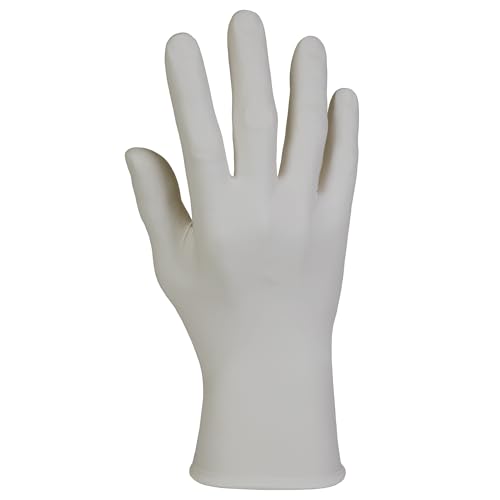
Sometimes you only need to dip a few mini-skeins for a sock project and don’t want to deal with cleaning heavy-duty gear. The Kimberly-Clark Sterling nitrile gloves are the industry favorite for a reason. They offer a "second skin" feel that allows you to handle delicate lace-weight yarns without losing your tactile edge.

Because they are thin, you can feel the temperature of your dye bath and the texture of the fiber clearly. This is essential if you are working with luxury fibers like silk or mohair, where you need to be gentle to prevent felting. They are also incredibly affordable, making it easy to swap them out between colors to avoid cross-contamination.
The downside is their lack of puncture resistance; one snag on a sharp needle or a rough dye pot edge will tear them. Keep a box handy for quick tasks, but don’t rely on them for heavy-duty scrubbing or long-term immersion. They are the ultimate convenience tool for the spontaneous dyer.
Memphis Multi-Tasker: Best for Frequent Dyeing
If you are dyeing yarn every weekend to stock your online shop, you need a glove that balances durability with a reasonable price point. The Memphis Multi-Tasker is built to withstand the repetitive wear and tear of a busy studio. They hold up surprisingly well against the corrosive nature of vinegar and citric acid.
These gloves strike a nice middle ground in thickness, offering more protection than a disposable glove while remaining more flexible than a heavy-duty industrial mitt. You can easily transition from stirring a large vat to carefully layering dye on a single skein. They are a reliable workhorse for those who dye in high volume.
The key to their longevity is proper drying between uses. Because they are designed for frequent use, they can harbor moisture inside if not cared for correctly. Hang them by the fingertips to ensure they are bone-dry before your next session to keep them smelling fresh.
Honeywell North Butyl: Best Chemical Resistance

For the dyer who works with specialized, high-intensity pigments or complex chemical mordants, the Honeywell North Butyl is the superior choice. Butyl rubber is chemically superior to nitrile when it comes to resisting a wider range of harsh substances. If your dyeing process involves aggressive chemicals, this is the safest material you can choose.
These gloves are significantly more expensive and bulkier than standard options, which is a consideration for the casual hobbyist. They are not designed for delicate color-painting, but rather for the heavy-lifting of large-scale dyeing. They provide a level of protection that is unmatched by standard synthetic rubbers.
Think of these as your "lab-grade" gear. Use them when you are mixing concentrated stock solutions or dealing with materials that require extra caution. For standard acid dyes and food-grade pigments, they might be overkill, but for safety-conscious fiber artists, they are a vital investment.
Mapa Professionnel Ultranitril: Best Durability
If you are tired of your gloves developing pinhole leaks after just a few uses, the Mapa Professionnel Ultranitril is the answer. These are engineered for high-stress environments and are remarkably resistant to abrasion. You can scrub your dye pots and handle rough-textured wool without worrying about the integrity of the material.
They feature an embossed pattern that helps with grip, though it is not as aggressive as the Showa Atlas. The longevity of these gloves means you will buy fewer pairs over the course of a year, which is a win for both your wallet and the environment. They are a solid, reliable choice for the serious dyer.
One thing to note is the fit; they tend to run slightly large compared to disposable brands. If you have smaller hands, check the sizing chart carefully to ensure you aren’t fighting with excess material. A proper fit is essential for maintaining control over your yarn.
How to Choose the Right Glove for Yarn Dyeing
Choosing the right glove comes down to identifying your specific dyeing habits and project volume. If you are a "paint-on-yarn" dyer, you need high dexterity and a thin glove like the Kimberly-Clark. If you are a "soak-and-simmer" dyer, you need the length and chemical resistance of the Ansell Sol-Vex.
- Consider the fiber: Delicate fibers like silk need thin gloves to prevent snagging.
- Consider the dye: Acid dyes require better chemical resistance than food-grade dyes.
- Consider the volume: If you dye for hours, comfort and breathability are non-negotiable.
Don’t fall for the trap of thinking "one glove fits all." Most professional dyers keep at least two types of gloves on hand: a thin disposable pair for detail work and a robust, reusable pair for the heavy-duty immersion process. Matching your gear to your process is the secret to a stress-free studio.
Nitrile vs. Latex: Which Material Suits You?
Nitrile is widely considered the superior choice for yarn dyeing because it is more resistant to the chemicals and acids commonly used in the process. It is also a safer bet for those with latex allergies, which can be surprisingly common among knitters. Nitrile is generally more puncture-resistant, which is helpful when working around metal dye pots.
Latex, while more elastic and sometimes cheaper, tends to degrade quickly when exposed to the acidic environments typical of vinegar-based dye baths. It can become sticky and prone to tearing when it comes into contact with certain dye additives. Unless you have a specific preference for the feel of latex, stick with nitrile for your dyeing projects.
Ultimately, nitrile offers the best balance of safety, durability, and cost. It provides a consistent barrier that won’t break down unexpectedly, keeping your hands clean and your yarn free from accidental contamination. Always verify that your chosen glove is powder-free to avoid any residue transferring to your fibers.
Essential Tips for Preventing Dye Skin Stains
Even with the best gloves, accidents happen, and dye will inevitably find its way onto your skin. The most effective way to prevent staining is to layer up; use a long-cuffed glove and tuck your sleeves into the cuffs. This creates a seal that prevents dye from running down your arm when you lift wet yarn.
If you do get dye on your skin, avoid using harsh abrasive scrubs that can damage your skin barrier. Instead, try a gentle oil-based cleanser or a simple paste of baking soda and water. These methods lift the pigment without stripping the natural oils from your hands, keeping them soft for your next knitting project.
Remember that pre-treating your hands with a heavy-duty hand cream before you put your gloves on can create an extra barrier. It also keeps your skin hydrated, which is vital during the winter months when your hands are already prone to drying out from knitting. A little preparation goes a long way in keeping your hands studio-ready.
Proper Glove Care to Extend Your Gear Lifespan
The life of your gloves depends almost entirely on how you store them after a dyeing session. Always rinse the exterior of your gloves thoroughly with clean water while they are still on your hands to remove any residual dye or acid. This simple step prevents the chemicals from slowly eating away at the material while they sit in your storage bin.
Never leave your gloves crumpled up or inside-out, as this traps moisture and creates a breeding ground for bacteria. Hang them in a well-ventilated area, preferably out of direct sunlight, which can cause certain rubbers to become brittle over time. A simple clothespin on a line works perfectly for this.
Finally, check your gloves for micro-tears before every use by filling them with a little air and squeezing. If you spot a leak, it is time to retire them to a secondary task, like gardening or cleaning, rather than risking a dye stain on your next batch of hand-dyed yarn. Taking care of your tools is a fundamental skill for any serious fiber artist.
Investing in the right protective gear allows you to focus entirely on the joy of color and creativity rather than worrying about stained skin or damaged tools. By balancing the need for dexterity with the necessity of chemical resistance, you can create a safe and efficient dyeing environment. Whether you are a casual hobbyist or a professional dyer, these gloves will help you protect your hands and keep your focus on the stitches to come. Happy dyeing, and may your colors always be as vibrant as your imagination.