
7 Best Yarn Drying Clips For Hanging Skeins To Try
Discover the 7 best yarn drying clips for safely hanging skeins. Learn how these tools prevent stretching and speed up drying for your favorite fiber projects.
After spending hours dyeing the perfect custom colorway or carefully washing a delicate heirloom sweater, the last thing you want is to ruin your hard work during the drying process. Many knitters overlook the importance of how a skein is suspended, often leading to uneven tension or fiber distortion. Choosing the right drying clip is a simple yet transformative step in your fiber care routine. Here are the best tools to ensure your yarn maintains its structural integrity and beauty from wash to project.
Eucalan Stainless Steel Drying Clips: Best Overall
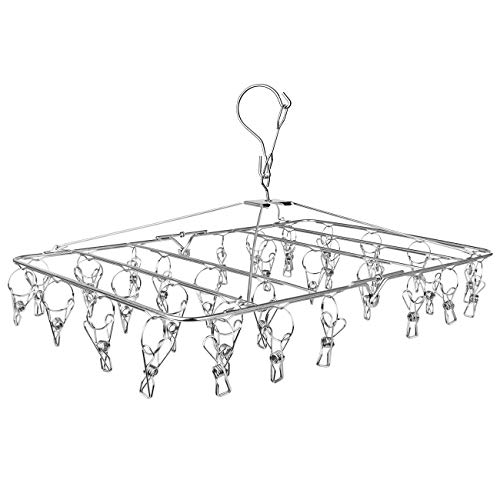

Stainless steel is the gold standard for wet-processing yarn because it won’t rust or stain your precious fibers. These clips offer a firm, reliable grip that holds the weight of a wet skein without slipping, which is vital for heavier wools that retain significant moisture.
The design is remarkably simple, lacking the springs or plastic components that tend to break over time. Because they are non-reactive, you never have to worry about metallic residue transferring to light-colored yarns or delicate silk blends.
They are an investment, but they are built to last a lifetime. If you frequently wash and re-skein your stash, these are the most dependable choice in the studio.
Clover Wonder Clips: Best for Delicate Hand-Dyed
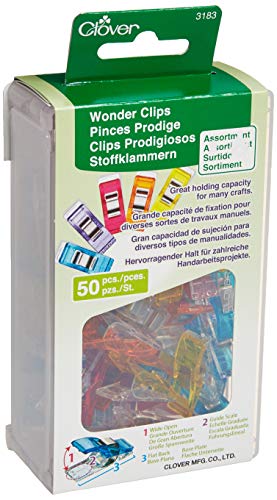
While originally designed for quilting, these clips have become a secret weapon for knitters handling fragile, hand-dyed yarns. They feature a flat base and a gentle but secure spring-loaded grip that distributes pressure evenly across the yarn strand.
The primary advantage here is the smooth, rounded edge of the plastic, which prevents the "crimping" effect that metal clips can sometimes leave behind. When you are working with soft, high-twist merino or cashmere, avoiding sharp impressions is key to maintaining the yarn’s loft.
Keep in mind that they are best suited for lighter weights, such as lace or fingering yarn. For heavy, water-logged worsted skeins, you might find the grip isn’t quite strong enough to prevent sliding.
Knitter’s Pride Yarn Drying Pins: Best Versatile

These pins are specifically engineered for the knitting community, bridging the gap between heavy-duty utility and fiber safety. They are shaped to slide easily through the loop of a skein while providing a wide surface area for the yarn to rest on.
Their versatility shines when you are dealing with different skein sizes or twist densities. Whether you have a standard 100-gram hank or a bulky 200-gram cake, these pins accommodate the volume without forcing the fiber into a tight, restrictive bundle.
They are an excellent middle-ground option for the knitter who keeps a variety of yarn weights in their stash. You won’t need to switch tools as you rotate between different project types.
Susan Bates Yarn Hanging Clips: Best for Budget

If you are looking for a functional solution that doesn’t break the bank, these classic clips remain a staple in many knitting kits. They provide a straightforward, no-nonsense way to suspend yarn using a simple tension-based mechanism.
They are lightweight and compact, making them easy to store in a notions bag or a small project tin. While they lack the premium feel of stainless steel, they perform the job of keeping your yarn off the floor perfectly well.
The trade-off is the plastic construction, which can become brittle after years of exposure to water and sunlight. However, at their price point, they are easily replaceable and highly effective for casual use.
Boye Heavy-Duty Drying Clamps: Best for Bulkier

When you are drying heavy, rustic wools or large-gauge cottons, those yarns can become incredibly dense when wet. These heavy-duty clamps are designed to handle the extra weight without losing their tension.
The clamping force is significant, ensuring that even thick, heavy skeins remain stationary while they drip-dry. This is essential for preventing the yarn from slipping off the hanger and pooling at the bottom, which can cause uneven drying and potential mildew.
Use these specifically for your winter weight yarns or large-scale projects. They are likely overkill for delicate lace, but for a heavy Aran-weight wool, they are indispensable.
Addi Steel Tension Clips: Best for Fine Yarns
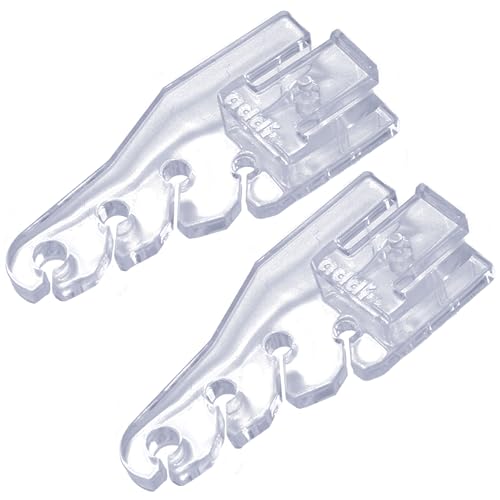
Fine yarns, particularly those with high silk or alpaca content, require a delicate touch during the drying process. Addi’s steel clips are precision-engineered to be slim and smooth, ensuring they don’t snag or pull at individual fibers.
Because they are so thin, they allow for excellent airflow around the contact point. This helps prevent the "damp spot" that can sometimes occur where the clip meets the yarn, which is a common culprit for uneven drying in fine fibers.
If you are a lace knitter who works primarily with cobweb or lace-weight yarns, these are the gold standard. They treat your fiber with the respect it deserves, ensuring a perfectly dry, tangle-free skein.
Lantern Moon Bamboo Clips: Best Eco-Friendly
For the knitter who prefers natural materials, these bamboo clips offer a beautiful and functional alternative to plastic or metal. Bamboo is naturally moisture-resistant and provides a gentle, non-slip texture that holds yarn securely.
These clips feel warm in the hand and have a lovely aesthetic that fits right into a natural-fiber-focused studio. They are also incredibly lightweight, meaning they won’t add unnecessary stress to your hanging rack or drying rod.
Be aware that bamboo requires a bit more care; ensure they are wiped dry after use to prevent any potential for mold. If you value sustainability in your knitting tools, these are a wonderful addition to your collection.
Why Proper Drying Prevents Yarn Fiber Damage
Many knitters assume that as long as the yarn isn’t sitting in a puddle, it’s safe. However, improper drying can lead to "felting in the skein," where fibers tangle and lock together due to gravity and moisture retention.
When a skein is hung incorrectly, the weight of the water pulls on the fibers, which can permanently alter the twist of the yarn. This is especially true for superwash wools, which are prone to stretching when saturated.
By using proper clips to distribute the weight, you ensure the yarn retains its original "bounce" and elasticity. This makes your actual knitting process much smoother, as you won’t be fighting against distorted or tangled strands.
How to Hang Skeins Without Stretching the Fiber
The secret to hanging yarn is to avoid creating a single, concentrated point of pressure. Instead of clipping the yarn at one narrow spot, try to loop the clip through the skein so that the weight is distributed across a wider surface area.
Always ensure the yarn is gently squeezed—not wrung—to remove excess water before hanging. Wringing twists the fibers in a way that can permanently weaken them, regardless of how well you hang them afterward.
If you are drying a very long or heavy skein, consider using two clips spaced a few inches apart. This creates a "saddle" for the yarn to rest on, effectively halving the tension on any single section of the fiber.
Essential Tips for Air-Drying Hand-Dyed Wool
- Avoid Direct Sunlight: UV rays can fade delicate hand-dyed colors over time, leading to uneven shading in your finished garment.
- Ensure Airflow: Place your drying rack in a well-ventilated area, but avoid high-heat sources like radiators, which can make wool brittle.
- Check for Color Bleed: If you are drying a high-contrast skein, keep an eye on the drip points to ensure no dye migration is occurring.
- Consistency is Key: Aim for a drying environment that is consistent in temperature and humidity to prevent the yarn from drying at uneven rates.
Investing in quality drying clips is a small step that pays off in the long-term health of your yarn stash. By choosing a tool that respects the weight and texture of your specific fibers, you eliminate the risk of stretching and distortion before you even cast on. Take your time with the drying process, and your finished projects will reflect the care you put into every stage of the journey. Happy knitting, and may your skeins always dry perfectly.

