6 Best Waxed Dental Flosses for Threading Beads onto Yarn
Discover the 6 best waxed dental flosses for threading beads onto yarn. Learn which durable, thin options ensure smooth, efficient crafting for your projects.
Adding beads to a knitted project transforms a simple accessory into a shimmering heirloom, but the threading process can quickly become a knitter’s worst nightmare. Using a standard sewing needle is often impossible, as the eye is too thick to pass through the bead while holding the yarn. Waxed dental floss acts as a perfect, flexible needle that collapses to fit through even the smallest bead holes. This guide breaks down the best floss options to ensure your next beaded project is a joy, not a chore.
Oral-B Glide Pro-Health: The Best Overall Choice


This floss is a staple in many knitting bags because of its unique, ribbon-like structure. Unlike traditional twisted nylon, it is flat and slides through bead holes with almost zero resistance.
Because it is coated in a light, non-sticky wax, it doesn’t leave a residue on your luxury fibers. It is sturdy enough to pull through hundreds of beads without fraying, which is a lifesaver when you are working on a long lace shawl.
If you are working with delicate silk or fine merino, this is your safest bet. It won’t snag the yarn fibers as you loop the floss through the stitch.
Reach Waxed Dental Floss: Best for Fine Beads

When you are working with size 11/0 or 15/0 seed beads, the margin for error is razor-thin. Reach’s classic waxed construction provides a slightly stiffer profile that makes it easier to "fish" through tiny apertures.
The wax coating is substantial, which helps keep the two ends of the floss loop held together tightly. This is critical when you are trying to thread a bead that barely accommodates two strands of yarn.
While some find it slightly thicker, that extra body prevents the floss from twisting into a knot. It is the reliable workhorse for precision beadwork where you cannot afford a broken thread.
Colgate Total Waxed Floss: Best for Durability
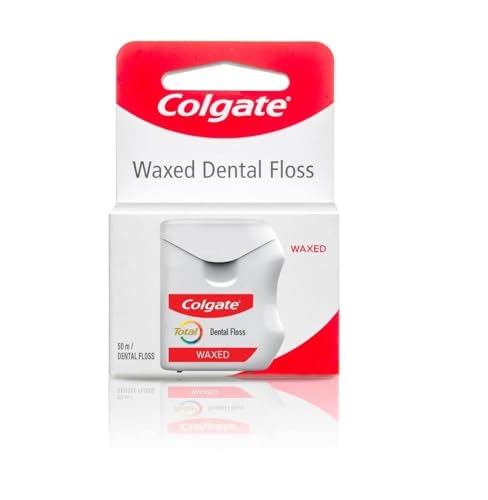
Knitting with beads can be abrasive, especially if you are using glass or metal beads with sharp edges. Colgate Total is designed to resist shredding, which is exactly the quality you need when your floss is doing the heavy lifting.
I often recommend this for projects involving heavy-duty beads, like those used in weighted cowls or decorative home goods. It maintains its integrity even after being pulled through dozens of beads.
You won’t have to worry about the floss snapping mid-project, which saves you from the frustration of re-threading your stitch. It is a robust option for the knitter who values endurance over finesse.
GUM Eez-Thru Floss: Best for Delicate Yarns

GUM Eez-Thru is exceptionally smooth, making it ideal for high-twist yarns that tend to snag on everything. If you are using a single-ply yarn or a delicate mohair-silk blend, this floss is your best friend.
The wax is applied evenly, ensuring that the floss slides through the bead without catching. It creates a seamless transition from the floss loop to your yarn, minimizing the risk of "splitting" your yarn ply.
If you find that other flosses are catching on the halo of your mohair, switch to this. It provides a frictionless experience that protects your yarn’s integrity.
CVS Health Waxed Floss: Best Budget-Friendly Pick

You don’t need to spend a fortune to find a tool that works for your knitting. This store-brand option performs just as well as the name brands when it comes to the simple task of bead threading.
It is sufficiently waxed and holds a loop well, which is all you really need for a successful bead-knitting session. It is an excellent choice if you are a beginner and want to experiment with beading without investing in expensive specialized tools.
Keep a spool in your project bag for those moments when you lose your primary needle. It is reliable, inexpensive, and gets the job done every single time.
Listerine Cool Mint Floss: Best for Easy Grip

The texture of this floss is slightly more "tacky" than the others, which sounds counterintuitive but is actually quite helpful. That slight grip allows you to hold the loop securely between your fingers without it slipping away.
If you have trouble with your fingers cramping during long beading sessions, the added grip can make a significant difference. It’s easier to maintain tension on the floss while you maneuver the bead onto the yarn.
Just be aware that the mint scent is quite strong. If you are sensitive to smells, keep this in mind before adding it to your permanent knitting kit.
Why Waxed Floss Is Essential for Bead Knitting
Waxed floss is essentially a collapsible, flexible needle that can compress to fit through the tightest bead holes. A standard steel needle has a fixed diameter, but a floss loop can flatten out, making it far more versatile.
Many knitters try to use a thin wire or a specialized beading needle, but these often lack the flexibility needed to navigate the yarn. Floss allows you to pick up a stitch, slide the bead over the loop, and pull the yarn through in one fluid motion.
It also eliminates the need for expensive tools. You likely already have floss in your bathroom cabinet, making it the most accessible tool for a knitter at any level.
How to Create a DIY Floss Needle for Beading
To create your tool, cut an 8-to-10-inch length of waxed floss and fold it in half. Thread the two loose ends through your knitting stitch, then thread your bead onto the folded end of the floss.
Once the bead is on the floss, simply pull it over the loop and onto your yarn. It is a simple, effective technique that works for almost any weight of yarn, from lace to worsted.
If you find the loop is too large, you can trim the ends slightly, but be careful not to make them too short to hold. A longer loop is generally easier to handle for beginners.
Tips for Selecting Beads That Fit Your Yarn
Always check the "hole size" of your beads before starting a project. A bead that is too small for your yarn will create a bulky, distorted stitch that ruins the drape of your fabric.
As a rule of thumb, your yarn should pass through the bead with a tiny bit of room to spare. If you have to force the bead, it will likely cause the yarn to fray or snap during the knitting process.
Test your beads with a scrap piece of your project yarn before you commit to the whole project. It is better to find out a bead is too small on a swatch than on the final row of a shawl.
Troubleshooting Common Bead Threading Problems
If your floss keeps snapping, you are likely pulling too hard or using a bead with a sharp, unfinished hole. Try switching to a more durable floss like Colgate Total or check the beads for burrs.
If the floss won’t go through the bead, the hole is simply too small for the yarn-and-floss combination. In this case, you may need to use a thinner yarn or a larger bead size.
Don’t be afraid to experiment with different floss brands if one isn’t working for you. Every knitter has a personal preference for how much "drag" they like when threading beads.
Bead knitting is a rewarding technique that adds a touch of elegance to any project, and having the right floss makes all the difference. By choosing a waxed floss that suits your yarn and bead size, you can turn a tedious task into a rhythmic, enjoyable part of your knitting flow. Start with these recommendations, keep your loops consistent, and watch your work sparkle. Happy knitting!