6 Best Leather Craft Kits For Knit Bag Upgrades
Elevate your handmade bags with these six leather craft kits. Discover high-quality straps, bases, and hardware to give your knit projects a professional finish.
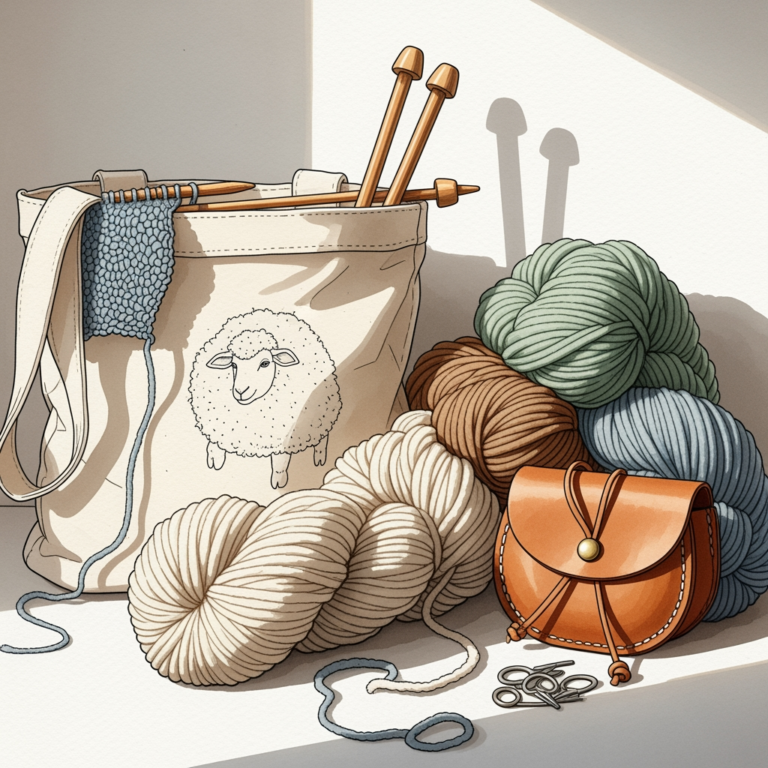
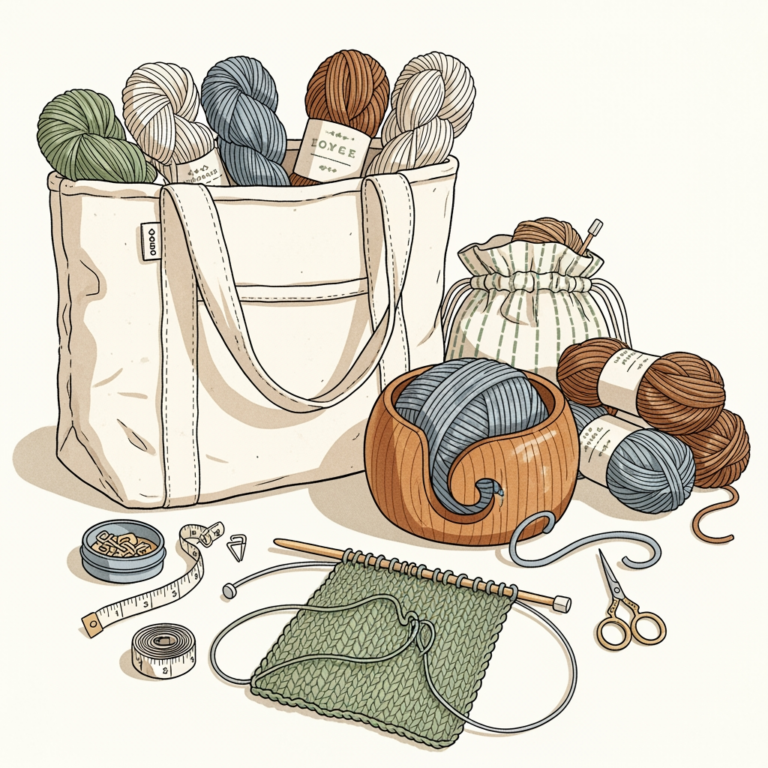
Your knitting bag is more than just a storage vessel; it is the constant companion to your most cherished fiber projects. Over two decades of knitting everything from delicate lace shawls to heavy wool sweaters, I have learned that the right hardware can prevent snagging and protect your hard work. Adding leather components to a handmade knit bag provides structural integrity that fabric alone simply cannot offer. These six kits offer the perfect bridge between your knitting skills and the timeless durability of leathercraft.
Buckle Guy DIY Leather Tote Kit: Best Overall


When you spend weeks on a complex colorwork yoke, you need a bag that won’t compromise the tension or integrity of your yarn. The Buckle Guy kit stands out because the hardware is exceptionally smooth, which is the most critical feature for any knitter. Rough edges on buckles or rivets are the silent enemies of fine merino and delicate mohair blends.
This kit is ideal for the maker who wants a professional-grade finish without sourcing individual components from five different suppliers. The leather quality is consistently high, meaning it will age beautifully alongside your favorite hand-knits. It provides a sturdy, structured base that keeps your project from collapsing into a tangled mess when you set it down mid-row.
The primary tradeoff here is the assembly time; this isn’t a "ten-minute fix" project. You will need to invest time in precise measuring to ensure your straps are balanced. However, the result is a custom-fitted bag that respects the weight of your yarn stash.
Tandy Leather Craft Beginner Bag Kit

If you are new to leatherwork and just want to add a sturdy strap to your latest knitted tote, this is the most approachable starting point. Tandy offers a modular approach that allows you to swap out components as your knitting needs evolve. It’s perfect for those who want to upgrade a simple canvas bag into a dedicated project carrier.
The leather provided in these kits is generally more supple, which makes it easier to work with if you haven’t handled a hole punch or rivet setter before. It won’t have the rigid, heirloom feel of premium vegetable-tanned leather, but it is plenty durable for carrying a few skeins of worsted weight yarn. You don’t need a massive workshop to get these pieces attached to your knitting.

Be mindful that these kits are often designed for general utility rather than the specific weight-bearing needs of a heavy sweater project. If you are hauling a massive wool blanket in progress, you might find the leather stretches more than you’d like. Always reinforce your attachment points with extra stitching if you plan to carry heavy loads.
Leatherology Custom DIY Knit Bag Set

Leatherology offers a level of customization that appeals to the knitter who treats their project bag as a fashion accessory. Their DIY sets allow you to choose leather finishes that complement the color palette of your current WIP (Work In Progress). It is a fantastic way to coordinate your gear so your bag feels like an extension of your knitting style.
The hardware in these sets is elegant and low-profile, which is a major win for those who hate having bulky metal bits catching on their yarn. If you’ve ever had a loose strand of yarn snag on a sharp bag closure, you know exactly why this matters. These pieces are designed to be sleek and snag-free, ensuring your delicate fibers remain pristine.
The tradeoff is that you are paying for the aesthetic and the brand reputation rather than heavy-duty utility. These are best suited for smaller projects like socks, hats, or delicate lace shawls. If you are working on a heavy-gauge project, consider adding a secondary support layer of fabric to the inside of the bag.
Weaver Leather Supply Satchel Kit

When you are working on a large-scale project, such as a cabled throw or a heavy wool coat, you need a bag that can handle the sheer volume of yarn. The Weaver Leather Supply kits are built for longevity and heavy-duty use. They provide the kind of structural support that keeps your knitting from getting crushed under its own weight.
These kits often feature thicker, vegetable-tanned leather that provides a rigid frame. This is a game-changer for knitters who suffer from hand fatigue; a structured bag keeps your yarn at the right height, reducing the need to hunch over your work. You are building a piece of equipment that will last for decades, much like a well-maintained set of wooden needles.
Be prepared for a steeper learning curve with these kits. The leather is thicker and requires more force to punch and set, so you will need a solid mallet and a quality hole punch. It is an investment in your craft that pays off in the form of a reliable, long-lasting project companion.
Hide & Drink Handmade Leather Tote Kit
Hide & Drink focuses on the rustic, tactile appeal of full-grain leather, which pairs beautifully with natural fibers like wool and alpaca. These kits are perfect for the knitter who values the "slow fashion" movement and wants their bag to have as much character as their hand-knit sweaters. The leather develops a unique patina over time, recording the history of every project you’ve carried.
The leather is robust and holds its shape well, which is helpful when you are working with multiple balls of yarn and need to keep them organized. It doesn’t have the slick, synthetic feel of cheaper alternatives, so it won’t slide off your shoulder while you are carrying your supplies to a knit night. It feels substantial and grounding.
One thing to note is that natural leather can sometimes have subtle color variations or markings. If you are a perfectionist who wants a uniform look, this might be a point of friction. However, for those of us who appreciate the organic beauty of natural materials, these quirks are simply part of the charm.
Springfield Leather Company Bag Kit

Springfield Leather Company is a go-to for makers who want to mix and match components to build a truly custom bag. Their kits are essentially a curated collection of high-quality parts, giving you the freedom to decide how your project bag should function. This is perfect for the knitter who has a specific vision for their bag’s layout.
This kit is ideal if you have already knitted a bag body and just need the leather components to finish it off. You can select the exact strap length and buckle style that fits your ergonomic needs. It’s the ultimate choice for the knitter who knows exactly how they want their bag to sit against their body while they work.
The downside is that you have to be comfortable with the assembly process, as these kits provide the components rather than a pre-made structure. You will need to be confident in your ability to measure and align the pieces correctly. Take your time, measure twice, and don’t rush the process—your knitting deserves a well-aligned home.
Essential Leather Tools for Knitting Bags
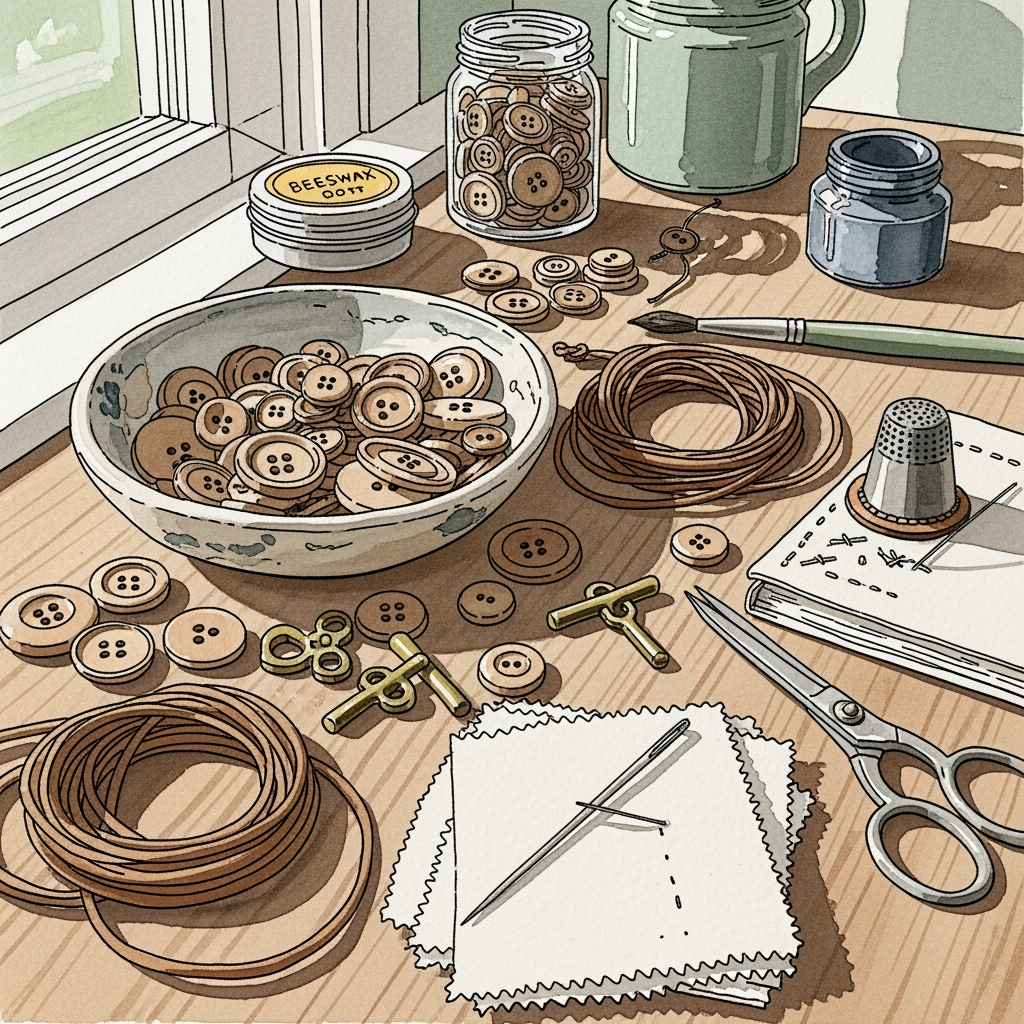
To successfully upgrade your knitting bags, you need a basic toolset that doesn’t break the bank but gets the job done. Focus on quality over quantity, as these tools will last a lifetime if cared for properly.
- Rotary Punch: Essential for creating clean holes for rivets or stitching.
- Mallet: A poly or rawhide mallet is necessary for setting rivets without marring the leather.
- Stitching Chisels: If you plan on sewing your leather, these make perfect, evenly spaced holes.
- Burnishing Tool: A simple wood slicker helps smooth the raw edges of your leather for a professional finish.
Avoid the temptation to use household scissors or hammer heads; they will ruin the leather and frustrate your process. Invest in a dedicated leather-working kit that includes these four items to ensure your project bag looks intentional, not improvised.
How to Choose Quality Leather for Knitting
When selecting leather for a knitting bag, the most important factor is the finish. You want a leather that is "finished" or "sealed" so that no loose oils or dyes can transfer onto your light-colored yarns. Always run a clean, damp white cloth over the leather; if any color rubs off, do not use it for your project bag.
Think about the weight of your projects when choosing the thickness of the hide. For a small sock project, a 3-4 oz leather is plenty; for a full-sized sweater or blanket, look for 5-6 oz leather. The thicker the leather, the more structure it will provide, which helps keep your yarn from getting tangled in the bag’s folds.
Finally, consider the texture. While suede is beautiful, it can be a magnet for lint and loose fibers from your yarn. Vegetable-tanned, smooth-grain leather is the gold standard for knitting bags because it is durable, easy to wipe clean, and won’t trap stray bits of wool.
Caring for Your Leather Knitting Project Bag
Leather, much like wool, is a natural material that requires occasional maintenance to stay in top condition. If your bag gets dry or stiff, a high-quality leather conditioner will restore its suppleness. However, be very careful to let the conditioner fully absorb before putting any yarn back inside.
Keep your leather bag away from direct heat sources, such as radiators or sunny windows, as this can cause the leather to crack over time. If your bag gets wet—perhaps from a stray cup of tea at your knitting group—let it air dry slowly. Never use a hairdryer or direct heat, as this will ruin the leather’s natural oils.
If you notice the leather starting to "shed" or create dust, it’s a sign that the edges need to be burnished again. A quick pass with a wood burnishing tool and a bit of water or gum tragacanth will seal those fibers back down. A well-cared-for leather bag will last as long as your favorite hand-knitted heirloom.
Why Leather Upgrades Protect Your Projects
Knitting is a labor of love, and your bag should reflect the value of the time you’ve invested. Fabric bags can sag, tear, or allow sharp needles to poke through, potentially damaging your work or causing injury. Leather provides a protective barrier that is both puncture-resistant and structurally sound.
Beyond protection, leather upgrades offer a tactile experience that enhances your knitting practice. There is something deeply satisfying about reaching into a bag with a sturdy, smooth leather handle to pull out your current WIP. It elevates the act of knitting from a simple hobby to a curated, intentional ritual.
Ultimately, these upgrades are about longevity. By adding a leather base or strap, you are reinforcing the most vulnerable parts of your bag. This means you can focus entirely on your stitch count and tension, knowing that your project is safe and secure.
Investing in quality leather components is one of the most rewarding upgrades you can make for your knitting practice. By choosing the right materials and taking the time to install them correctly, you ensure that your project bags are as durable as the garments you create. Whether you are a beginner or a master, these kits offer a path to a more organized and protected knitting experience. May your stitches always be even and your yarn always stay tangle-free in its new, sturdy home.