6 Best Blocking Pins For Rust Resistance Worth Buying
Prevent rust on your projects with our top 6 blocking pin picks. Discover durable, corrosion-resistant options that ensure your knits stay pristine and safe.
Blocking is the final, transformative step that turns a slumped, uneven piece of knitting into a professional-looking garment. However, using the wrong pins can lead to devastating rust stains that ruin hours of hard work. Choosing high-quality, rust-resistant pins is not just a luxury; it is an essential insurance policy for your hand-knit treasures. Here are the best options to ensure your blocking process remains safe and effective.
Knitter’s Pride Stainless Steel T-Pins


These pins are a staple in many professional studios because they strike the perfect balance between rigidity and ease of use. The T-bar head provides a secure grip, making them easy to push into dense blocking mats without straining your fingers.
Because they are crafted from high-grade stainless steel, they resist oxidation even when exposed to the heavy moisture required for wet blocking. This is vital when you are pinning out a large lace shawl that might need to stay damp for twenty-four hours or more.
If you frequently work with light-colored wools, these are a reliable choice. The stainless steel construction ensures that no metallic residue transfers to the yarn, keeping your stitches pristine.
Clover Patchwork Pins: Rust-Resistant Choice

Clover is renowned for precision engineering, and their patchwork pins are no exception. While they lack the T-bar head, their ultra-fine shafts make them perfect for delicate blocking tasks where you want to avoid distorting your stitch pattern.
These pins are exceptionally smooth, allowing them to glide through fine-gauge lace or silk blends without snagging. They are particularly useful for pinning down intricate picot edges or complex cable motifs where larger pins might leave unwanted gaps.
Keep in mind that their thin nature means they can bend if you try to force them into a very dense foam mat. Use them for pinning into fabric-covered boards or softer blocking mats for the best results.
Dritz Extra Fine Glass Head Pins for Blocking

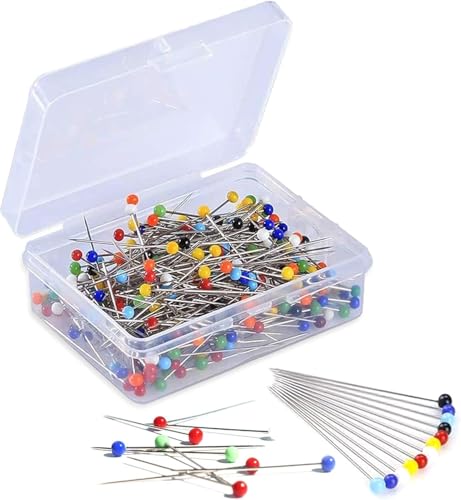
Glass heads are a major upgrade over plastic heads, especially if you use a steam iron during your blocking process. Plastic heads can melt under intense heat, but glass remains stable and safe.
The extra-fine shaft is a favorite for blocking fine-weight yarns like lace or fingering weight. Because the pins are so slender, they create minimal displacement in the fabric, ensuring your stitch tension remains uniform across the entire piece.
While they are highly resistant to rust, always ensure they are completely dry before storing them in your notions tin. A quick wipe with a microfiber cloth after a long blocking session is a simple habit that adds years to their lifespan.
Beadsmith Stainless Steel T-Pins for Knitting

Many knitters find the Beadsmith T-pins to be a more affordable, yet equally effective, alternative to specialty knitting brands. They offer the same robust stainless steel construction that is necessary to prevent staining on expensive fibers like cashmere or alpaca.
The T-shape is ergonomically superior when you are blocking large, heavy items like sweaters or blankets. You can apply significant tension to the fabric without the pin slipping through your fingers or pulling out of the mat.
If you are a prolific knitter who blocks multiple projects a month, buying these in bulk is a wise investment. They hold their shape well, meaning you won’t be constantly throwing away bent or rusted pins after a few uses.
Boye Rust-Resistant Blocking T-Pin Selection
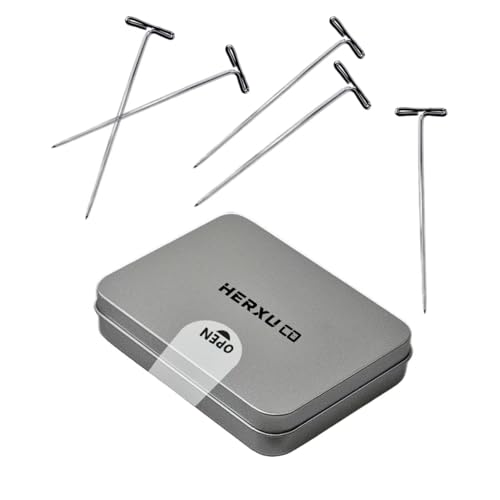
Boye has been a household name in the knitting world for decades, and their rust-resistant T-pins are a reliable, no-nonsense option. These pins are designed specifically for the rigors of blocking, featuring a slightly thicker gauge than standard sewing pins.
This extra thickness is a benefit when you are blocking heavy-weight wools or bulky sweaters that require a lot of force to stretch into place. They won’t buckle under the tension of a heavy cable-knit blanket.
Be aware that they are slightly less refined than boutique pins, but they get the job done efficiently. They are a workhorse tool meant to be used heavily and replaced occasionally if they eventually lose their protective coating.
Prym Stainless Steel Pins for Wet Blocking
Prym is known for high-quality metalwork, and their stainless steel pins are among the most durable available. They are specifically treated to withstand the corrosive nature of water, which is the primary enemy of blocking pins.
If you are a fan of "soak and stretch" blocking, these are your best friends. Even when left in a damp, heavy piece of wool for an extended period, they rarely show signs of rust or degradation.
Their points are consistently sharp, which is essential for working with tightly plied yarns. A dull pin will split the yarn plies, which can permanently damage the look of your stitches; Prym pins avoid this issue entirely.
Why Material Matters: Stainless vs. Nickel
The distinction between stainless steel and nickel-plated pins is the single most important factor in preventing rust. Nickel-plated pins are often cheaper, but once the plating is scratched or wears thin, the base metal underneath is highly susceptible to rust.
- Stainless Steel: Naturally resistant to oxidation; the best choice for wet blocking.
- Nickel-Plated: Prone to rusting once the surface is compromised.
- Plastic-Coated: Generally avoid these for wet blocking as they can harbor moisture and eventually corrode.
Always check the packaging to ensure the pins are "100% stainless steel." If the package just says "rust-resistant," it likely means it is a plated metal that will eventually fail.
How to Prevent Rust Stains on Your Knitwear
The best way to prevent rust is to manage your moisture levels during the blocking process. Never leave pins in a garment that is still dripping wet; wait until the item is just damp before pinning it out.
If you are blocking a very light-colored or delicate fiber, consider placing a small piece of wax paper or parchment paper between the pin and the yarn. This creates a physical barrier that prevents any potential metal-to-fiber contact.
After you remove your pins, always leave your blocking mat out until the holes are completely dry. If you roll up a damp mat, you are essentially creating a humid environment that can accelerate rust on any pins you accidentally left behind.
Best Blocking Techniques for Delicate Fibers
When working with delicate fibers like silk, angora, or mohair, less is often more. You don’t need to stretch these fibers to their absolute limit to achieve a beautiful shape.
Use more pins spaced closer together rather than fewer pins stretched tightly. This distributes the tension more evenly across the fabric, preventing the "scalloped" edge look that happens when you pull too hard on individual points.
For fuzzy fibers like mohair, use T-pins with a slightly longer shaft. This allows you to secure the pin deep into the mat so the weight of the garment doesn’t pull the pin out of the fiber’s delicate halo.
Essential Blocking Notions for Every Knitter
Beyond just pins, a well-stocked blocking kit makes the process much more enjoyable. A set of interlocking foam mats is essential for creating a flat, consistent surface regardless of your floor space.
- Blocking Mats: Look for ones with a grid pattern to help with symmetry.
- Rust-Proof T-Pins: Your primary tool for tension.
- Measuring Tape: Crucial for ensuring your project matches the pattern schematic.
- Blocking Wires: Excellent for straight edges on scarves or shawls.
Investing in these tools will transform blocking from a chore into a rewarding ritual. When you have the right gear, you can approach the final stage of your project with confidence, knowing your hard work is protected.
Taking the time to select the right blocking pins is a hallmark of a thoughtful maker who respects their materials. By choosing high-quality stainless steel options, you ensure your projects remain as beautiful as the day you cast them off. Remember that quality tools are an investment in the longevity of your craft. Happy blocking, and may every project finish with a perfect, professional shape.