6 Best Swivel Needle Keys For Tight Connections
Discover the top 6 swivel needle keys for secure, tight connections. This guide evaluates performance, durability, and ease of use for optimal efficiency.
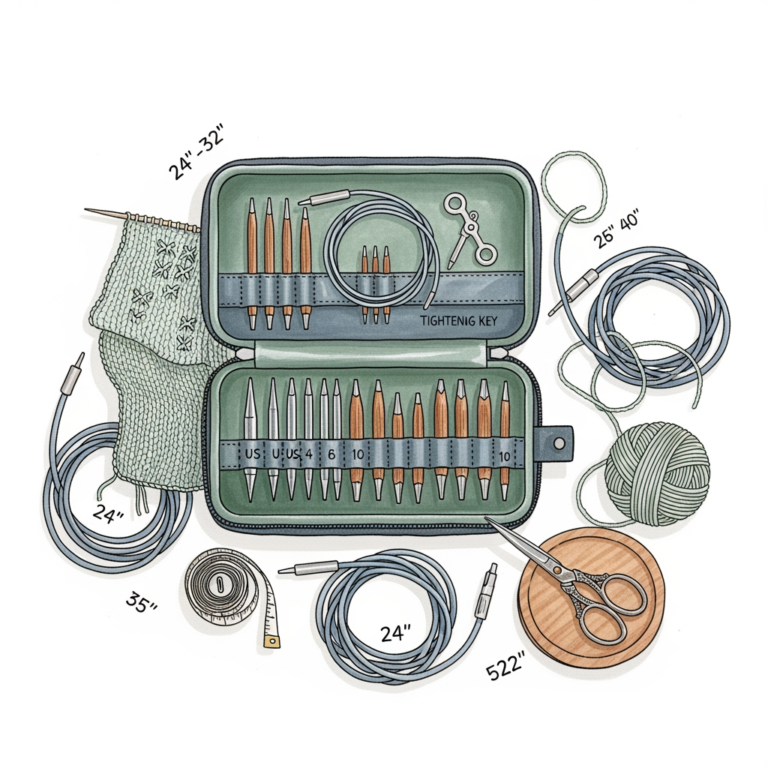
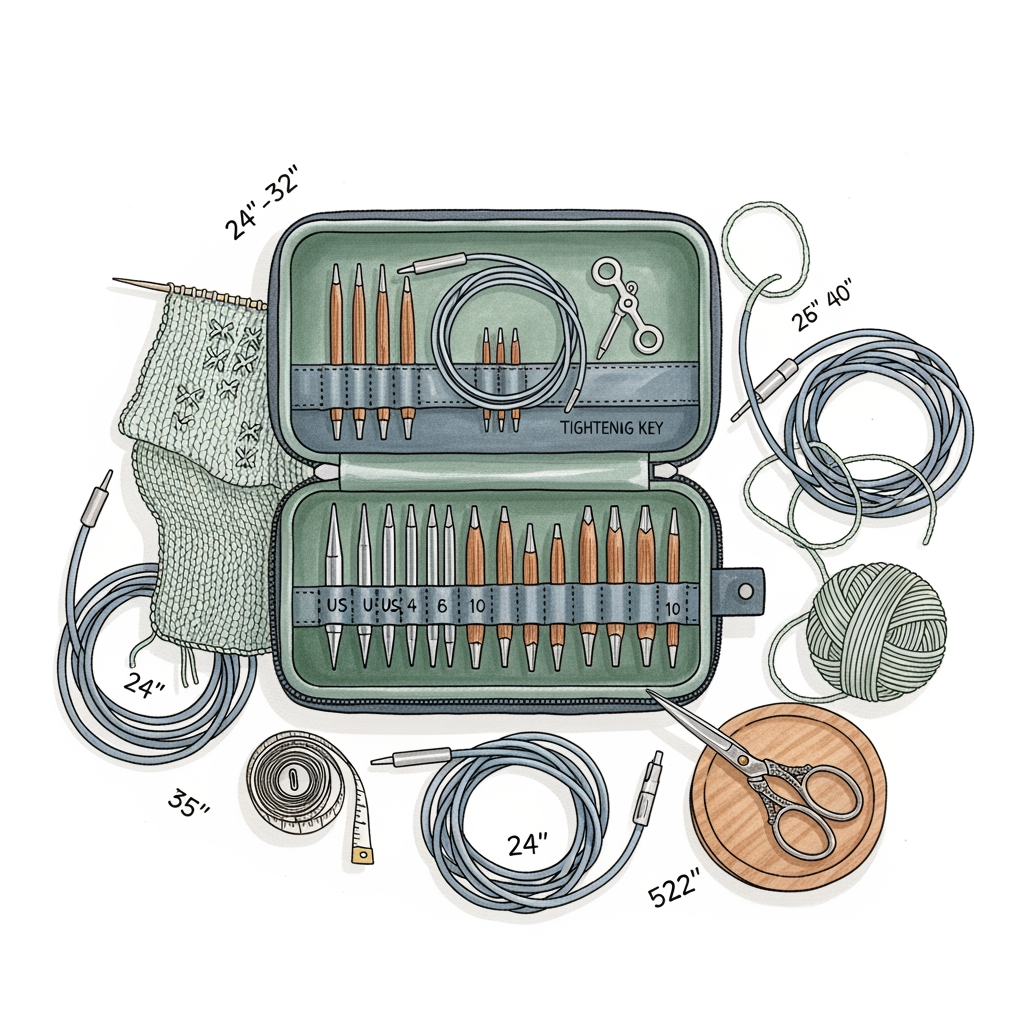
Few things are more frustrating than a needle tip unscrewing mid-row, potentially dropping stitches into the abyss of your project. Interchangeable needles offer incredible versatility, but they rely entirely on the mechanical integrity of that tiny threaded connection. Mastering the use of a tightening key is the difference between a seamless knitting experience and constant, anxiety-inducing checks. Here are the best tools to ensure your needles stay exactly where they belong.
ChiaoGoo Stainless Steel T-Pin Key: Best Overall


The ChiaoGoo T-pin key is the gold standard for a reason. Its unique shape provides a comfortable handle that allows you to apply leverage without digging into your fingers.
When you are working on a massive project like a heavy wool blanket, the weight of the fabric can put significant torque on the needle joint. This T-pin design gives you the mechanical advantage needed to lock those threads firmly in place.
Because it is made of durable stainless steel, it won’t bend or snap under pressure. It is a reliable, no-nonsense tool that earns its place in every project bag.
HiyaHiya Steel Needle Tightening Key: Best Grip
HiyaHiya keys feature a distinct rubberized or textured grip that makes them incredibly easy to handle, especially for knitters with arthritis or limited dexterity. If you find standard, thin keys difficult to hold, the added surface area here is a game changer.
The steel construction is rigid, which is vital for getting that final, crucial quarter-turn on the connection. When you feel that slight ‘click’ or resistance, you know the needle is secure.
While the grip is excellent, be mindful not to over-tighten to the point of stripping the threads. Use the grip to ensure stability, not to force a connection that doesn’t want to seat properly.
Lykke Interchangeable Needle Key: Best for Wood

Lykke needles are beloved for their smooth, warm birch finish, but wood-to-metal connections require a bit more finesse. The Lykke key is specifically designed to provide the right amount of torque without damaging the delicate wood base of the needle tip.
When tightening wood needles, you want a firm seat, but you must avoid excessive force that could crack the wood or compress the threading. This key provides a balanced feel, allowing for a secure connection that respects the material.
If you are a fan of natural fibers like wool or alpaca, these needles are a joy to use. Just remember that wood can expand and contract slightly with humidity, so check your connections occasionally.
Knitter’s Pride Stainless Steel Key: Best Value

If you are prone to losing your tools—and let’s be honest, we all are—the Knitter’s Pride stainless steel keys are a fantastic, affordable option. They are simple, effective, and usually come in packs so you can stash one in every project bag.
These keys are thin and unobtrusive, making them perfect for travel knitting. They don’t take up space, and they perform the essential task of tightening the connection with ease.
Don’t let the low price point fool you; they are robust enough for daily use. They are the workhorses of the interchangeable needle world, doing exactly what they need to do without any fuss.
Addi Turbo Interchangeable Tightening Key: Best
Addi systems are unique because they often use a click-in mechanism rather than a traditional screw-in thread. The Addi key is specifically engineered to engage their proprietary locking system, which is unlike any other on the market.
For those who love the speed and convenience of Addi’s click-in tips, this key is non-negotiable. It provides the precise pressure needed to seat the needle into the cable housing securely.
Because this system is so distinct, you cannot substitute a generic key for an Addi. Always keep the specific key that came with your set or a designated replacement on hand.
Denise Interchangeable Needle Key: Best for Sets

Denise needles utilize a unique locking system that requires a specific, gentle turn to engage the plastic-on-plastic connection. The Denise key is designed to provide the necessary leverage to lock these components together effectively.
Since these needles are made of resin, the connection feels different than metal or wood. You want a snug fit, but you don’t need to apply the same level of force you would with a stainless steel needle.
These keys are lightweight and easy to carry, making them ideal for knitters who take their projects on the go. They are simple, reliable, and perfectly suited to the Denise system.
Why Tight Connections Prevent Needle Disconnects
The connection point between a needle and a cable is a high-stress area. As you knit, the constant motion of sliding stitches across the joint naturally creates a loosening effect.
If the connection isn’t tightened with a key, the gap between the needle and cable can snag your yarn. This is particularly problematic with delicate fibers like lace-weight silk or mohair, where a small burr or gap can cause a stitch to drop or the yarn to fray.
Using a key ensures that the internal threads are fully seated. This creates a smooth transition that allows your stitches to glide effortlessly, preventing the dreaded "yarn catch" that ruins your rhythm.
How to Properly Use a Key for Secure Tightening
To use a key correctly, insert it through the small hole located on the cable end or the needle base. Hold the needle tip firmly in one hand and the cable in the other.
While holding the key in place, turn the needle clockwise to tighten. The key acts as a lever, allowing you to achieve that final, secure lock that your fingers alone cannot provide.
Never use your teeth or pliers to tighten needles, as this can damage the finish or the threads. The key is the only tool designed for this specific mechanical job.
Troubleshooting Common Interchangeable Needle Slips
If your needle keeps unscrewing, check the threads for any debris or dried fiber. Even a tiny piece of stray wool can prevent the needle from seating fully, leading to a loose connection.
Also, verify that you are using the correct cable for your needle brand. While some systems appear similar, thread pitches often differ, and forcing a mismatch will eventually strip the threads.
If you are a particularly vigorous knitter, you might find that you need to check your connections every few rows. It is a small habit that saves hours of frustration later.
Essential Maintenance Tips for Needle Connections
Keep your keys organized by attaching them to a stitch marker or a dedicated key ring. Losing your key is the most common reason for loose connections.
Periodically wipe down the threaded areas with a soft, dry cloth to remove any accumulated oils or dust. A clean connection is a secure connection.
If you notice the threads on your needle tips are becoming worn or difficult to engage, it may be time to retire that pair. Investing in quality tools and maintaining them properly is the hallmark of a seasoned maker.
Investing in the right tightening key is a small but significant step toward a more professional knitting experience. By ensuring your connections are secure, you protect your yarn and maintain the integrity of your hard work. Choose a tool that feels comfortable in your hand, keep it handy, and enjoy the peace of mind that comes with a perfectly stable needle. Happy knitting!