6 Best Craft Scissors For Trimming Felt For Crafters
Finding the right tool is key for crisp felt edges. We review the 6 best craft scissors, focusing on blade precision, grip comfort, and durability for crafters.
Cutting felt can be an exercise in frustration if your blades aren’t up to the task, often resulting in jagged edges that ruin a beautiful applique or plush project. As someone who has spent decades working with various fibers, I know that the right tool is the difference between a clean, crisp finish and a frayed, uneven mess. This guide explores the best scissors for felt, ensuring your cuts are as precise as your knitting gauge. Investing in quality shears is just as vital as choosing the right needle size for your yarn weight.
Gingher 8-Inch Knife Edge Dressmaker Shears


These shears are the gold standard for many crafters, and for good reason. The knife-edge grind allows the blades to glide through dense wool felt like a hot needle through butter.
When you’re working on a detailed project, like cutting out intricate shapes for a felted sweater embellishment, you need a tool that doesn’t skip or chew the fabric. These scissors offer a smooth, consistent cut that prevents the "stair-stepping" effect often seen with inferior blades.
However, keep in mind that these are heavy-duty tools. They require a bit of care to maintain their alignment, so avoid using them on paper or wire, which can dull the edge instantly.
Fiskars Amplify Razor Edge Fabric Shears

Fiskars is a household name, but the Amplify series is a significant step up for anyone dealing with thicker materials. These scissors feature a unique sensor mechanism that senses when the blades are starting to separate while cutting thick felt.
This "amplification" ensures that even the densest industrial felt gets cut cleanly from the pivot to the tip. It’s an excellent choice if you find that your hand strength tires quickly during long cutting sessions.
The tradeoff here is the bulkier design, which might feel slightly less nimble for tiny, tight-radius curves. If you are cutting large shapes for a felted bag or tote, these are a reliable, ergonomic workhorse.
Kai 7230 9-Inch Professional Dressmaking Shears

Kai scissors are legendary for their high-carbon stainless steel, which holds an edge longer than almost anything else on the market. These are exceptionally sharp right out of the box and feel incredibly light in the hand.
Because they are so sharp, they reduce the amount of "drag" you feel when cutting through multiple layers of felt. This precision is invaluable when you are trying to match up pieces for a seamless, professional-looking finish on your fiber projects.
They are a significant investment, but for a serious crafter, they are worth every penny. Just be prepared to handle them with respect, as they are unforgivingly sharp.
Westcott 8-Inch Titanium Bonded Scissors
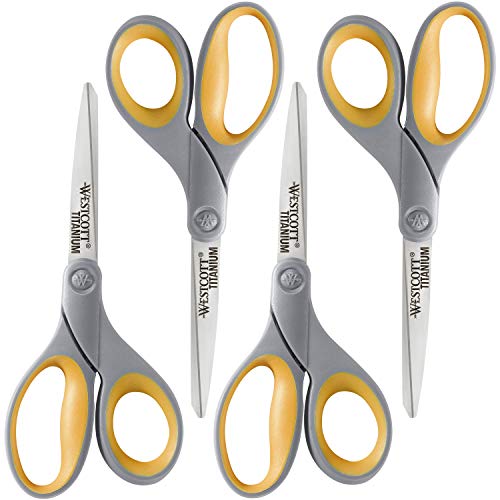
If you are looking for a balance between affordability and performance, the Westcott Titanium Bonded line is a solid choice. The titanium coating isn’t just for show; it actually helps the blades resist sticking and corrosion over time.
These are particularly good if you work in an environment where your tools might be exposed to humidity or if you tend to have slightly acidic skin oils that can cause lesser blades to pit. They glide through standard craft-store felt with ease.
While they may not hold an edge as long as a high-end professional shear, they are easy to replace and provide a consistent cut for general-purpose crafting. They are the perfect "everyday" pair to keep next to your knitting basket.
Havel’s 8-Inch Serrated Crafting Scissors

Serrated blades are a secret weapon for felt enthusiasts. One blade is micro-serrated, which acts like tiny teeth to grip the felt fibers as you cut, preventing the material from sliding away from the blades.
If you have ever struggled with felt shifting while you try to cut a straight line, these will be a revelation. They hold the fabric firmly in place, ensuring that your cuts remain perfectly aligned with your pattern markings.
These are specialized tools, so they might not be your "do-it-all" scissors, but for felt, they are hard to beat. They provide a level of control that smooth-edged blades simply cannot replicate on fibrous surfaces.
LDH Scissors Midnight Edition Fabric Shears
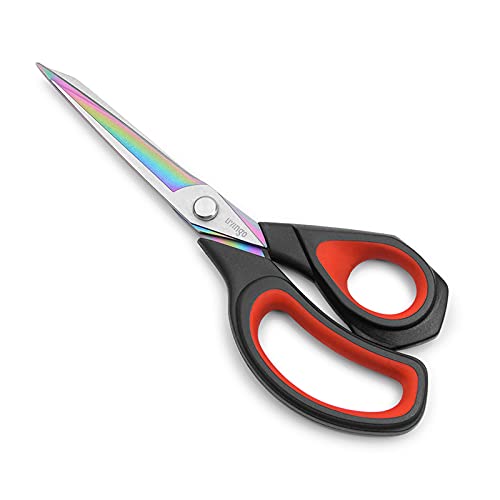
LDH has gained a massive following for creating tools that are as beautiful as they are functional. The Midnight Edition is crafted from industrial-grade steel and features a sleek, matte black finish that looks stunning on any craft desk.
Beyond the aesthetics, these scissors are balanced perfectly for long-term use. If you are spending hours cutting felt for a complex project, the ergonomic handle design will save your hands from cramping.
They offer a very smooth, "buttery" cutting action that feels luxurious. It’s a premium tool for the crafter who appreciates quality engineering and wants a pair of scissors that will last for years to come.
Essential Features to Look for in Felt Scissors
When shopping for scissors to use on felt, look for high-quality steel that can be sharpened. Adjustable tension screws are also critical, as they allow you to tighten the blades if they start to feel loose or start "chewing" the fabric.
You should also consider the handle ergonomics, especially if you have arthritis or hand fatigue. A comfortable grip allows for better control, which is essential when navigating tight corners or intricate designs.
- Blade Material: Look for high-carbon steel or titanium-bonded steel.
- Handle Design: Choose offset handles for better comfort and stability.
- Blade Length: An 8-inch blade is the "sweet spot" for most felt projects.
Why Serrated Blades Are Best for Cutting Felt
Felt is a non-woven textile, meaning it doesn’t have a grain like woven cotton. Because of this, it has a tendency to "creep" or slide when you apply pressure with a smooth blade.
Serrated edges provide a mechanical advantage by "biting" into the fibers, which anchors the material. This prevents the top layer of felt from shifting independently of the bottom layer while you are cutting.
This is particularly important when you are cutting multiple layers at once. If you’ve ever tried to cut two pieces of felt together and ended up with one piece shorter than the other, serrated blades are your solution.
Proper Maintenance and Care for Your Scissors
Treat your scissors like you treat your favorite knitting needles; they are an extension of your craft. Never use your fabric shears to cut paper, plastic, or wire, as these materials can cause microscopic chips in the blade edge.
Store your scissors in a dry place, preferably in a sheath or a dedicated drawer. If you live in a humid climate, a light wipe with a silicone cloth can help prevent oxidation on the blades.
Most importantly, keep them out of reach of others who might be tempted to use them for household tasks. A dedicated "fiber-only" pair of scissors will stay sharp significantly longer than a communal pair.
How to Keep Your Crafting Blades Sharp Longer
Cutting through felt can be demanding on your blades, so maintenance is key. Periodically check the tension screw; if the blades feel like they are separating, a slight turn with a screwdriver can restore the cutting action.
If your blades start to feel dull, don’t reach for a kitchen knife sharpener. Send them to a professional sharpener who understands the specific grind required for fabric shears.
You can also prolong the edge by cutting a few layers of aluminum foil once in a while, which can help clean off microscopic debris. However, this is a stop-gap measure and no substitute for professional sharpening.
Choosing the right scissors for your felt projects is a foundational step that will save you hours of frustration and wasted material. Whether you opt for the precision of a Kai or the grip of a serrated Havel, ensure your tool is kept exclusively for your craft. Just like your needles, your scissors are a partner in your creative process, so choose one that feels right in your hand. Happy crafting, and may all your cuts be clean and true.