6 Best Wool Yarns For Cable Sweaters To Try
Discover the top six wool yarns for cable sweaters. Our guide highlights textures and durability to help you choose the perfect material for your next knit.
Choosing the right yarn for a cabled sweater is the difference between a garment that looks like a tangled mess and one that sings with architectural beauty. Cables demand a fiber that can hold its shape while highlighting the intricate twists and turns of your stitch work. After two decades at the needles, I have learned that not all wool is created equal when it comes to structural integrity. Here are my top recommendations for ensuring your next cable project becomes a cherished heirloom.
Brooklyn Tweed Shelter: Best For Crisp Stitch Definition
Brooklyn Tweed Shelter is a woolen-spun yarn, which means the fibers are carded rather than combed, creating a light, airy strand with incredible loft. Because it isn’t tightly compacted, it acts like a tiny spring, allowing the wool to expand and fill the space of your cable twists.
This yarn is the gold standard for those who want their cables to stand up and shout. When you cross your stitches, the fiber grips onto itself, ensuring the "pop" of the cable remains sharp even after months of wear. It is particularly forgiving for beginners because the grippy nature of the wool prevents stitches from sliding around while you navigate a cable needle.
However, be aware that this is a delicate, rustic yarn. It is not a superwash wool, meaning it is prone to felting if you are too aggressive during the washing process. If you are looking for a sweater that can handle heavy abuse, this might not be your best bet, but for a classic, structured fisherman’s sweater, it is peerless.
Malabrigo Rios: Best For Softness And Rich Color
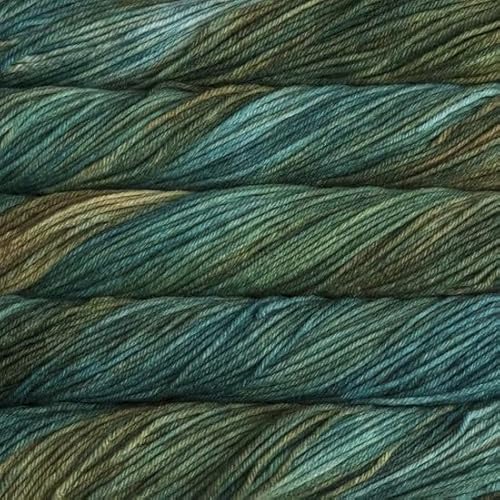

If you find traditional rustic wools too itchy against your skin, Malabrigo Rios is your best friend. It is a plied, superwash merino wool that offers a luxurious, buttery hand feel while maintaining enough twist to keep cables visible.
The biggest draw here is the depth of color. Because it is kettle-dyed in small batches, the slight variations in hue add a painterly quality to your cables, making them look even more complex than they actually are. It is a fantastic choice for a sweater that you plan to wear directly over a t-shirt.
The tradeoff is that merino is a very "relaxed" fiber. It lacks the memory of a breed-specific wool like Targhee or Corriedale, so your cables may look slightly softer and less defined than they would in a more rustic yarn. If you choose Rios, ensure your gauge is tight enough to keep the fabric from sagging over time.
Cascade 220 Wool: Best Value For Classic Projects

Cascade 220 is the workhorse of the knitting world for a reason. It is a standard worsted-weight, plied wool that provides a consistent, reliable stitch that won’t break the bank when you are buying enough yardage for a full-sized adult sweater.
When you are working a project with thousands of cable crossings, you want a yarn that is predictable. Cascade 220 doesn’t surprise you; it behaves exactly how you expect a wool yarn to behave, making it perfect for complex patterns where you don’t want the yarn fighting against your technique.
While it isn’t the softest yarn on the market, it softens significantly with the first wash and block. It is a mid-range fiber that balances durability with comfort, making it an excellent choice for a hard-wearing sweater intended for daily outdoor use.
Rowan Felted Tweed: Best For Textured Cable Depth

Rowan Felted Tweed is a unique blend of wool, alpaca, and viscose that creates a heathered, lightweight fabric with a matte finish. The inclusion of alpaca provides a subtle halo that softens the edges of your cables, giving the garment a sophisticated, antique look.
This yarn is ideal for intricate, delicate cabling where you want the texture to feel organic rather than sharp. The fiber blend is incredibly light, which is a major advantage if you are knitting a long, heavy cable-covered cardigan that might otherwise become too heavy to wear comfortably.
Keep in mind that the viscose content can make the yarn feel a bit "thirstier" than pure wool. You will want to be diligent about your gauge swatch, as this yarn can grow slightly when blocked. It provides a beautiful, muted aesthetic that elevates a simple cable pattern into something truly special.
Quince & Co. Osprey: Best For Chunky Cable Sweaters
When you want your cables to look like architectural pillars, you need a yarn with enough girth to carry the weight. Quince & Co. Osprey is a thick, woolen-spun yarn that creates a substantial fabric with a beautiful, matte finish that highlights the geometry of your stitches.
Because it is a bulky weight, your sweater will grow quickly, which is a huge motivator for many knitters. The yarn has a round, plump structure that makes the twists in a cable pop against the background purl stitches with very little effort.
The main consideration here is the weight of the finished garment. Because you are using more fiber per square inch, the sweater will be heavy and warm. It is the perfect choice for a winter cabin sweater, but perhaps too much for a transitional spring piece.
Jamieson’s Shetland Spindrift: Best For Traditional

If you are interested in the history of knitting, you eventually find your way to Shetland wool. Jamieson’s is the quintessential choice for traditional Gansey or Aran-style sweaters, offering a toothy, authentic fiber that holds a cable like nothing else.

This yarn is not for those who prioritize softness; it is for those who prioritize authenticity and structural integrity. The wool is sturdy and crisp, ensuring that every crossing in your cable pattern remains exactly where you placed it, even after years of wear.
If you are tackling a complex, historic pattern, using this yarn will give you the most accurate result. It is a thinner yarn, often used held double or in traditional colorwork, but for a classic, fitted cable sweater, it provides a level of definition that modern, super-soft yarns simply cannot match.
Why Cable Stitch Patterns Require High Fiber Memory
Cable stitches are essentially fabric manipulation; you are pulling stitches out of their natural alignment and forcing them to cross over one another. A yarn with "high memory"—like a non-superwash wool—will naturally want to spring back to its original shape, which helps the cable stay tight and defined.
- Wool: Excellent memory and elasticity.
- Alpaca: Low memory; tends to drape and stretch out.
- Cotton: Zero memory; cables will flatten and sag over time.
If you use a fiber with low memory, your cables will eventually look "tired" or stretched out. Always look for a yarn that feels springy when you squeeze the ball. If it feels dead or limp, your cables will likely lose their impact after the first few wears.
Choosing The Right Wool Ply For Maximum Cable Relief
The ply of a yarn—the number of strands twisted together—significantly impacts how your cables look. A tightly twisted, multi-ply yarn will produce a very clear, sharp cable, whereas a single-ply yarn will result in a softer, more blurred cable texture.
If you are working a very complex, high-contrast cable pattern, opt for a 3-ply or 4-ply yarn. The twist provides a physical "edge" to the stitch that makes the cable stand out from the background. Single-ply yarns, while beautiful and soft, tend to pill and lose definition in high-friction areas like the elbows of a sweater.
Always check the yarn label for the twist. A "high twist" yarn is your best ally for cables. It will resist pilling and maintain that crisp, architectural look that makes a cabled sweater a masterpiece.
How To Calculate Yardage For Intricate Cable Designs
Cables are yarn-hungry. Because you are twisting stitches, you are using more length of yarn to cover the same amount of surface area compared to stockinette stitch. A good rule of thumb is to add 15-20% more yardage to your estimate if your sweater is covered in heavy cables.
Don’t rely solely on the pattern’s suggested yardage if you are substituting yarn. Compare the meterage per 50g of your chosen yarn to the original. If your yarn is heavier or has a different fiber composition, you will need to adjust your total purchase accordingly to avoid "yarn chicken" at the cuffs.
Always buy one extra skein than you think you need. Having the same dye lot available if you run short is worth the small extra investment. It is much better to have a leftover ball for a matching hat than to be forced to finish a sleeve in a slightly different shade.
Proper Blocking Techniques To Make Cables Really Pop
Blocking is the final act of the knitting process, and for cables, it is non-negotiable. When you block a cabled sweater, you are essentially "setting" the stitches into their final, permanent positions.
For wool, use a gentle wool wash and soak the garment for 20 minutes before rolling it in a towel to remove excess moisture. Lay it flat on blocking mats, and use stainless steel pins to gently nudge the cables into their most flattering shape. Do not over-stretch; simply coax the fibers to relax.
Allow the garment to dry completely before unpinning. You will be amazed at how much more three-dimensional your cables look once they have been blocked. This step transforms a lumpy, hand-knitted piece into a professional, polished garment.
Knitting a cabled sweater is a labor of love that rewards patience and careful material selection. By choosing a high-memory wool and taking the time to block your finished work, you ensure your efforts result in a garment that lasts for decades. Trust your hands, swatch your yarn, and enjoy the rhythmic process of watching those cables emerge. Happy knitting to all of you, and may your tension always be even.