7 Best Spinning Finger Cots for Blister Prevention
Prevent blisters during intense spinning sessions with our top 7 finger cots. Discover durable, breathable options that ensure comfort and protect your grip.
If you’ve ever found yourself with a raw, throbbing fingertip after hours of working with unforgiving linen or tightly twisted wool, you know the frustration of a project stalled by physical pain. Spinning, lace knitting, and complex colorwork can turn a relaxing hobby into an endurance sport that wears down your skin. Investing in a quality finger cot isn’t a sign of weakness; it’s a tool for longevity in your craft. These seven options will help you protect your hands so you can keep your needles moving without the sting of a blister.
Clover Spinning Finger Cots: The Best Overall Pick
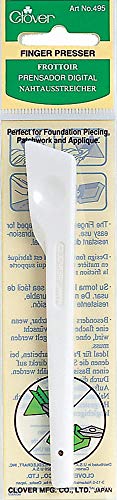

Clover’s finger cots are a staple in the kits of serious fiber artists for a reason. They offer a unique texture that provides just enough grip to manipulate slippery silk or bamboo yarns without sacrificing the tactile feedback needed for precise tension control.
These are particularly effective for spinners who work with high-twist yarns that tend to "saw" into the skin during drafting. The material is breathable enough to prevent that swampy, sweaty feeling that often leads to skin irritation during long summer knitting sessions.
However, they can be a bit snug for those with larger knuckles. If you find them too tight, try wearing them only on the primary drafting finger to maintain dexterity in the rest of your hand.
Dr. Scholl’s Duragel Finger Guards for Comfort

Sometimes the best tools for knitting aren’t found in a craft store, but in the pharmacy aisle. These gel-based guards provide a cushioned barrier that is unmatched if you are dealing with an existing blister or a particularly deep callus.
The gel absorbs the pressure of the yarn as it pulls across your skin, which is a lifesaver when working with abrasive fibers like rustic wool or metallic novelty yarns. They stay in place remarkably well, even when your hands get a bit warm from the friction of rapid-fire knitting.
Be aware that the gel can sometimes feel a bit "tacky" against certain synthetic fibers. If you notice your yarn catching, a light dusting of cornstarch on the outside of the guard can smooth things right out.
Nexcare Flexible Foam Finger Cots for Precision
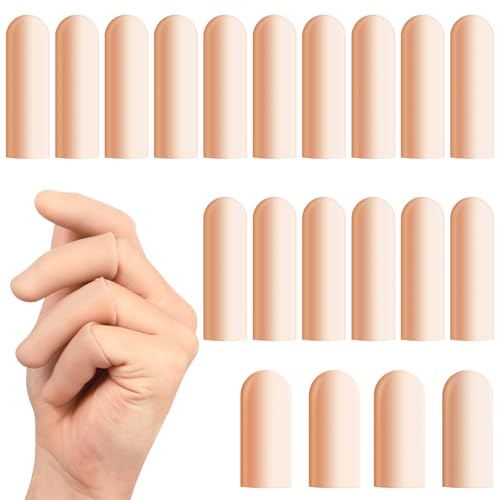
When you are working on intricate lace or fine-gauge projects, you need a guard that doesn’t feel like a bulky glove. Nexcare’s foam cots are incredibly thin and allow for the level of precision required to pick up tiny stitches or manipulate delicate mohair.
They function like a second skin, offering protection without hindering your fine motor skills. Because they are so lightweight, you might even forget you have them on, which is the ultimate goal for any knitting accessory.
The trade-off here is durability; they are not designed for the heavy-duty wear and tear of spinning thick, unspun roving. Keep these in your project bag for delicate finishing work rather than heavy-duty construction.
Stronghold Heavy Duty Rubber Cots for Durability
If you are a spinner who works with heavy, coarse fibers or you find yourself knitting with tight, high-tension stitches, these rubber cots are your best defense. They are thick, resilient, and virtually indestructible against the friction of even the most abrasive fibers.
They provide a very high-friction surface, which is fantastic for gripping needles or managing slippery metal needles that tend to slide out of your hands. The grip is so effective that it can actually help you maintain a more consistent gauge by preventing your fingers from slipping during the pick-up motion.
Just keep in mind that they offer zero breathability. You will likely want to remove them periodically to let your skin breathe, especially if you are knitting for hours on end.
3M Coban Self-Adherent Wrap for Custom Fitting

For those who find traditional finger cots either too tight or too loose, the 3M Coban wrap is a game-changer. It is a self-adhering bandage that sticks to itself rather than your skin, allowing you to create a custom-sized guard tailored exactly to your finger shape.
This is the most versatile option for knitters with unique finger dimensions or those who need protection on a knuckle rather than just the pad. You can adjust the thickness by adding more layers, providing extra padding exactly where your specific knitting style causes the most friction.
The only downside is that it is a single-use product that creates waste. Keep a roll in your bag, but be prepared to replace it after a few sessions as the self-adhesive properties eventually fade.
Paskyee Silicone Finger Protectors for Spinners
Silicone protectors are a modern favorite because they are washable, reusable, and remarkably soft against the skin. These are excellent for spinners who need a non-slip surface to manage the twist in their fiber without the drag associated with rubber.
They are flexible enough to allow for a full range of motion, which is crucial when you are performing the rhythmic, repetitive movements of drafting fiber. They also provide a bit of warmth, which can be quite soothing if you are knitting in a chilly studio or a drafty house.
Because they are non-porous, they can get a bit sweaty inside after a few hours. A quick rinse with mild soap and water will keep them clean and ready for your next session.
ZenToes Gel-Lined Finger Caps for Added Support

ZenToes caps are essentially tiny, reinforced buffers that provide a serious level of impact protection. If you suffer from joint pain or sensitivity in your fingertips, the internal gel lining helps distribute pressure more evenly across the entire pad of the finger.
They are particularly useful for knitters who use "lever knitting" or "flicking" styles, where the yarn is constantly pulled across the same point of the finger. The added cushion can significantly reduce the fatigue that builds up after a long day of fiber work.
These are slightly bulkier than other options, so they might not be ideal for the most intricate lace work. Use them for your "workhorse" projects where comfort is the priority over absolute finger agility.
Why Finger Cots Are Essential for Fiber Spinners
In the world of fiber arts, your hands are your most important tools. Constant friction from yarn—especially when dealing with high-twist yarns or rustic, unwashed wool—can lead to micro-abrasions that eventually turn into painful blisters.
Using a finger cot isn’t just about pain management; it’s about maintaining a consistent tension. When your skin is irritated or raw, you naturally change your grip or tension to avoid the pain, which can lead to uneven stitches and gauge fluctuations throughout your project.
By protecting your skin, you ensure that your hands remain a neutral, stable platform for your work. This allows you to focus entirely on the rhythm of your craft rather than the discomfort of your skin.
How to Select the Right Size for Your Finger Type
Selecting the right size is the difference between a helpful tool and a distracting nuisance. If a cot is too tight, it will restrict blood flow and cause your hand to cramp; if it is too loose, it will constantly slip off and disrupt your workflow.
Measure the circumference of your index finger at the widest point, usually right behind the nail bed. Most manufacturers provide size charts, but remember that materials like rubber and silicone have different levels of stretch.
- For thin, delicate fingers: Opt for foam or adjustable wraps.
- For wider, stronger fingers: Look for silicone or high-stretch rubber designs.
- For those with joint swelling: Prioritize gel-lined caps that provide a gentle, non-constricting fit.
Maintaining Your Finger Cots for Long-Term Use
Treat your finger cots as you would your favorite needles or crochet hooks. Silicone and rubber cots should be washed regularly with mild soap to remove the natural oils and debris that accumulate during a long knitting session.
Avoid leaving them in direct sunlight or extreme heat, as this can degrade the material and make them brittle over time. If you use self-adherent wraps, keep them in a sealed bag to prevent the adhesive from drying out or picking up lint from your yarn stash.
If a cot starts to lose its shape or becomes tacky in an unpleasant way, don’t hesitate to replace it. A worn-out tool is a hindrance, and your hands deserve the best support you can provide to keep your creative journey going for decades.
Protecting your hands is a fundamental part of a sustainable knitting practice. Whether you choose the precision of foam, the durability of rubber, or the custom comfort of a wrap, the right finger cot will keep you crafting for years to come. Don’t let a minor blister dictate your project timeline or dampen your love for the fiber arts. Choose the option that fits your unique style, keep your hands healthy, and enjoy the meditative rhythm of your next cast-on.