6 Best Shawl Pins For Heavy Wraps That Stay Secure
Secure your heavy wraps with ease. We review the top 6 shawl pins designed for durability and grip, ensuring your favorite layers stay perfectly in place.
Finding the perfect shawl pin is a rite of passage for any knitter who has spent dozens of hours crafting a heavy, wool-laden wrap. There is nothing more disheartening than watching a beautiful, dense garment slide off your shoulders because your fastener lacks the structural integrity to hold it in place. These six options prioritize security and fiber safety, ensuring your hard work stays exactly where you draped it. Choosing the right tool isn’t just about aesthetics; it’s about the mechanics of weight distribution and friction.
Jul Designs Pewter Shawl Pin: Best For Heavy Knits
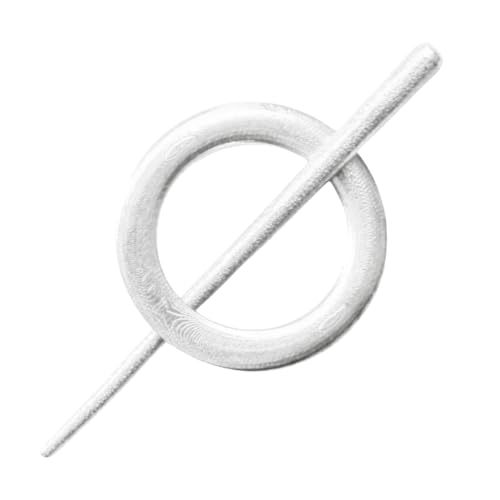

The Jul Designs pewter pins utilize a clever two-piece system that functions more like a structural fastener than a simple brooch. Because they use a leather or metal ring combined with a pin, they create a mechanical lock that is incredibly difficult for thick, heavy cables or bulky garter stitch to wiggle out of.
If you are wearing a heavy, worsted-weight wool wrap, the weight of the fabric often pulls against the pin, causing standard stick-style pins to sag or droop. The Jul design distributes that tension across the surface area of the ring, preventing the "puckering" effect that ruins the drape of your fabric.
These are particularly effective for dense, non-superwash wools that have a natural "grab" or halo. The pewter is sturdy and won’t bend under the weight of a multi-ply, heavy-gauge project.
Knitter’s Pride Nova Cubics Pin: Secure Grip Choice

The Nova Cubics pin is a standout because of its unique geometry, which offers more surface area for the fabric to cling to. Unlike a perfectly round metal pin that can slide through loose stitches, the faceted edges of the Cubics design provide subtle friction points that keep the pin from rotating or migrating.
This is an excellent choice for knitters who use smoother, plied yarns like merino-nylon blends, which can be notoriously slippery. The faceted shape acts as a slight brake against the yarn, preventing the pin from working its way out of the fabric over the course of a day.
However, be mindful that the metal is quite rigid. If you are pinning through a very delicate or loosely blocked lace section, the sharp, angular tip requires careful placement to avoid snagging a fiber.
Namaste Bamboo Shawl Stick: Gentle On Delicate Fibers

Bamboo is a fantastic material for shawl sticks because it possesses a natural, matte friction that metal simply cannot replicate. If you are worried about the structural integrity of your yarn—perhaps a hand-dyed single ply that is prone to pilling—this is your safest bet.
The slight "tooth" of the bamboo fibers grips the yarn gently, holding your wrap securely without the need for a tight, aggressive clasp. It’s a softer, more organic way to secure a garment, and it won’t leave permanent indentations in softer fibers like alpaca or cashmere.
Because bamboo is lightweight, it won’t add unnecessary drag to your shawl. It is the ideal choice for those who want security without the risk of the tool itself stretching out the fabric due to its own weight.
Della Q Maker’s Pin: Sturdy Design For Thick Wraps

The Della Q Maker’s pin is built with the "maker" in mind, focusing on heavy-duty construction that can handle the weight of a blanket-sized shawl. It features a robust, industrial aesthetic that pairs perfectly with rustic, thick-spun yarns.
This pin is significantly thicker than standard jewelry-style pins, which means it displaces more fabric when inserted. This is a benefit for heavy wraps because the pin acts as a structural bridge, distributing the load across a wider set of stitches rather than relying on a single thin wire.
If you find that your shawls are constantly sagging, the thicker gauge of this pin will provide the necessary support. Just ensure you are inserting it through the thickest part of your fabric, such as a cable cross or a seam, for maximum stability.
Lantern Moon Ebony Stick: Elegant And Slip Resistant

Ebony is a dense, hard wood that can be polished to a glass-like finish while retaining its natural ability to resist sliding. Lantern Moon sticks are favored by those who want a high-end, sophisticated look that performs as well as it looks.
The secret here is the density of the wood; it is heavy enough to feel substantial but lacks the cold, slick surface of plated metal. It stays put because the wood has a microscopic texture that interacts with the fibers of your yarn, creating a natural "grip" that prevents the stick from slipping out.
These are perfect for projects that have a bit of weight but require a more refined aesthetic. They won’t snag your yarn, and they provide a secure hold that feels intentional rather than forced.
Cocoknits Leather Tool: Modern Minimalist Security
The Cocoknits leather shawl pin is a brilliant departure from traditional metal or wood sticks. It uses a soft, pliable leather tab paired with a metal or wood pin, which creates a "sandwich" effect that is incredibly secure for heavy wraps.
Because the leather is flexible, it conforms to the thickness of your fabric. If you have a very bulky, chunky-knit wrap, the leather tab will accommodate the volume without forcing the pin to stretch or distort the stitches.
This is the ultimate choice for the minimalist knitter. It provides a secure hold through sheer friction and surface area, and because it is made of leather, it will develop a beautiful patina over time without ever damaging your precious hand-knit fabric.
How To Choose The Right Pin For Your Heavy Wraps
- Consider the yarn weight: Heavier, bulkier yarns require a thicker pin or a two-piece system to prevent sagging.
- Evaluate the fiber type: Slippery, high-twist yarns need pins with more texture (like wood or matte metal), while rustic or fuzzy yarns can handle smoother materials.
- Assess the stitch pattern: If your shawl is lace-heavy, prioritize a pin with a blunt tip to avoid snagging; if it is dense stockinette or cables, a sturdier, thicker pin is better.
- Check the pin length: A longer pin offers more surface area to weave through the fabric, which increases security for heavy wraps.
Understanding The Physics Of Secure Shawl Pinning
Securing a heavy wrap is essentially a game of tension and weight distribution. The pin acts as a lever; the further it extends through the fabric, the more effectively it can distribute the weight of the wrap across multiple stitches.
If you only catch a small amount of fabric, the weight of the shawl will create a pivot point, eventually pulling the pin out or stretching your stitches. Always aim to weave the pin through at least two or three layers of fabric or a structured part of the pattern, such as a cable or a transition between sections.
Think of your pin as a structural support beam. The more "anchors" you provide by weaving the pin in and out of the fabric, the more secure the hold will be.
Preventing Fabric Damage With Proper Pin Placement
The most common cause of fabric damage isn’t the pin itself, but how it is forced through the stitches. Never push a pin through a stitch if you feel resistance; instead, gently wiggle it between the plies of the yarn.
If you are using a metal pin, be particularly careful with superwash wools, which can be prone to splitting if a sharp tip catches a single ply. Always check that the pin is fully seated and that the weight of the wrap isn’t pulling on a single, vulnerable loop of yarn.
When in doubt, use a pin with a slightly blunter tip or a two-piece design that doesn’t require piercing the fibers at all. Protecting the integrity of your stitches is just as important as keeping the shawl securely wrapped.
Maintenance Tips For Keeping Your Shawl Pins Secure
- Check for burrs: Periodically run your fingernail along the length of your pin to check for any rough spots that could snag your yarn.
- Condition your wood pins: If you use wooden sticks, a tiny drop of wood oil or wax can keep them smooth and prevent them from becoming brittle.
- Clean metal pins: Use a soft cloth to remove skin oils or residue that might make the pin slippery over time.
- Store properly: Keep your pins in a dedicated case to ensure they don’t get bent or scratched, which could compromise their ability to hold your fabric securely.
Investing in a high-quality shawl pin is the final step in honoring the many hours you spent at your needles. By understanding how the mechanics of friction, material, and weight interact with your specific project, you can ensure your hard work stays safe and stylish. Whether you choose the structural support of a two-piece pewter set or the gentle grip of bamboo, the right pin will make all the difference in your daily wear. Choose wisely, pin carefully, and enjoy the comfort of a wrap that stays exactly where you need it to be.