6 Best Wall Hooks For Hanging Finished Blankets
Display your handmade throws with style. We review the six best wall hooks that offer sturdy support and aesthetic appeal for your finished blanket collection.
After spending hundreds of hours pouring your soul into a hand-knit blanket, the last thing you want is for it to gather dust in a storage bin. Proper wall storage transforms your finished work into a rotating piece of fiber art that showcases your stitch definition and color choices. Finding the right hook isn’t just about weight capacity; it’s about protecting the structural integrity of your yarn. Here are the best solutions to keep your heirloom-quality projects displayed beautifully and safely.
Command Large Utility Hooks: Best Overall Choice
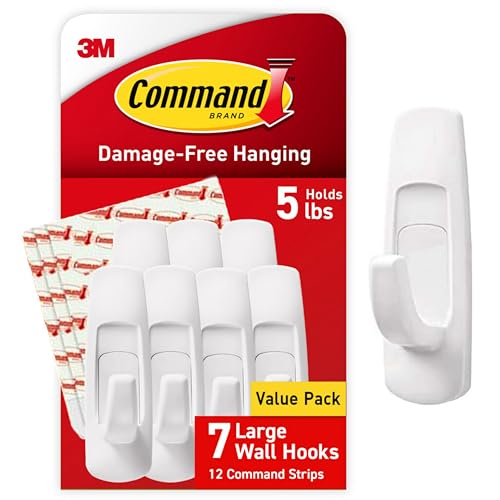

When you’re renting a space or simply don’t want to commit to permanent hardware, these adhesive hooks are the gold standard. They provide a surprising amount of strength for their size, capable of holding a heavy wool throw without pulling away from the drywall.
The key here is the wide, smooth profile of the hook itself. Unlike sharp metal points that can snag a delicate mohair or a loose cable, these plastic hooks offer a rounded surface that distributes the weight of your blanket across a larger area.
Just remember that adhesive strength relies heavily on surface preparation. Clean your wall with rubbing alcohol before applying, and always respect the weight limit to avoid a sudden "yarn-tastrophe" on your floor.
Umbra Skyline Multi-Hook: Best for Displaying

If you have a collection of small baby blankets or intricate lace squares, this piece acts as both a storage solution and a gallery rail. It allows you to drape multiple items side-by-side, which is perfect for showing off different stitch patterns like bobbles or lace eyelets.
The design is sleek and modern, but the real benefit is the spacing. By spreading the weight across five individual hooks, you reduce the tension on any single point of your blanket’s fabric.
Be mindful that the pegs are somewhat slender. I recommend folding your blanket over a secondary piece of fabric or a light cotton towel before hanging it to prevent the hook from stretching out your stitches.
West Elm Mid-Century Hooks: Best for Aesthetics
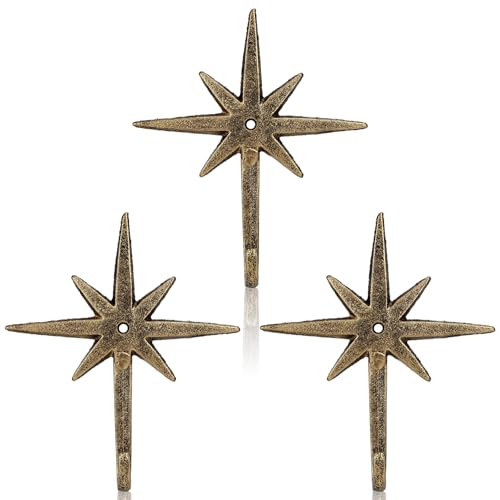
When your knitting room doubles as a living space, you want hardware that looks like intentional decor. These wooden, mid-century inspired hooks add warmth and texture to the wall, mirroring the natural fibers of your projects.
The wood is typically sanded to a smooth finish, which is excellent for snag-prone fibers like hand-dyed singles or loose, lofty wools. Because they are fixed directly into the wall, they provide a sturdy, permanent anchor point for your heaviest cabled afghans.
The trade-off is the lack of adjustability. Once these are installed, they are staying put, so measure your blanket’s width carefully to ensure it hangs centered and doesn’t drag on the floor.
IKEA Skogsviken Hooks: Best Budget Option

These simple, matte black hooks are a favorite among knitters who prefer an industrial or minimalist look. They are incredibly affordable, allowing you to create a long, customized gallery wall without breaking your yarn budget.
The hook shape is generous, providing enough depth to hold a thick, bulky-weight blanket securely. However, because they are metal, you must ensure the edges are completely burr-free before hanging your work.
If you find a sharp edge, a quick swipe with a fine-grit sandpaper or a dab of clear nail polish can smooth it out. It’s a small, proactive step that prevents a snag from turning into a dropped stitch or a pulled loop.
Hooks and Lattice Wall Pegs: Best for Heirlooms

For those heavy, oversized heirloom blankets that take months to complete, a traditional peg rail is the safest bet. By distributing the weight across multiple pegs, you prevent the "point loading" that can distort the shape of a hand-knit item.
This method effectively mimics the way we lay blankets flat for blocking. By supporting the fabric at several points along the top edge, you ensure the weight doesn’t pull the blanket out of its intended shape.
These are particularly great for heavy, superwash wool blankets that tend to stretch over time. The pegs provide a wide surface area that keeps the weight distributed evenly, preventing the fabric from "growing" under its own gravity.
Liberty Hardware Decorative Hooks: Best Design

Sometimes you want the hardware to be as beautiful as the project itself. These decorative hooks come in various finishes and shapes, adding a touch of elegance to your wall storage.
They are ideal for displaying a single, "hero" piece that you want to highlight as a focal point. Their high-quality finish often means they are less likely to have rough edges that could catch on delicate yarns.
However, avoid choosing hooks with intricate, jagged, or overly ornate designs. Even if they look beautiful, those sharp crevices are a nightmare for snagging delicate lace or fine-gauge alpaca blends.
Essential Factors for Choosing Blanket Hooks
The most important factor is the surface area of the hook. You want a hook that is wide and rounded rather than thin and pointed, as thin hooks create high-tension points that can permanently distort your knitted fabric.
Consider the weight of your project, especially if you are using heavy fibers like cotton or wool-blend worsteds. A dense, heavy blanket can easily stretch out if hung by a single, narrow point for an extended period.
Lastly, think about the "grip" of your yarn. Superwash wools are often slippery and might slide off a shallow hook, while sticky, high-twist wools might grab onto a rough hook. Always test the drape before committing to a long-term display.
Protecting Delicate Fibers from Hook Damage
Never hang a blanket directly by a single stitch or a loose yarn end. Always fold the blanket over the hook, or better yet, use a small piece of velvet ribbon or a cotton scrap as a buffer between the hook and your project.
If you are displaying a piece with delicate lace or openwork, be extremely cautious. Ensure the hook is completely covered by the fabric so that no part of the metal or plastic is exposed to the yarn.
If you notice your blanket starting to sag or distort, take it down for a few days. Let it rest flat on a table or bed to allow the fibers to "relax" and regain their original elasticity.
Proper Techniques for Hanging Heavy Blankets
When hanging a heavy project, the goal is to distribute the weight across as much surface area as possible. Use multiple hooks to create a "cradle" for the blanket, which prevents the fabric from stretching under its own weight.
If you have a very heavy, cabled blanket, try hanging it folded in half or even in quarters. This reduces the total vertical length and minimizes the gravitational pull on the stitches, keeping your hard-won gauge intact.
Remember that gravity is the enemy of a long-term display. If you notice the blanket stretching, rotate your display pieces or move them back to a flat storage method for a few weeks to keep the tension balanced.
Frequently Asked Questions About Wall Storage
Does hanging a blanket ruin the gauge? Over time, gravity can cause fibers to stretch, especially in heavy or loosely knit items. Rotating your display and using multiple support points helps mitigate this.
Should I wash my blanket before hanging it? Yes, always ensure your blanket is clean and properly blocked before display. Hanging a dusty or slightly soiled blanket can lead to permanent fiber damage or set in stains.
Can I use command strips for heavy blankets? Only if you use the heavy-duty, rated-weight strips and ensure the wall surface is perfectly clean. Always check the weight rating on the package and compare it to the weight of your dry blanket.
Displaying your finished blankets is a wonderful way to honor the time and skill invested in every row. By choosing the right hook and being mindful of weight distribution, you can keep your hand-knit treasures safe for years to come. Treat your wall space like an extension of your blocking board, and your projects will remain as beautiful as the day you bound off. Happy knitting, and may your walls be as cozy as your needles.