7 Best Blocking Pins For Small Projects To Own
Master your needlework with these 7 essential blocking pins. Discover the best tools to ensure precision, shape, and professional finishes for small projects.
Blocking is the final, transformative step that turns a puckered piece of knitting into a professional-looking garment. When working on small projects like lace ornaments, baby booties, or delicate swatches, the right pins can make the difference between a crisp finish and distorted stitches. Choosing the wrong tool often leads to rust marks, snagged fibers, or tension that just won’t hold. Here are the top seven blocking pins that deserve a place in your knitting kit.
KnitIQ Stainless Steel T-Pins for Precision Blocking


These T-pins are a staple for a reason: the stainless steel construction ensures they won’t rust, even when pinning a soaking wet wool project. The T-bar head provides a secure grip, making it easy to push them into dense blocking mats without straining your fingers.
Because they are made of high-quality steel, they maintain their shape even after repeated use on thick, heavy fibers. I find these particularly useful when blocking small, dense items like felted coasters or thick cable swatches that require significant tension.
If you are prone to losing your pins, the bright silver finish makes them easy to spot on your blocking mat. Just be aware that their thickness can occasionally be too much for the most delicate, cobweb-weight lace.
Clover Patchwork Pins for Delicate Lace Projects

When you are working with fine-gauge lace, standard T-pins can sometimes leave holes that are too large for the stitch structure. Clover’s patchwork pins are much thinner, allowing you to manipulate individual picots or lace points with surgical precision.
These are my go-to for projects where the yarn is slippery or prone to splitting. Because they are so fine, they don’t stretch the yarn loops as much as a thicker pin would, preserving the integrity of your hard-earned lace patterns.
The tradeoff here is durability; because they are so thin, they can bend if you try to force them into a stiff foam mat at an angle. Keep these strictly for delicate lace and save the heavy-duty pins for your worsted weight sweaters.
Knitter’s Pride Rainbow Knit Blockers for Speed

If you dread the time-consuming process of pinning out a shawl, these blockers are a game-changer. Instead of placing dozens of individual pins, you slide the long, comb-like blockers through the edge of your project and anchor them with just one or two pins.
They are incredibly efficient for straight edges or simple geometric shapes. The "rainbow" coloring isn’t just for show; it helps you keep track of your progress if you are working on a large project with multiple sections.
However, they aren’t as effective for complex, curved edges where you need to manipulate individual points. Use these for the straightaways and keep a set of T-pins handy for the intricate corners.
Susan Bates Steel T-Pins: The Reliable Standard

You will find these in almost every veteran knitter’s notions bag for a reason: they are the reliable workhorse of the blocking world. They are sturdy, inexpensive, and widely available, making them an excellent choice for a knitter just starting to build their toolkit.
The steel is durable and resists bending, which is essential when you are blocking a dense, superwash wool project that needs to be stretched quite firmly. They aren’t fancy, but they get the job done without any fuss.
One minor downside is that the finish can sometimes be a bit rougher than more expensive options. Always give them a quick wipe with a soft cloth before pinning a light-colored project to ensure there is no residual manufacturing oil.
Dritz Extra Fine Glass Head Pins for Small Items
Glass head pins are fantastic because they are heat resistant and highly visible, which prevents you from accidentally leaving one behind in your finished piece. The "extra fine" designation is the key here for small-scale knitting.
These are perfect for tiny projects like knitted jewelry or miniature amigurumi parts that need to be held in place while they dry. The glass head is easy to grab, even if your hands are a little damp from the blocking process.
Because they aren’t T-shaped, they can sometimes slide through the mat if you are applying a lot of tension. Use these when you need to pin something in place to shape it, rather than when you need to maintain a high-tension stretch.
Cocoknits Stainless Steel Pins for Gentle Fibers
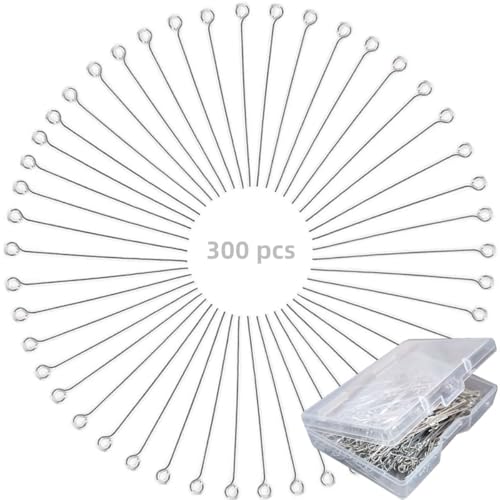
Cocoknits has a knack for designing tools that are as beautiful as they are functional. These stainless steel pins are smooth and polished, which minimizes the risk of snagging delicate fibers like silk, mohair, or high-end merino.
I recommend these for any project where the yarn is expensive or particularly prone to "halo" damage. The smooth surface glides through the stitches rather than catching on the plies, which is a common issue with cheaper, stamped-metal pins.
They are an investment, but for the knitter who spends weeks on a single lace shawl, they are worth every penny. Treat them well, and they will last you a lifetime of blocking.
Boye Plastic Head T-Pins for Easy Handling

If you find that metal T-pins hurt your fingertips after a long session, these plastic-headed versions are a much more comfortable alternative. The larger, rounded head provides a wider surface area to push against.
They are excellent for knitters with arthritis or those who struggle with fine motor tasks. The plastic heads are also very easy to see, which is a great safety feature to ensure you don’t leave any pins in your garment.
Be mindful that the plastic head can sometimes snap off if you are using a pair of pliers to pull them out of a particularly dense mat. Use a gentle, straight upward motion when removing them to keep them in top condition.
Why T-Pins Outperform Standard Sewing Pins
Standard sewing pins are designed for fabric, where the goal is to pierce through a flat surface. In knitting, we are often working with a three-dimensional, elastic structure that needs to be held under tension.
- Surface Area: T-pins provide a "stop" that prevents the pin from sliding through the knitting.
- Tension: The T-shape allows you to anchor the pin at an angle, which is essential for maintaining the stretch in a blocked piece.
- Visibility: Because they sit on top of the knitting, you are much less likely to lose a T-pin inside your project.
Using a standard sewing pin on a sweater or a heavy scarf usually results in the pin disappearing into the fabric or popping out the moment you look away. T-pins provide the structural support necessary to hold your project exactly where you want it.
Essential Tips for Blocking Small Delicate Knits
When blocking small items, the most common mistake is over-stretching. Remember that the goal of blocking is to even out the stitches and set the shape, not to stretch the piece until it is transparent.
- Check for Colorfastness: If you are blocking a project with high-contrast colors, do a test first to ensure the dye won’t bleed.
- Use the Right Mat: Use a moisture-resistant blocking mat that can handle pins without degrading over time.
- Don’t Rush: Let the piece dry completely before removing the pins; if you remove them while the fiber is still damp, the project will likely shrink back to its original shape.
Always pin from the center outward. This ensures that the tension is distributed evenly across the entire piece rather than pulling it off-center.
How to Choose the Right Pins for Your Fiber Type
The fiber you choose should dictate the pin you pick. For sturdy, wool-based yarns that can handle a bit of tension, a heavy-duty steel T-pin is your best friend.
- Silk or Mohair: Use the finest, smoothest pins you can find to avoid snagging the delicate filaments.
- Superwash Wool: Use stainless steel to avoid any potential rust issues, as these fibers often hold more water.
- Cotton or Linen: These fibers have no memory and require firm, consistent pinning to hold their shape while drying.
If you are ever in doubt, test a pin on a small swatch before using it on your finished garment. A few extra minutes of preparation will save your hard work from potential damage.
Blocking is an art form that rewards patience and the right tools. By selecting the pins that best match your project’s fiber and size, you ensure that your finished pieces look as professional as possible. Take care of your pins, keep them organized, and your blocking process will become a relaxing part of your knitting routine. Happy blocking!