6 Best Yarn Ball Winders For Large Skeins To Try
Struggling with large skeins? Discover the 6 best yarn ball winders designed for high capacity, ensuring tangle-free storage and smooth knitting sessions.
There is nothing more frustrating than a tangled, collapsing yarn cake mid-project, especially when you are working from a massive 400-gram skein of hand-dyed wool. Investing in a high-quality yarn ball winder is the single best way to protect your fiber investment and keep your tension consistent. While standard winders work for small balls, large-capacity models are essential for the serious knitter. Here are the top six winders designed to handle your largest skeins with ease.
Stanwood Needlecraft Large Metal Yarn Ball Winder


If you are a frequent user of bulky or super-bulky yarns, the Stanwood Needlecraft winder is the gold standard for durability. Unlike plastic models that can flex under the pressure of a heavy skein, this metal-geared powerhouse remains rock-solid on your table.

The large gear ratio allows you to wind massive amounts of yarn in a fraction of the time. Because the gears are metal, you don’t have to worry about the teeth stripping over time, which is a common failure point in cheaper units.
However, keep in mind that this unit is heavy and requires a sturdy surface to clamp onto. If you are winding delicate lace-weight mohair, you will need to be extra careful with your tension to avoid over-stretching the fibers.
Knit Picks Yarn Ball Winder: Best Budget Choice
For the knitter who is just starting to build their stash, the Knit Picks winder offers a perfect balance of affordability and functionality. It is lightweight, compact, and fits easily into a project bag or a small drawer when not in use.
While it isn’t designed for industrial-level output, it handles standard 100-gram skeins of worsted weight wool perfectly. It is an excellent entry point for someone transitioning from hand-winding to mechanical winding.
Be aware that because it is constructed primarily of plastic, it may struggle with very heavy, high-ply cotton yarns that create significant drag. It is best suited for wool and acrylic blends that feed smoothly through the guide.
Lacis Jumbo Yarn Ball Winder for Heavy Skeins

When you find yourself working with massive "sweater quantity" cakes, the Lacis Jumbo winder is a reliable workhorse. It features a wider base and a larger bobbin, allowing it to accommodate significantly more yardage than standard models.
This winder is particularly useful for those who buy yarn in large cones or bulk hanks. The mechanical design is robust enough to handle the weight of heavy wool without the entire unit wobbling across your table.
The main tradeoff is its footprint; it takes up considerable space. Ensure you have a dedicated craft area before committing to this model, as it is not the type of tool you want to set up and tear down daily.
Nancy’s Knit Knacks Heavy Duty Yarn Ball Winder
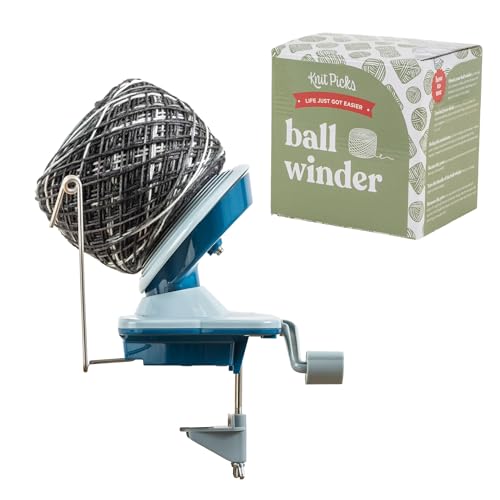
Nancy’s Knit Knacks is legendary in the fiber arts community for creating tools that last a lifetime. This winder is built for the knitter who views their equipment as an heirloom piece rather than a disposable convenience.
The precision engineering means the yarn cakes come off perfectly symmetrical every time. This is vital if you prefer to pull from the center of the cake, as a poorly wound cake will inevitably collapse into a "yarn barf" tangle halfway through.
Because this is a professional-grade tool, the price point is significantly higher than other options. Only invest in this if you are a high-volume knitter who goes through dozens of skeins a month.
ChiaoGoo Hand-Operated Yarn Winder for Beginners

ChiaoGoo is a brand synonymous with quality needles, and their winder reflects that same attention to detail. This model is exceptionally smooth, making the winding process feel almost therapeutic rather than a chore.
It is an ideal choice for beginners who are intimidated by complex machinery. The setup is intuitive, and the tension guide is easy to thread, which prevents the yarn from slipping off the bobbin while you crank the handle.
While it is excellent for standard-sized projects, it may struggle with extremely heavy-weight yarns. If you exclusively knit with jumbo-weight roving, you might find the capacity slightly limiting for your needs.
U-nitt Large Capacity Yarn Ball Winder Review

The U-nitt model is a fantastic middle-ground option for the intermediate knitter. It offers a larger capacity than budget models without the extreme price tag of professional-grade equipment.
The build quality is sturdy, and the clamp design is particularly effective at staying put on various table thicknesses. This reliability prevents the dreaded "shifting winder" syndrome that can lead to uneven cake density.
One thing to note is the noise level; it is slightly louder than more expensive, precision-machined models. If you enjoy listening to audiobooks while you wind, you might want to keep that in mind.
How to Properly Use a Yarn Winder for Best Results
Always use a yarn swift in conjunction with your winder to prevent tangles. Never attempt to wind a hank directly from a pile on the floor, as the twist in the yarn will cause it to knot instantly.
Maintain a steady, consistent speed while cranking the handle. If you wind too fast, you risk creating a cake that is too tight, which can stretch out the elasticity of natural fibers like wool and alpaca.
Finally, let your yarn "rest" for a few hours after winding before you begin knitting. This allows the fibers to relax from the tension of the winding process, ensuring your gauge remains accurate.
Why Large Capacity Winders Matter for Big Skeins
Small winders are fine for fingering-weight socks, but they fail miserably when you try to cram a 200-gram skein of Aran-weight wool onto them. The cake becomes unstable, often bulging at the bottom and sliding off the spindle.
A large-capacity winder provides a wider base and a taller spindle to support the weight of the fiber. This prevents the cake from becoming top-heavy and collapsing, which saves you from losing hours of time untangling knots.
For those knitting large garments like blankets or sweaters, being able to wind a full skein into one single cake is a game-changer. It allows you to work continuously without having to join new balls mid-row.
Key Features to Consider When Buying Your Winder
When shopping, look closely at the gear material and the base stability. Metal gears are almost always superior to plastic for long-term use, especially if you plan on winding heavy, high-friction yarns like cotton or linen.
Check the clamp size to ensure it will fit your desk or table. A winder that doesn’t clamp securely will vibrate, leading to uneven cakes and potential damage to your yarn.
Consider the tension guide mechanism. A good guide should be adjustable, allowing you to control how tightly the yarn is wrapped onto the spindle based on the fiber’s natural elasticity.
Troubleshooting Common Yarn Winder Tension Issues
If your yarn keeps slipping off the spindle, your tension is likely too loose. Try holding the yarn strand slightly taut with your hand as it feeds into the guide to increase the density of the cake.
If the yarn is winding too tightly, you might be cranking the handle too fast or the tension guide might be set incorrectly. For delicate fibers like silk or cashmere, err on the side of a looser wind to avoid damaging the yarn structure.
If the winder is making a grinding noise, check the gears for stray fibers or dust. Keeping your winder clean and lightly lubricated will extend its life and ensure a smooth, tangle-free winding experience for years to come.
Choosing the right yarn ball winder is about balancing your current project needs with your long-term knitting habits. Whether you opt for a budget-friendly plastic model or an investment-grade metal unit, the goal is always to protect your fiber and simplify your workflow. Take your time, consider your most common yarn weights, and your hands will thank you when you reach that final stitch. Happy knitting, and may your yarn cakes always pull from the center without a single tangle.