7 Best Mordants For Natural Fiber Preparation
Unlock vibrant, lasting colors with our guide to the 7 best mordants. Learn how these essential agents bond natural dyes to fibers for professional results.
Natural dyeing is the secret bridge between a simple ball of undyed yarn and a bespoke, one-of-a-kind garment that reflects your personal aesthetic. Mordants are the chemical anchors that ensure your hard-won colors don’t wash out after the first soak of your finished sweater. Choosing the right mordant is just as critical as selecting the perfect needle size for a delicate lace project. Mastering these seven essentials will give you the confidence to turn raw wool or cotton into a vibrant, colorfast masterpiece.
Aluminum Potassium Sulfate: The Essential Mordant


Aluminum potassium sulfate, or potash alum, is the gold standard for beginners and pros alike. It is the most reliable, accessible mordant for protein fibers like wool, alpaca, and mohair.
Think of alum as your "foundation" layer, much like choosing the right base wool for a heirloom cable-knit sweater. It provides a clear, bright canvas that allows the true hue of your natural dye to shine through without muddiness.
If you are just starting your dyeing journey, don’t overcomplicate things with exotic chemicals. Alum is safe, predictable, and produces the most consistent lightfastness for your hand-dyed yarns.
Tannin-Rich Gallnut Powder for Protein Fibers
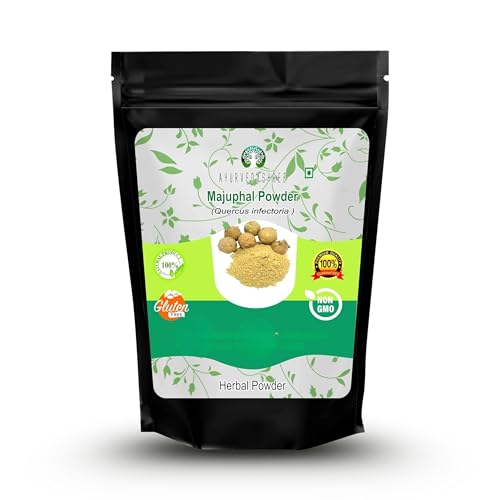
Protein fibers like wool sometimes need a little extra help to hold onto color, especially when using lighter dye materials. Tannins act as a bridge, bonding the fiber to the mordant and ensuring a deeper saturation.
Gallnut powder is an incredibly potent source of natural tannin. When you are planning a project that requires high-contrast, saturated colors—like a stranded colorwork yoke—tannins are your best friend.
Using gallnuts before your alum bath can significantly increase the "grab" of your dye. It’s the difference between a pale, washed-out pink and a rich, dusty rose that will look stunning in your finished socks.
Iron Sulfate for Deepening and Shifting Colors

Iron is the "transformer" of the natural dyeing world. Adding a small amount of iron sulfate to your dyepot will instantly shift your colors toward darker, earthier, or more muted tones.
If you have a batch of bright yellow yarn that feels too neon for your taste, a quick iron dip will shift it into a sophisticated, muted olive green. It is perfect for creating the moody, tonal palettes often seen in modern, minimalist knitwear.
Be careful, though: iron can make fibers brittle if used in excess. Treat it like a delicate lace pattern—a little bit goes a long way, and precision is key to maintaining the structural integrity of your yarn.
Copper Sulfate for Enhancing Greens and Teals

Copper is the secret weapon for knitters who crave those elusive, deep botanical greens and rich teals. It acts as a color modifier that brings out the cool undertones in many plant-based dyes.
While iron shifts colors toward the dark and moody, copper pushes them toward the vibrant and jewel-toned. It’s an excellent choice if you’re dyeing yarn for a shawl that needs to pop against a neutral winter coat.
Always remember that copper is a heavy metal and requires careful handling. Use it sparingly to avoid over-saturating the fiber, which can sometimes lead to a "hard" or slightly stiff feel in the final knitted fabric.
Tin Dichloride for Brightening Natural Dyes

Tin is the "high-saturation" specialist of the mordant world. It has a unique ability to make colors appear much brighter and more vibrant than they would look with alum alone.
If you are working with cochineal or madder root and want a brilliant, fire-engine red rather than a brick orange, tin is your go-to. It breathes life into colors that might otherwise appear dull or flat.
Use it cautiously, as tin can make wool fibers feel slightly harsh if the concentration is too high. It’s best reserved for projects where color intensity is the absolute priority over soft hand-feel.
Potassium Bitartrate for Softening Fiber Texture

Better known as cream of tartar, this is the secret to keeping your hand-dyed yarn soft and supple. It acts as a leveling agent that helps the mordant deposit evenly across the fiber.
If you’ve ever knitted with yarn that felt "grabby" or dry, it might have been improperly mordanted. Adding cream of tartar to your alum bath ensures the mordant doesn’t clump, keeping the scales of the wool fiber smooth.
Think of it as the conditioner in your dyeing process. It preserves the natural elasticity of the wool, ensuring your stitches remain bouncy and your fabric retains its beautiful drape.
Alum Acetate for Superior Cellulose Mordanting
Cellulose fibers like cotton, linen, and bamboo are notoriously difficult to dye because they lack the protein structure that wool has. Alum acetate is specifically designed to overcome this hurdle.
Unlike regular alum, alum acetate bonds much more effectively to plant-based fibers. If you are knitting a summer top out of cotton, this is the only mordant that will give you a truly colorfast result.
It can be a bit more expensive and harder to find, but it is worth the investment. Without it, your beautiful cotton lace will likely fade to a dull grey after just a few trips through the wash.
Understanding Mordant Safety and Handling Basics
Treat your mordants with the same respect you would give your sharpest circular needles or your most expensive scissors. Always wear gloves, a dust mask when handling powders, and dedicate your dyeing equipment to that purpose only.
Never use your kitchen pots for mordanting, even if the label says the product is "food grade." Cross-contamination is a real risk that you don’t want to bring into your food preparation space.
Proper ventilation is non-negotiable. Whether you are in a garage or a dedicated craft room, keep the air moving to avoid inhaling any fine particles or steam.
Preparing Your Fiber for Optimal Color Uptake
Before you even think about mordants, you must scour your fiber. This means washing it thoroughly to remove the "spinning oils" or "mill finish" that prevents dye from penetrating the yarn.
If you skip the scouring step, your dye will sit on the surface of the fiber like a temporary stain. It will look vibrant in the pot, but the first time you block your finished sweater, the color will bleed right out.
A simple bath with neutral soap and warm water is usually enough. Your goal is to get the fiber "thirsty" so it can drink up every drop of color you offer it.
Troubleshooting Common Natural Dyeing Challenges
If your colors are coming out patchy, it’s usually a sign of poor movement in the pot. Just like you need to rotate your needles to keep tension even, you must gently stir your yarn to ensure the mordant hits every inch of the fiber.
If the color is too light, don’t assume the dye is bad; check your mordant ratio. Sometimes the fiber just needs a longer soak or a higher concentration of alum to really lock in the pigment.
Don’t be discouraged by "failed" experiments. In knitting, we call it a "frogged" project; in dyeing, we call it a "learning batch." Every uneven skein is just a lesson that brings you closer to the perfect result.
Natural dyeing is an art form that rewards patience, precision, and a bit of scientific curiosity. By choosing the right mordants and preparing your fibers with care, you elevate your knitting from a simple craft to a complete, end-to-end creative process. Embrace the variations inherent in natural materials, and enjoy the process of creating colors that are as unique as the stitches you cast on. Your hand-dyed projects will carry a depth and story that no mass-produced yarn could ever replicate.