6 Best Yarn Scissors For Precision Cutting To Use
Find your perfect pair with our guide to the 6 best yarn scissors. Discover top picks for precision cutting, durability, and comfort for every knit project.
Every knitter knows the frustration of a dull blade snagging on a delicate strand of hand-dyed merino. A clean, crisp cut is the difference between a seamless color change and a frayed, messy join. Investing in high-quality scissors transforms your finishing work from a chore into a satisfying final step. Here are the tools that actually hold their edge when you are deep into a complex project.
Gingher 4-Inch Featherweight Embroidery Scissors


These scissors are a classic for a reason, offering a lightweight feel that prevents hand fatigue during long finishing sessions. The knife-edge grind allows them to glide through even the fluffiest mohair or high-twist sock yarn without a hitch.
Because they are so light, they don’t weigh down your notions pouch, making them the perfect companion for travel knitting. However, the delicate tips require care; they are precision instruments, not utility shears for cutting paper or heavy twine.
If you value a traditional, reliable tool that feels like an extension of your hand, these are an excellent choice. Bottom line: Keep them strictly for yarn to maintain that signature Gingher sharpness.
LDH Scissors Midnight Edition Thread Snips
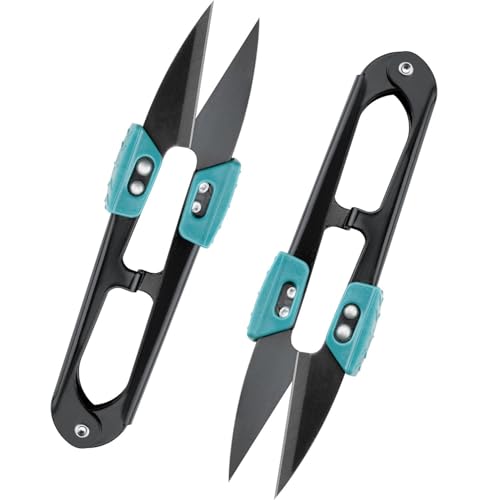
The matte black finish on these snips isn’t just for aesthetics; it provides a non-slip grip that is incredibly helpful when your hands are tired after a day of knitting. These are designed for heavy-duty detail work, handling everything from slippery silk blends to sturdy, rustic wools with ease.
The spring-loaded action is the real star here, as it reduces the strain on your thumb and fingers. This is a game-changer if you have arthritis or simply find traditional scissor handles uncomfortable during repetitive tasks like weaving in ends.
While the spring mechanism is fantastic, it does take a little getting used to if you are accustomed to standard finger loops. Bottom line: These are the best choice for knitters who prioritize ergonomic comfort during intensive finishing.
Havel’s Sewing 4.5-Inch Precision Snip Scissors

Havel’s has built a reputation on their exceptionally sharp blades, and these snips are no exception. They feature a unique serrated edge that grabs the yarn, preventing it from sliding away right as you go to make the cut.
This "grabbing" action is particularly useful when you are working with slippery fibers like bamboo or silk-blend yarns. You won’t find yourself "chasing" the yarn around with the blades, which saves you time and prevents accidental snips to your finished fabric.
Be aware that the serrated edge can sometimes leave a slightly rougher end on very bulky, single-ply yarns. Bottom line: If you struggle with yarn slipping out of your blades, the serrated edge here is your solution.
Westcott Titanium Bonded Micro Tip Scissors

Titanium bonding makes these blades three times harder than stainless steel, meaning they stay sharp through years of heavy use. The micro-tip is incredibly fine, allowing you to get right up against a knot or a color change to trim an end perfectly flush.
These are remarkably durable, standing up to the occasional accidental cut of a stitch marker or a stray piece of plastic. They offer a great balance between professional-grade precision and everyday utility.
While they are robust, they lack the "prestige" feel of forged steel scissors, but they certainly don’t lack in performance. Bottom line: These are the workhorses of the knitting world, perfect for the knitter who wants a tool that won’t quit.
Fiskars 5-Inch Micro-Tip Easy Action Scissors

Fiskars is a household name for a reason, and their "Easy Action" spring-loaded design is a favorite among knitters who value efficiency. The blades are long enough to provide good leverage, yet the tips are fine enough for delicate detail work.
The handle design is generous, accommodating larger fingers comfortably without feeling bulky. This makes them a great "all-rounder" if you use the same pair of scissors for both knitting finishing and general craft projects.
Because they are slightly larger than typical embroidery snips, they might feel a bit cumbersome in a very small notions bag. Bottom line: A reliable, ergonomic choice that offers excellent control for all types of yarn weights.
Singer ProSeries Detail Scissors for Knitting

These scissors are specifically engineered for the precision required in garment construction and intricate knitting finishing. The blades are thin and tapered, allowing you to maneuver into tight spaces like the inside of a sleeve or the corner of a gusset.
They are forged from high-quality steel, providing a satisfying "snip" sound and feel that tells you the blade is doing its job properly. They strike a nice balance between weight and maneuverability, feeling substantial without being heavy.
Take care to store these in a sheath; the points are extremely sharp and can easily poke through a project bag. Bottom line: A professional-grade tool that excels at the fine, detailed work required for high-end garment finishing.
How to Choose the Best Scissors for Yarn Crafting
Choosing the right scissors starts with understanding your own knitting habits and the fibers you use most often. If you exclusively knit with rustic, sticky wool, a standard sharp blade works perfectly; if you love slippery, high-twist synthetics, a serrated blade is your best friend.
Consider the ergonomics of your hand as well. If you have any history of hand strain, prioritize spring-loaded snips over traditional finger-loop scissors to minimize repetitive stress.
- Blade Length: Shorter is better for precision; longer is better for cutting multiple strands at once.
- Blade Material: Stainless steel is standard, but titanium bonding offers superior longevity.
- Handle Design: Look for soft-grip coatings or spring-loaded mechanisms for comfort.
Bottom line: Your scissors should match the scale of your project; don’t use large shears for delicate lace work.
Why Precision Blades Matter for Clean Yarn Cuts
A dull blade doesn’t actually cut the yarn; it crushes the fibers, which causes them to fray and pill before you’ve even finished weaving in your ends. This is especially problematic with multi-ply yarns, where a bad cut can cause the plies to separate and unravel.
Precision blades ensure that every single fiber is sliced cleanly. This leads to a much more secure weave-in, as the yarn end isn’t already compromised or weakened by the cutting process.
When you invest in precision, you are essentially protecting the integrity of your hard work. Bottom line: A clean cut is the foundation of a professional-looking finish.
Essential Maintenance Tips for Your Yarn Scissors
Even the best scissors will eventually dull if they are neglected or used on inappropriate materials. The golden rule is simple: never use your yarn scissors to cut paper, plastic, or wire.
Paper contains clay and fillers that act like sandpaper on fine steel blades, dulling them almost instantly. If you find your scissors getting sticky, clean the blades with a soft cloth and a drop of rubbing alcohol to remove any residual lanolin or fiber dust.
- Wipe down: Clean the blades after a long session to remove skin oils.
- Oil the pivot: A tiny drop of sewing machine oil in the screw pivot keeps the action smooth.
- Check the tension: Ensure the screw is tight enough to hold the blades together, but loose enough to move freely.
Bottom line: Treat your scissors as a precision tool, and they will serve you for decades.
Proper Storage to Keep Your Knitting Tools Sharp
Storing your scissors loose in a project bag is the fastest way to ruin their alignment and dull their tips. Always use a dedicated sheath, preferably one made of leather or thick felt, to protect the blades from clashing with your needles or metal stitch markers.
If you carry your tools in a crowded bag, consider a hard-sided notions case to prevent the scissors from being crushed or bent. A bent blade will never cut properly again, regardless of how sharp the edge might be.
Keep them in a dry environment to prevent rust, especially if you live in a humid climate. Bottom line: A good protective sheath is the cheapest insurance policy for your favorite pair of scissors.
Finding the perfect pair of scissors is a deeply personal part of the knitting journey that often gets overlooked. By choosing a tool that fits your hand and matches your fiber preferences, you elevate the quality of your finished items significantly. Treat your blades with respect, keep them away from paper, and enjoy the satisfaction of a perfect snip every time. Happy knitting, and may your ends always be perfectly trimmed.