
7 Best Wool Washes For Felted Items To Preserve Quality
Keep your felted wool items in top shape. We review the 7 best gentle washes to clean fibers effectively while preserving their texture and overall quality.
Felted wool projects are a labor of love, requiring patience and precise manipulation to achieve that dense, durable fabric we all admire. Because felting permanently alters the structure of the wool fibers, using a harsh detergent can strip away the natural lanolin that keeps the piece supple. Choosing the right wash is the difference between a heirloom-quality accessory and a stiff, brittle mess. Here are the seven best wool washes to ensure your felted items remain soft, vibrant, and structurally sound for years to come.
Eucalan Delicate Wash: The Best Overall Choice
Eucalan is the gold standard for a reason: it is a no-rinse formula that simplifies the post-wash process significantly. For felted items, which can become heavy and cumbersome when saturated, skipping the rinse cycle minimizes unnecessary agitation.
The inclusion of lanolin in the formula is a major win for fiber health. It replenishes the natural oils that are often lost during the aggressive friction required to create felt, keeping the fibers flexible rather than prone to snapping.
I recommend this for those who want a reliable, "set it and forget it" solution. It is gentle enough for delicate needle-felted sculptures yet effective enough for heavy-duty felted bags or slippers.
Soak Wash: Gentle Care for Felted Wool Items
Soak Wash is designed for those who want a clean finish without the lingering, heavy scent of traditional detergents. It is remarkably efficient at removing dust and skin oils, which is vital if you are washing a felted hat or scarf that sits directly against your skin.
The main advantage here is the low-sudsing formula. When you are working with a dense felted object, getting soap suds out from the inner layers can be a nightmare; Soak eliminates this struggle entirely.
While it lacks the added lanolin found in some other options, it is incredibly pH-balanced. If you are washing a piece that has been dyed with delicate natural pigments, this is a safe bet to prevent color bleeding.
Kookaburra Wool Wash: Best for Sensitive Skin


Kookaburra is a tea-tree oil-based wash that offers a unique, natural approach to fiber care. It is an excellent choice if you find that synthetic fragrances trigger your allergies or if you are washing items for someone with very sensitive skin.
Beyond its hypoallergenic properties, the tea-tree oil acts as a natural deodorizer and moth deterrent. This is particularly useful for felted wool items that are stored away during the warmer months.
The trade-off is the distinct, medicinal scent, which some knitters find polarizing. If you prefer your knitwear to smell like fresh laundry, this might not be your first choice, but for fiber longevity, it is top-tier.
Unicorn Fibre Wash: Superior Fiber Protection
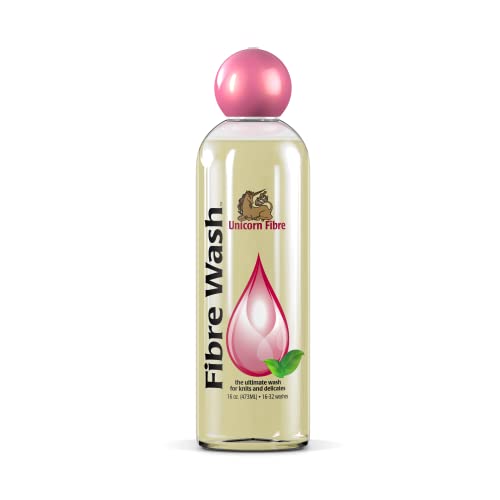
Unicorn Fibre Wash is a professional-grade product that focuses on removing grime without damaging the microscopic scales of the wool fiber. It is highly concentrated, meaning a single bottle will last you through dozens of deep-cleaning sessions.
This wash is particularly effective at "scouring" wool, meaning it lifts dirt away from the fiber surface rather than just masking it. If you have a felted item that has seen a lot of wear, this is the most effective way to restore its original luster.
Because it is so potent, you must be careful with your measurements. A little goes a long way, and over-soaping can actually make your felted project feel tacky if not rinsed thoroughly.
Outback Gold Wool Wash: Best Natural Formula

Outback Gold leans heavily into the natural properties of eucalyptus and lanolin. It feels traditional and wholesome, which aligns perfectly with the tactile, organic nature of working with raw wool.
The eucalyptus oil content provides a mild, refreshing scent that is not overpowering. It also serves as a natural repellent against pests, which is a massive bonus for those of us who have dealt with the heartbreak of moth damage.
This is my go-to for heavy-duty felted projects like slippers or thick wool blankets. It leaves the fibers feeling plump and resilient, effectively "re-energizing" the wool after it has been compressed through the felting process.
The Laundress Wool & Cashmere: Premium Option
The Laundress offers a more sophisticated, boutique experience for your fiber care. It is formulated specifically to handle high-end fibers, making it an excellent choice for felted items that incorporate luxury blends like cashmere or angora.
The scent profile is much more refined than standard wool washes, leaning into cedar and sandalwood notes. If you are washing a felted garment that you intend to wear for a special occasion, this adds a touch of luxury to the maintenance process.
It is, however, the most expensive option on this list. Use this for your "precious" projects rather than your everyday felted coasters or utility items.
Mrs. Meyer’s Clean Day: Best Scented Wash

Mrs. Meyer’s is widely accessible and brings a range of beautiful, garden-inspired scents to your laundry room. While not exclusively a "wool wash," their gentle formulas are safe for most animal fibers when used in moderation.
The benefit here is the variety of scents, such as honeysuckle or basil. If you find the smell of standard wool soaps too clinical, this provides a much more pleasant sensory experience.
Be aware that these are not specifically pH-balanced for wool in the same way the boutique brands are. Always use a very small amount, and never pour the soap directly onto your project to avoid potential spotting.
Why Felted Wool Requires Specialized Cleaning
Felting is the process of using heat, moisture, and agitation to lock wool fibers together into a dense, non-woven fabric. Once the scales of the wool fibers have hooked together, they are essentially "locked" in place, creating a surface that is much less porous than traditional knit fabric.
Standard laundry detergents often contain enzymes designed to break down proteins, which is exactly what wool is made of. Using the wrong soap can cause the fibers to become brittle, leading to shedding or even holes in your carefully crafted project.
Furthermore, felted items are prone to holding onto water. Using a wash that doesn’t rinse well or requires excessive agitation will cause the item to stretch or warp during the drying process, ruining the shape you worked so hard to achieve.
How to Properly Soak Your Felted Wool Projects
Always start by filling your basin with lukewarm water before adding your chosen wool wash. Stir the water to ensure the soap is fully dissolved, then gently submerge your felted item, pressing it down until it is fully saturated.
Never wring or twist a felted project, as this can cause uneven stretching or stress the fibers. Instead, let it soak for 15 to 20 minutes, allowing the soap to lift dirt and debris without the need for manual scrubbing.
When it is time to remove the item, support the entire weight of the piece with your hands as you lift it from the basin. This prevents the heavy, water-logged wool from pulling out of shape under its own weight.
Essential Tips for Drying Felted Wool Safely
The golden rule of drying felted wool is to keep it flat and out of direct sunlight. Sunlight can fade the colors and make the wool fibers feel harsh, while hanging a wet felted item will almost certainly cause it to sag and distort.
Use a thick towel to "burrito" your project; lay the item on the towel and roll it up tightly to squeeze out the excess moisture. You can even step on the towel roll gently to encourage more water absorption before laying the item flat to air dry.
Finally, ensure your drying surface has good airflow underneath. A sweater rack or a mesh drying screen is ideal, as it allows air to circulate through both sides of the felted fabric, preventing any musty odors from developing during the drying process.

Caring for your felted wool projects is just as important as the initial construction process. By selecting a high-quality wool wash that respects the integrity of the fibers, you ensure that your hard work remains in pristine condition. Remember to take your time during the soaking and drying phases to maintain the shape and softness of your pieces. With these tools and techniques, your felted items will continue to be a source of joy and comfort for years to come.
