6 Best Wool Rovings for Wet Felting Techniques
Discover the top six wool rovings for wet felting. This guide evaluates fiber texture and shrinkage rates to help you achieve professional, durable results.
Wet felting is a transformative process that turns loose, ethereal fibers into dense, durable fabrics through the magic of friction and moisture. Choosing the right wool roving is the single most important decision you will make before you begin your first layout. While the process may seem simple, the specific characteristics of your fiber dictate how quickly your project felts and how it behaves under pressure. This guide will help you navigate the vast world of wool to ensure your next wet felting project is a success.
Living Felt New Zealand Corriedale: Best Overall
Living Felt New Zealand Corriedale is the gold standard for many felters because it sits perfectly in the middle of the fiber spectrum. It offers enough crimp to lock together quickly, yet it remains soft enough to use for wearable accessories like scarves or hats.
When you are working on a project that requires structural integrity, this wool is your best friend. It doesn’t shrink away into nothingness, and it provides a consistent, reliable surface that holds its shape beautifully once the felting process is complete.
The tradeoff here is that it isn’t the absolute finest fiber available, so it may not be suitable for items worn directly against sensitive skin. However, for most general felting applications, its versatility makes it the most practical choice in your stash.
Ashford Corriedale Wool Sliver: Best for Beginners


If you are just starting out, you need a fiber that is forgiving and easy to manipulate. Ashford Corriedale comes in a sliver form that is incredibly easy to draft, meaning you can pull off consistent, even tufts without fighting the fiber.
Beginners often struggle with "thin spots" in their layout, which can lead to holes or weak patches after fulling. This wool is consistent enough that it helps you build a uniform foundation, which is essential when you are still learning to gauge your fiber density.
Because it is widely available and reasonably priced, you won’t feel precious about "wasting" it while you practice your technique. It is the perfect training wheel fiber for mastering the basics of layout and agitation.
World of Wool Merino Top: Best for Fine Detail Work
When you move into complex projects like felted portraits or intricate surface design, you need a fiber that can be manipulated with precision. World of Wool Merino Top is exceptionally fine, allowing you to lay down tiny wisps of color to create painterly effects.
Because the fibers are so fine, they migrate and interlock almost instantly when agitated. This makes it ideal for needle felting details onto a wet-felted base, or for creating delicate, thin layers that won’t add unnecessary bulk to your work.
Be aware that because it is so fine, it can be prone to "over-felting" if you aren’t careful. Keep a close eye on your progress, as this fiber will shrink significantly more than a coarser wool like Corriedale.
DHG Dyed Merino Wool Tops: Best Color Selection
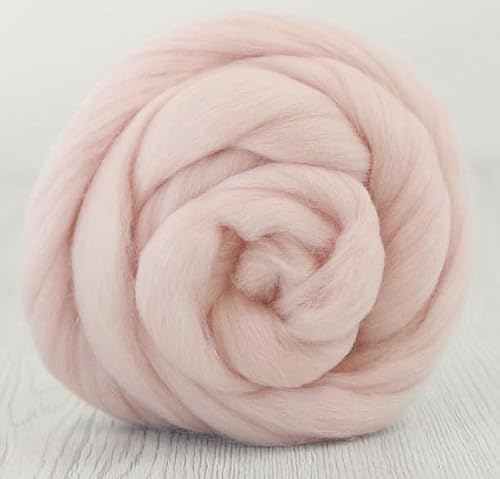
Color is the soul of a project, and sometimes you need a specific shade that standard suppliers don’t carry. DHG (Dyeing House Gallery) offers an incredible palette that is vibrant, consistent, and colorfast, making it the go-to for artists who prioritize aesthetics.
Beyond the color, the quality of the top is superb, with a long staple length that makes it easy to work with. It behaves predictably, which is a relief when you are planning a multi-colored piece and need to ensure each section felts at the same rate.
The only downside is that imported high-end wool can be a bit more expensive than local options. If you are working on a large-scale project, factor this into your budget before you commit to a complex color scheme.
Paradise Fibers Gotland Wool: Best for Texture
If you want your project to have a rustic, organic look, Gotland wool is a fantastic departure from the standard Merino or Corriedale. It has a beautiful, natural luster and a slightly coarser hand that results in a more "structural" felt.
This fiber is excellent for items that need to withstand heavy use, such as bags or slippers. It felts into a very dense, sturdy fabric that retains a bit of the wool’s natural character, giving your finished piece a professional, handmade aesthetic.
Don’t expect the softness of Merino here; this is a workhorse fiber. It is best used for projects where durability and texture are more important than next-to-skin comfort.
Felted Sky Australian Merino: Best for Sculpting
When you are felting 3D objects, you need a fiber that can hold a shape against the forces of agitation. Felted Sky Australian Merino is dense and responsive, making it ideal for sculptural pieces that need to maintain specific curves and angles.
The fiber is processed to be very clean, which means you spend less time picking out vegetable matter and more time shaping your piece. It has just enough "spring" to allow you to mold the felt while it is still damp, which is a crucial step in 3D wet felting.
This is a premium fiber, so I recommend reserving it for projects where the structure is the primary focus. It is a joy to work with, but you will notice the difference in quality immediately compared to bulk-buy rovings.
How to Evaluate Micron Count for Wet Felting
The micron count refers to the diameter of the individual wool fibers, measured in micrometers. A lower number, such as 18-21 microns, indicates a very fine, soft wool, while higher numbers indicate coarser, more durable fibers.
For wearables, aim for 21-23 microns to balance softness and durability. If you are making a rug or a heavy-duty bag, you can move up to 27-30+ microns, as these fibers will interlock to create a much tougher, more abrasion-resistant surface.
Always check the label or the product description for this number. If you are unsure, do a small "test swatch" to see how the fiber shrinks and feels before committing to a large project.
Essential Tools for Successful Wet Felting
You don’t need a massive investment to get started, but a few key tools will make your life much easier. A high-quality bubble wrap or bamboo mat is essential for providing the friction needed to move the fibers without distorting your layout.

An olive oil-based soap or a dedicated felting soap is better than harsh detergents, which can strip the natural lanolin from the wool. You will also need a spray bottle for your soap-water solution and a towel to manage the excess moisture.
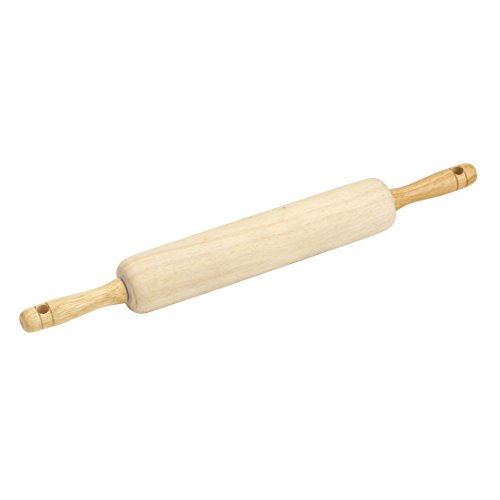
Finally, consider a rolling pin or a pool noodle to help you roll your project during the fulling process. These tools allow you to apply even pressure across the entire surface, ensuring a consistent felt.
Understanding Fiber Direction in Wet Felting
The way you lay your wool is the blueprint for your final fabric. If you lay all your fibers in one direction, your felt will shrink significantly more in that direction than in the other, leading to warping and distortion.
To create a stable, balanced fabric, you must lay your wool in criss-cross layers. I recommend at least three layers: one horizontal, one vertical, and one diagonal. This ensures that the fibers interlock in every direction, resulting in a strong, non-directional fabric.
Always pay attention to the edges of your project. If you don’t overlap your fibers well at the perimeter, you will end up with thin, fraying edges that are difficult to fix after the piece has started to felt.
Troubleshooting Common Wet Felting Mistakes
The most common mistake is not using enough water or soap, which prevents the fibers from moving and interlocking correctly. If your project feels "stuck" and isn’t shrinking, add more warm, soapy water and increase your pressure.
Conversely, using too much water can make your layout "float," causing the fibers to shift out of place before they have a chance to bond. Keep your layout damp but not swimming in a puddle; it should feel like a wet sponge, not a bath.
If you find holes in your finished piece, it means your initial layout was too thin or inconsistent. You can patch these by needle felting a small amount of extra wool into the hole, but prevention is always better than cure: always check your layout against a light source before you begin wetting it down.
Wet felting is a rewarding journey that rewards patience and experimentation with every layer you lay. By understanding the unique properties of your chosen wool and mastering the basics of fiber direction, you will be able to create beautiful, long-lasting textiles. Remember that every master began with a messy, uneven swatch, so embrace the process and enjoy the tactile satisfaction of transforming loose fiber into art. Happy felting!