6 Best Shuttle Sticks For Shed Manipulation Reviewed
Master shed manipulation with our top 6 shuttle stick picks. We review durability, grip, and precision to help you weave with greater efficiency and control.
Mastering the shed is the secret to moving from a frustrated beginner to a weaver who finds a rhythmic, meditative flow in their work. A high-quality shuttle acts as a natural extension of your hand, allowing you to pass weft yarn through the warp without snagging or distortion. Choosing the right tool depends heavily on your loom’s width and the specific fiber you are manipulating. This guide breaks down the best shuttle sticks on the market to help you find your perfect match.
Schacht Spindle Company 15-Inch Stick Shuttle


The Schacht 15-inch stick shuttle is a staple in many studios for a reason: its balance is impeccable. It sits comfortably in the hand, providing enough weight to stay steady without causing fatigue during long weaving sessions.
The smooth, tapered ends are designed to glide through even the tightest shed. If you are working with sticky fibers like mohair or high-twist wools, this shuttle’s polished finish prevents the dreaded "hooking" that can ruin a clean pick.
Ultimately, this is a workhorse tool. It is durable, reliable, and perfectly sized for standard rigid heddle looms, making it an excellent investment for anyone serious about their craft.

Ashford Traditional Flat Shuttle for Weaving
Ashford’s flat shuttle is the definition of simplicity, offering a low-profile design that is incredibly forgiving. Because it is so thin, it requires very little clearance, which is a lifesaver when you are working on a loom with a limited shed height.
The wood is finished to a satin-smooth texture, ensuring it won’t catch on delicate warp threads. I often recommend this to beginners because its lightweight construction makes it easy to control while you are still learning to manage your tension.
However, keep in mind that its light weight means it doesn’t have the "throw" of a heavier boat shuttle. It is best suited for shorter passes and slower, more deliberate weaving.
Leclerc Wooden Boat Shuttle for Shed Control
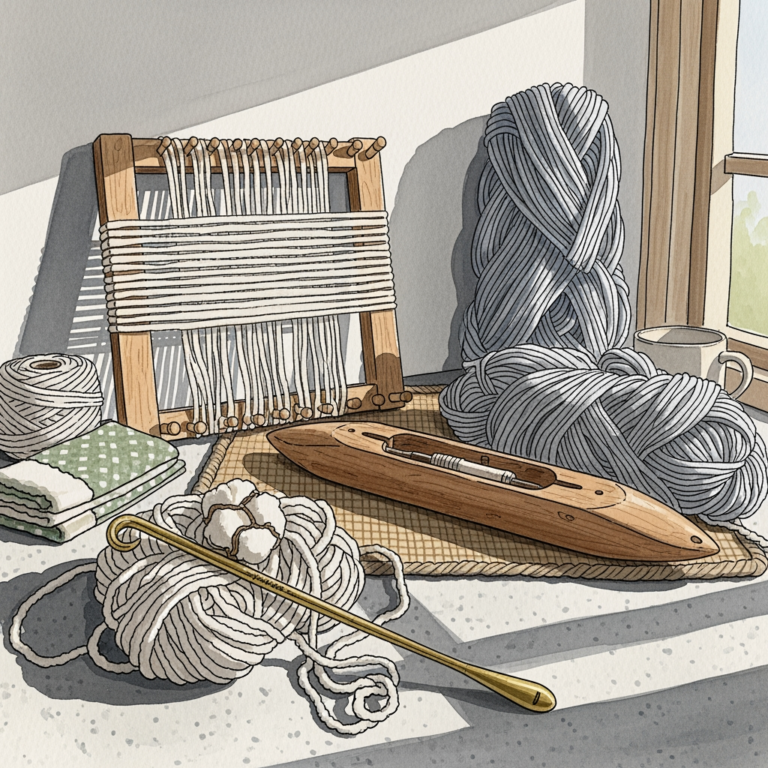
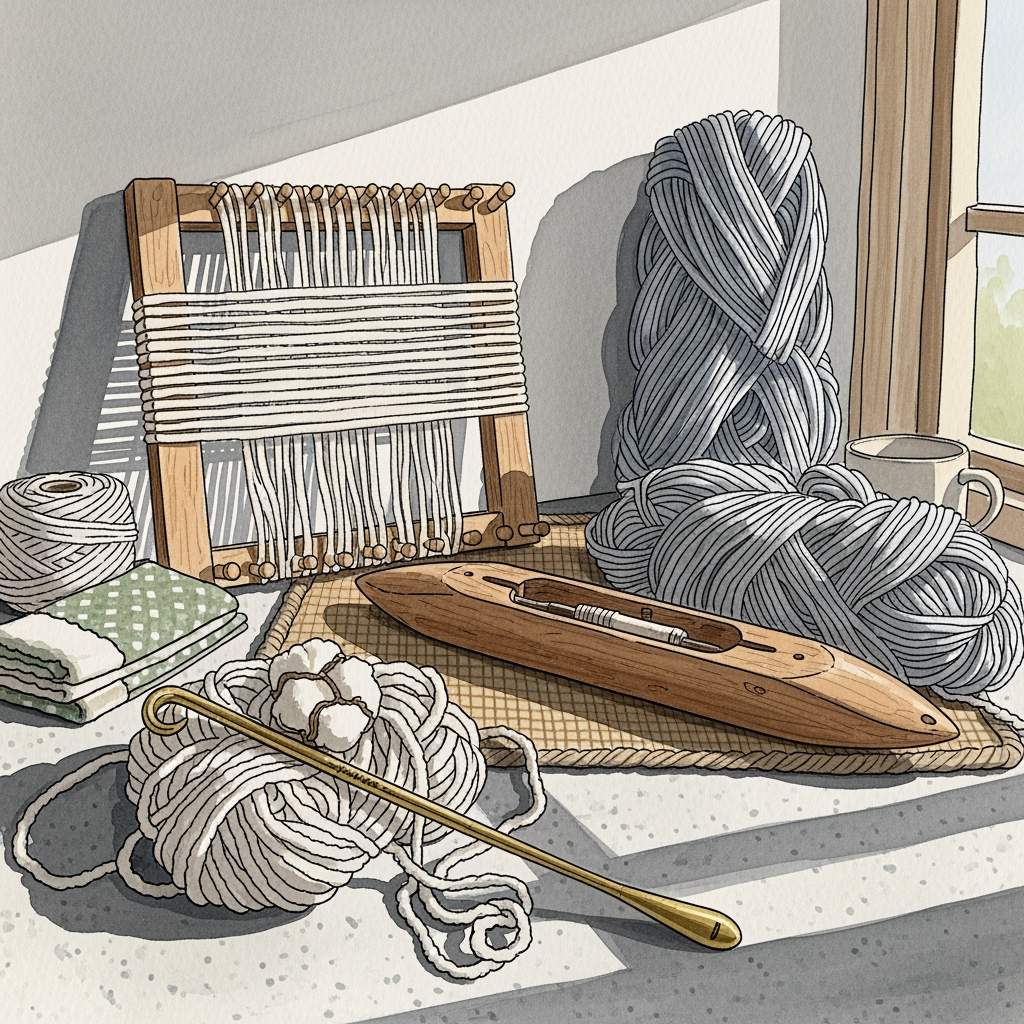
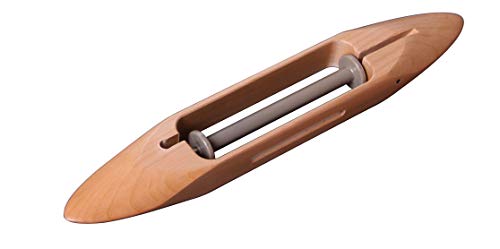
When you move up to more complex projects, a boat shuttle becomes a game-changer. The Leclerc wooden boat shuttle is designed to hold a bobbin, which allows for a much more consistent flow of yarn than a standard stick shuttle.
The ergonomic shape is designed to fit snugly in the palm, reducing hand strain during long, repetitive weaving sessions. It is particularly effective for wide projects where you need to pass the weft quickly and accurately.
The tradeoff here is the learning curve; managing a bobbin and the tensioning of the shuttle requires a bit more practice. Once you master it, though, your weaving speed and edge uniformity will improve dramatically.
Kromski 11-Inch Flat Shuttle Shed Manipulator
The Kromski 11-inch flat shuttle is a beautifully crafted, compact tool that excels in small-scale projects. If you are working on a table loom or a small rigid heddle, its shorter length prevents you from hitting the frame during the pass.
Its slender profile makes it exceptionally easy to use as a "pick-up" stick when you are adding intricate lace or textured patterns. It slides under individual warp threads with almost no resistance.
Because it is so small, you will find yourself refilling it more often for long projects. Think of this as your precision tool for decorative work rather than your primary shuttle for long-yardage blankets.
Glimakra Swedish Style Stick Shuttle Review
Glimakra is synonymous with high-end Scandinavian weaving, and their stick shuttle reflects that heritage. It is slightly thicker and more robust than other models, offering a sturdy feel that many experienced weavers prefer.
The wood choice is intentional, often featuring a density that resists warping over time. When you are working with heavy, rustic yarns, you want a tool that won’t flex under the pressure of a tight shed.
This shuttle is an investment piece. While it costs more than mass-produced alternatives, the tactile experience of using it is superior for those who appreciate the weight and balance of traditional European tools.
Harrisville Designs Hardwood Weaving Shuttle

Harrisville Designs produces tools that feel like they were made to last a lifetime. Their hardwood shuttle is exceptionally smooth, with a grain that is polished to perfection to ensure it never snags your warp.
The design is classic and functional, favoring utility over flash. It is a fantastic "all-rounder" that works well with a wide variety of fiber types, from slippery silks to textured wool blends.
If you are a weaver who values longevity and simple, effective design, this is the shuttle for you. It handles the rigors of daily use without losing its smooth finish or structural integrity.
How to Choose the Right Shuttle for Your Loom
Choosing the right shuttle starts with measuring your loom’s maximum weaving width. A good rule of thumb is to select a shuttle that is at least two inches longer than your warp width to ensure you can pass it comfortably without it slipping through the shed.
Consider the yarn you are using as well. If you are weaving with delicate, thin threads, a flat, lightweight shuttle is less likely to distort the warp. For heavy, bulky yarns, a boat shuttle or a thicker stick shuttle will hold more yardage and make the work go faster.

Ultimately, test the weight in your hand. If a shuttle feels too heavy, you will tire out after twenty minutes; if it is too light, you might struggle to get a crisp pass.
Understanding Shed Height and Shuttle Length
Shed height is the vertical space created when you raise your heddles, and it dictates what kind of shuttle you can use. A loom with a small shed height will struggle to accommodate a bulky boat shuttle, leading to broken warp threads.
If you find yourself constantly snagging threads, your shuttle might be too tall for your shed. In this case, switching to a flat stick shuttle will immediately solve the problem.
Always remember that as your project grows, the tension on your warp changes. A shuttle that worked perfectly at the start might feel different toward the end, so keep your options open and don’t be afraid to switch tools mid-project.
Maintaining Your Wooden Weaving Tools Properly
Wooden shuttles are living tools that benefit from a little bit of care. Over time, the natural oils from your hands will help keep the wood smooth, but you should occasionally buff them with a bit of beeswax or furniture wax to prevent them from drying out.
If you notice a nick or a rough spot, address it immediately with fine-grit sandpaper. Even a tiny splinter can catch on a delicate warp thread and cause a snapped end, which is a headache you don’t need.

Store your shuttles in a cool, dry place. Extreme fluctuations in humidity can cause wood to warp, which will ruin the straightness of your shuttle and make it difficult to pass through the shed smoothly.
Essential Techniques for Smooth Shed Passage
The secret to a smooth shed passage is the "angle of entry." Instead of pushing the shuttle straight through, try tilting it slightly to lead with the tapered edge; this acts as a wedge that opens the shed as you go.
Avoid "throwing" the shuttle if you are a beginner. It is much better to pass it hand-to-hand until you develop the muscle memory to flick it across the warp with consistent force.
Finally, always maintain a consistent tension on your weft yarn as it exits the shuttle. If you leave too much slack, you will get loops at the edges (known as "loops and draws"); if you pull too tight, your fabric will shrink inward.
Finding the right shuttle is a journey of trial and error, but it is one of the most rewarding adjustments you can make in your weaving practice. By matching your tool to your loom’s mechanics and your project’s specific fiber needs, you remove the friction that often hinders creative progress. Take your time, handle these tools, and listen to what your hands tell you about the balance and glide. Happy weaving, and may your sheds always be clear and your edges perfectly straight.