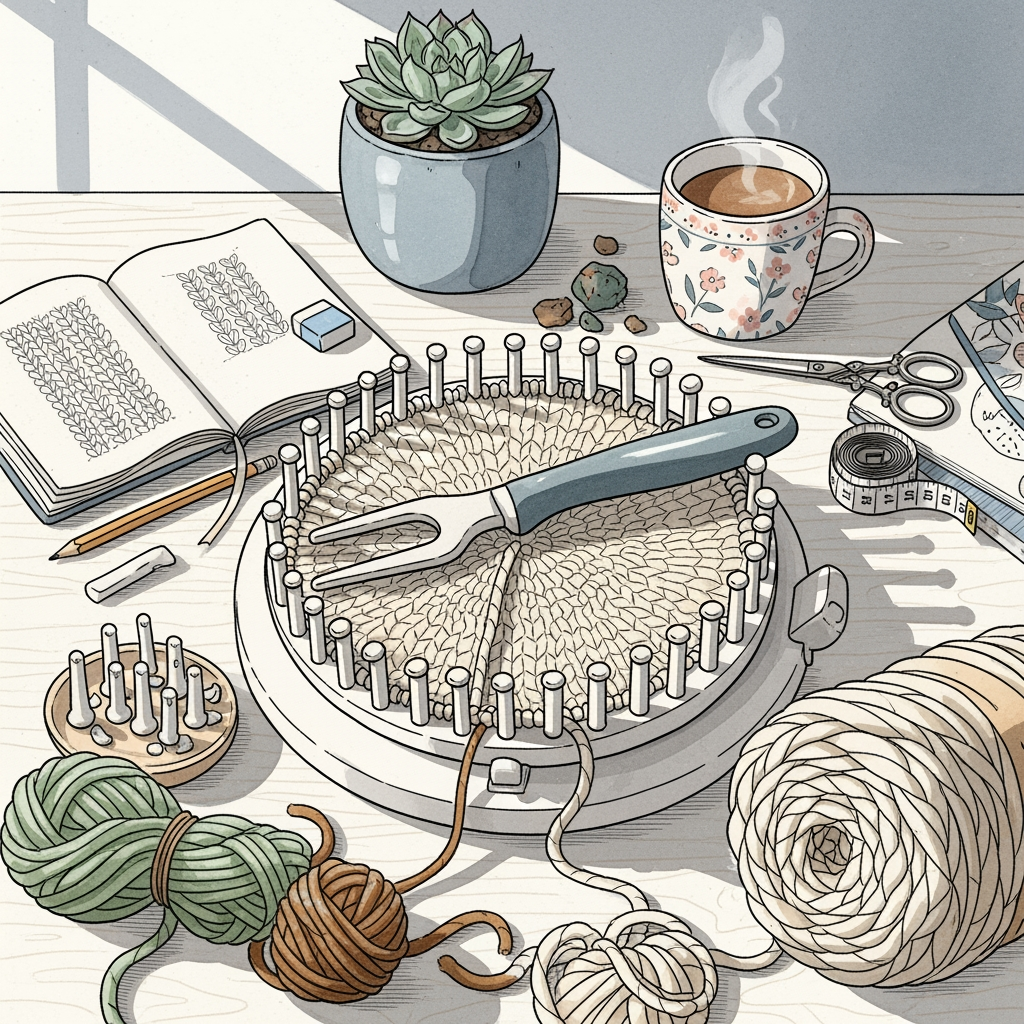
7 Best Ergonomic Loom Hooks For Preventing Hand Fatigue
Discover the 7 best ergonomic loom hooks designed to reduce hand fatigue. Learn how these comfortable tools improve your crafting precision and endurance.
Loom knitting is a rhythmic, meditative craft, but hours of repetitive motion can quickly lead to cramping and wrist strain. Finding the right tool is the difference between an enjoyable afternoon of making and having to set your project aside due to pain. A well-designed ergonomic hook acts as an extension of your hand, redistributing pressure so you can focus on your stitch pattern rather than your joints. Here are seven top-tier options that prioritize comfort and efficiency for every type of loomer.
Knitter’s Pride Ginger Ergonomic Loom Hook


The Ginger line is known for its beautiful, warm aesthetic, but its true value lies in the thoughtful shaping of the handle. It features a contoured grip that fits naturally into the palm, which is essential when you are working through a large afghan or heavy-weight yarn project.
The wood construction provides a unique, slightly grippy surface that prevents the tool from sliding out of your hand during long sessions. This is a significant advantage if you tend to have slippery hands or if you find that metal tools feel too cold or slick over time.
However, keep in mind that wood requires a bit more care than metal. While the finish is polished and smooth, it can eventually show wear if you are an extremely tight knitter who puts immense pressure on the hook shaft.
Clover Amour Ergonomic Loom Hook Set

Clover Amour hooks are widely considered the gold standard for ergonomics in the fiber arts community. The handle is made of a soft, elastomer rubber that provides a cushioned surface, absorbing the impact of each stitch as you lift the yarn over the peg.
The shape of the handle is specifically designed to be held in multiple ways, whether you are a "pencil" holder or a "knife" holder. This versatility makes them an excellent investment for beginners who are still figuring out which grip style feels most natural for their anatomy.
One minor trade-off is the material of the hook head itself, which is aluminum. While it is incredibly durable and allows for fast, slick work, it may feel a bit too frictionless if you are working with slippery synthetic yarns like acrylic or polyester.
Boye Ergonomic Aluminum Loom Hook Tool
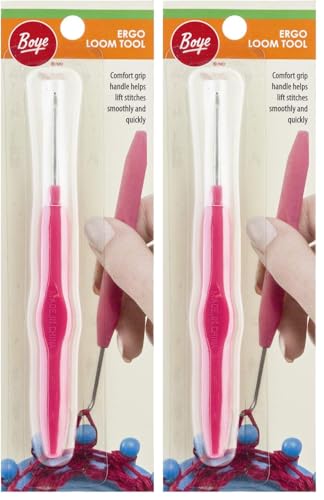
If you grew up using the standard, thin metal hooks that often come with starter kits, the Boye Ergonomic tool will feel like a massive upgrade. It features a wider, rubberized grip that adds bulk to the tool, which is crucial for reducing the "pinch" grip that causes carpal tunnel symptoms.
The hook head is designed with a deep throat, making it easier to grab the yarn without it slipping off the peg. This is particularly helpful when you are doing complex stitches like cables or e-wraps where the yarn tension is higher than usual.
Be aware that the handle is slightly shorter than some other premium hooks on this list. If you have larger hands, you might find that the end of the handle digs into your palm, which could counteract the benefits of the ergonomic grip.
Susan Bates Soft Ergonomic Loom Hook

Susan Bates is a legendary name in the industry, and their soft-grip hooks are a staple for a reason. They utilize an inline hook head, which is a design feature that helps maintain consistent tension by ensuring the yarn stays exactly where you place it.
The handle is cushioned and slightly flattened, which prevents the hook from rotating in your hand as you work. This stability is a game-changer when you are working on projects that require precise stitch placement, such as intricate lace or colorwork.
Because of the inline head, the hook shape is a bit more pointed than tapered hooks. While this is great for picking up stubborn stitches, you should be careful not to split your yarn, especially when working with loosely plied wools.
Lion Brand Ergonomic Comfort Grip Hook

This tool is designed specifically with the loom knitter in mind, often featuring a handle geometry that complements the circular or rectangular motions of loom work. The grip is thick and contoured, providing a high level of leverage that makes lifting even bulky or super-bulky yarns feel effortless.
The weight distribution is balanced toward the center of the handle, which reduces the amount of torque your wrist has to exert. This is an excellent choice for knitters who suffer from arthritis or general fatigue after just thirty minutes of work.
One thing to note is that the plastic handle can feel a bit bulky for those with smaller hands. If you find your fingers cannot comfortably wrap around the grip, you may experience more fatigue rather than less, so consider your hand size before purchasing.
Addi Swing Ergonomic Loom Hook Design

The Addi Swing is a marvel of engineering, featuring a handle that is curved to follow the natural contours of your hand. It is arguably the most "custom-fit" feeling tool on the market, as the handle is weighted to sit perfectly in your palm.
This tool is particularly effective for those who knit with a very tight gauge. Because the handle provides such excellent leverage, you can manipulate the yarn with less force, which keeps your hands relaxed even when the tension is high.
The price point is higher than most other hooks, which can be a barrier for some. However, for a dedicated loomer who spends hours every day at the loom, the cost is easily justified by the reduction in physical strain.
Prym Ergonomic Loom Hook for Comfort
Prym has taken a modern, synthetic approach to the ergonomic hook, using high-quality, lightweight plastics that are warm to the touch. The design is sleek and minimalist, focusing on a grip that is wide enough to prevent cramping without being overly cumbersome.
The hook head is polished to a high sheen, allowing it to glide through stitches with almost no resistance. This is perfect for high-speed knitting or when you are working with textured yarns that might otherwise get snagged on a rougher surface.
Because the material is lightweight, it might feel "cheap" to those who prefer the heft of a metal hook. If you prefer a tool with a bit of gravity to it, you might find yourself over-gripping this hook, which defeats the purpose of its ergonomic design.
Choosing the Right Hook for Loom Knitting
When selecting a hook, your primary consideration should be your hand size and your preferred grip style. A handle that is too thin will force your fingers to clench, while a handle that is too thick will prevent your hand from closing properly.
Consider the yarn you use most frequently. If you work primarily with sticky, natural fibers like wool, a slick metal hook is ideal. If you find your yarn is constantly slipping off the hook, a slightly more matte or wooden finish will offer the control you need.
Finally, don’t be afraid to experiment with different handle shapes. Some knitters thrive with a round, ergonomic grip, while others find that a slightly flattened, oval shape provides better feedback on where the hook is positioned in their hand.
Preventing Hand Fatigue While Loom Knitting
The most effective way to prevent fatigue is to change your posture and grip frequently during a session. Even the best ergonomic tool cannot compensate for holding the same position for three hours straight without a break.
Incorporate simple hand stretches into your routine every thirty minutes. Gently pulling back on your fingers and rotating your wrists can release the tension that builds up during repetitive movements, keeping your tendons supple and pain-free.
Pay attention to your tension as well. Many knitters instinctively tighten their grip when they are tired, which creates a vicious cycle of pain; if you feel yourself squeezing the hook, take a deep breath and consciously loosen your hold.
Best Ergonomic Practices for Loom Crafters
Ergonomics is about more than just the tool; it is about your entire workspace. Ensure your elbows are supported at a 90-degree angle and that your loom is positioned at a height that allows your shoulders to remain relaxed and down.
Good lighting is an overlooked ergonomic factor. When you can see your stitches clearly, you stop leaning in and hunching your shoulders, which relieves the strain on your neck and upper back that often radiates down into your hands.
Lastly, listen to your body. If you feel a dull ache or tingling sensation, that is a clear signal to stop and rest. Pushing through pain is the fastest way to develop a chronic injury that could keep you away from your loom for weeks.
Investing in an ergonomic hook is one of the smartest decisions you can make for the longevity of your crafting life. By choosing a tool that supports your unique grip and hand anatomy, you can effectively minimize the strain that often accompanies long knitting sessions. Remember to pair your new tool with regular breaks and mindful posture to keep your hands healthy and happy. Happy looming, and may your stitches always be even and your hands always be pain-free.